Sydney Fashion Is Entering a More Selective Era
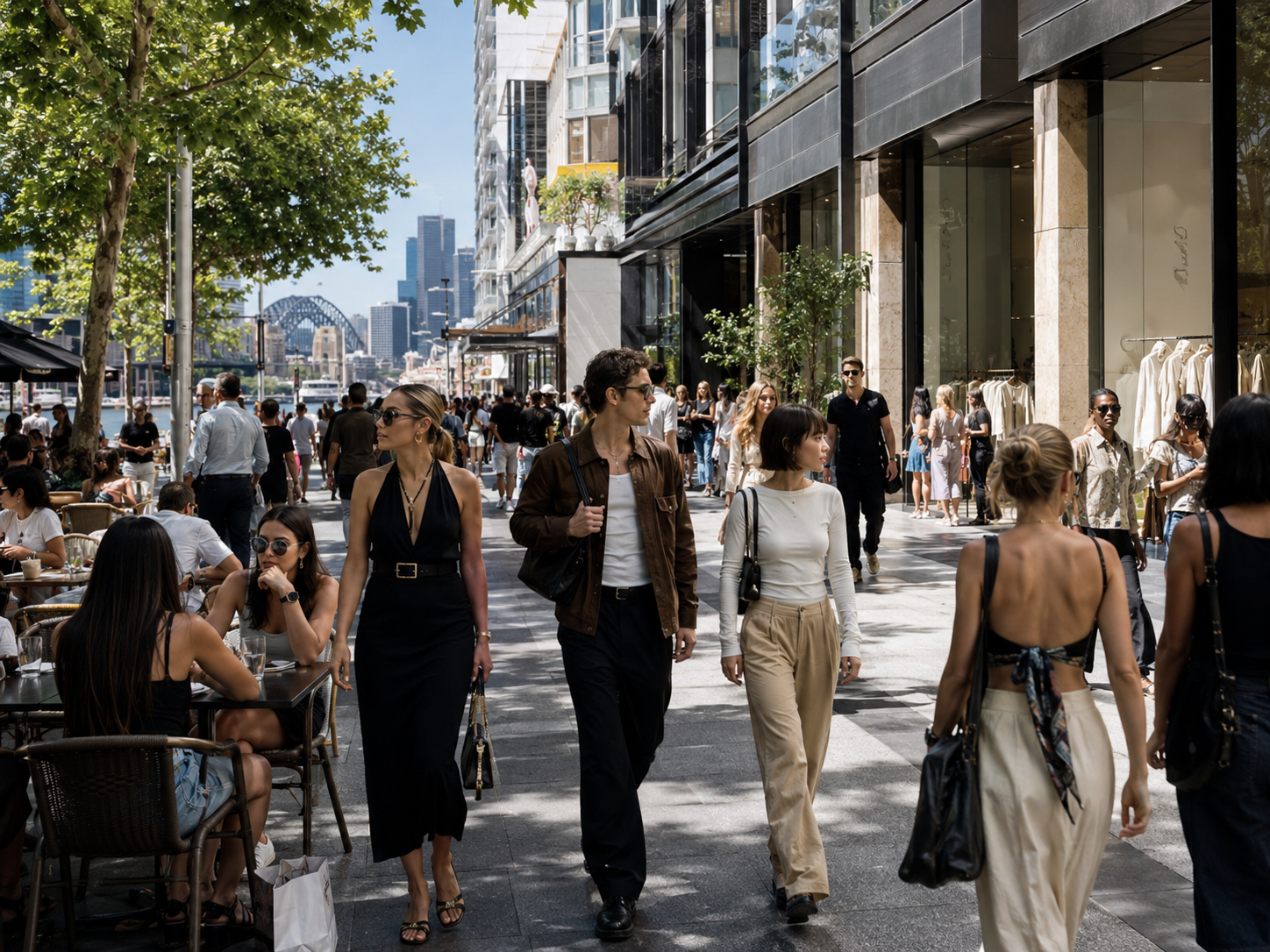
Sydney’s fashion market in 2026 is no longer defined only by what consumers want to buy. It is increasingly shaped by what they are willing to keep, repair, resell and wear repeatedly.
For years, fashion growth was strongly associated with speed and constant newness. Sydney consumers still respond to trends, but another behaviour is becoming more visible: selectivity.
A garment now competes not only with other new products but also with vintage stores, resale platforms, rental services and items already inside the consumer’s wardrobe.
This shift creates pressure for brands to explain why a product deserves long-term attention.
The circular economy framework promoted by the NSW Environment Protection Authority provides useful context for the wider movement toward keeping products and materials in use for longer. More information is available from the NSW EPA circular economy resource.
Sustainability Is Moving From Marketing to Product Design
The most important sustainability question for fashion brands is becoming practical: what happens after the customer buys the garment?
Design decisions influence whether clothing can be used for several seasons. Fabric quality, construction, care requirements and repairability all affect the real lifespan of a product.
In Sydney, this issue is especially relevant because the local lifestyle demands versatility. Consumers often want clothing that can move between commuting, work, social events and travel.
A successful garment may need to be stylish enough for the city while remaining comfortable in a warm and active environment.
Independent Designers Can Compete Through Transparency
Smaller Brands Have a Different Advantage
Independent Sydney labels rarely compete with multinational companies on scale. Their advantage lies elsewhere.
They can explain who designed a product, why a material was selected and how a collection fits into a broader creative vision.
This kind of transparency can make a smaller label more memorable. Consumers who understand the story behind a garment may be more willing to value it beyond a single season.
Boutiques in areas such as Paddington and Surry Hills also play an important role by introducing customers to designers they may never discover through mass-market retail.
Resale and Repair Are Changing the Definition of New
The growth of second-hand culture has altered the meaning of fashion discovery.
For many Sydney shoppers, finding a strong vintage piece can feel more exciting than purchasing the latest mass-produced item. Resale also gives premium clothing a second commercial life.
Repair is becoming relevant for similar reasons. A well-made coat, bag or pair of shoes may be worth maintaining rather than replacing.
This creates opportunities beyond conventional retail. Tailors, alteration services, shoe repair businesses and specialist cleaners all become part of the wider fashion economy.
Cost of Living Is Encouraging More Strategic Shopping
Economic pressure does not automatically eliminate interest in style. It changes the way consumers allocate money.
A shopper may reduce impulse purchases but spend more carefully on products expected to last. Others may combine second-hand pieces with occasional investment items.
This mixed wardrobe strategy is likely to remain important because it responds to several concerns at once: affordability, individuality and environmental impact.
Sydney’s Strongest Fashion Story Is About Value
The future of Sydney fashion depends on more than producing additional collections.
The more significant opportunity lies in creating better relationships between design, use and longevity.
Brands that communicate quality honestly, retailers that offer meaningful curation and consumers who think carefully about how clothing fits their lives are shaping a different urban fashion culture.
Sydney in 2026 is therefore becoming a test case for a broader question facing global fashion: can a city remain style-conscious while becoming more selective about consumption?
The answer may emerge not from one dramatic trend, but from thousands of smaller decisions about what people buy, how often they wear it and what happens to a garment after its first owner is finished with it.