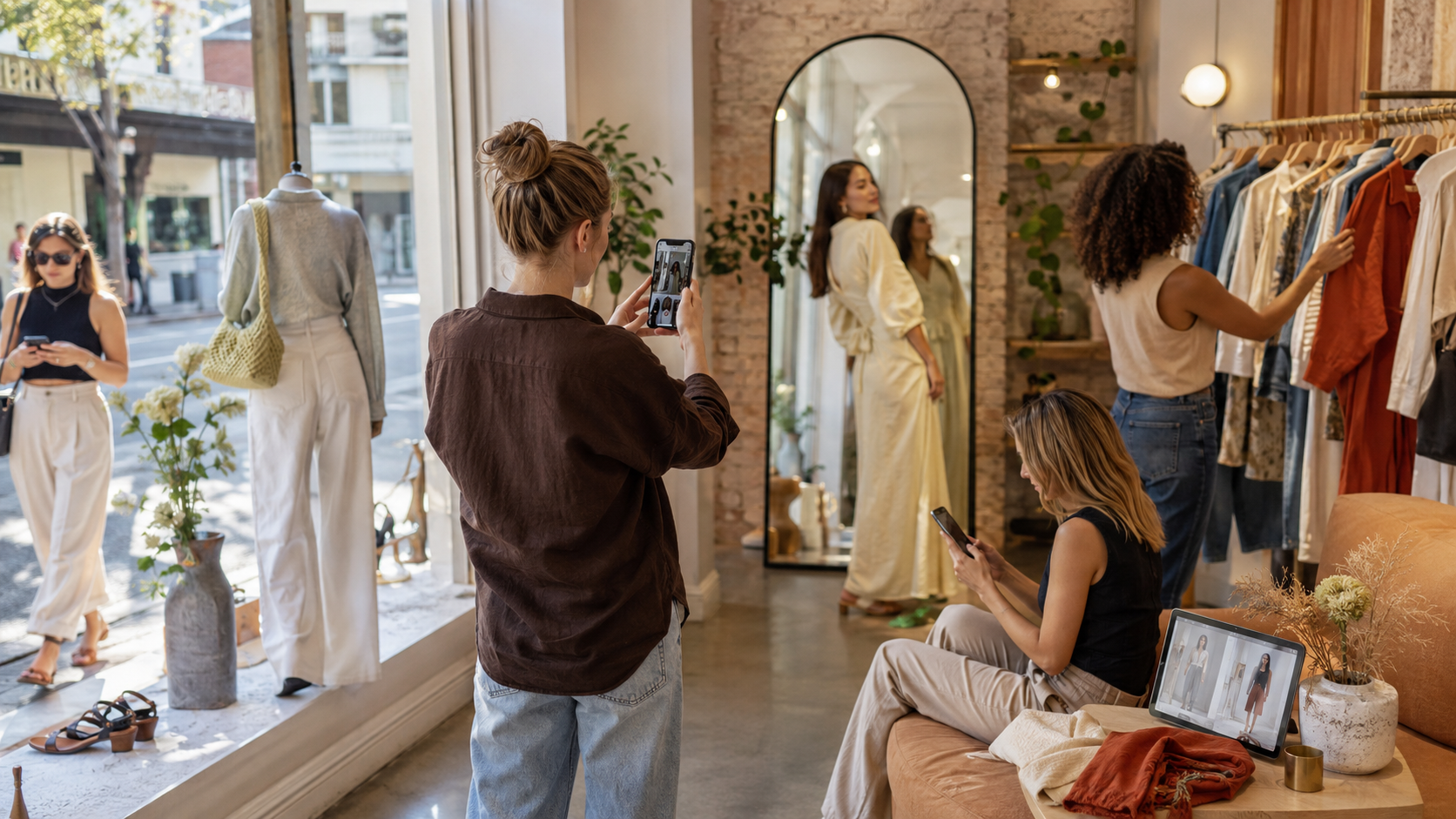
Melbourne’s independent boutique scene has moved from niche retail to a primary launchpad for Australian designers. In 2026, stores in Fitzroy, Collingwood, and the CBD are doing more than selling clothes; they are shaping how local labels reach consumers, build loyalty, and respond to a fast-changing retail environment.
The Independent Boutique Landscape in 2026
Melbourne consistently records one of Australia’s highest concentrations of independent fashion retail. Data from the Australian Fashion Council’s 2025 Fashion Census, released in early 2026, shows that more than 90 per cent of Australian fashion businesses remain small-to-medium enterprises, underlining the sector’s independent character. The full census is available at https://ausfashioncouncil.com/. This density creates a competitive but collaborative ecosystem where boutique owners exchange insights on local manufacturing, consumer demand, and visual merchandising.
How Local Designers Benefit from Curated Retail
Independent boutiques give emerging designers something department stores rarely offer: context. A label such as Arnsdorf or Kloke can present an entire collection in a space that reflects its aesthetic, rather than competing for attention on a crowded rack. Boutique owners often work directly with designers on exclusives, pre-orders, and made-to-order runs, which reduces overproduction and strengthens the designer’s cash flow. That direct relationship also means customer feedback travels back to the studio more quickly, allowing designers to adjust sizing, colourways, and fabric choices in real time.
Consumer Behaviour Shaping the Sector
Australian shoppers in 2026 are increasingly driven by origin stories, material transparency, and the desire to support local jobs. Boutique customers in Melbourne frequently ask where a garment was cut, who made it, and whether the fabric is traceable. This shift rewards boutiques that invest in staff training and storytelling. Instead of competing solely on price, independent stores compete on knowledge and trust.
The Role of Digital Discovery
Even the most traditional Melbourne boutique now maintains a digital shopfront. Google Discover has become a significant referral channel, particularly when boutiques publish local fashion stories, designer profiles, and behind-the-scenes content. A well-optimised article about a new capsule collection can surface to thousands of nearby users, driving both foot traffic and online orders. Social platforms such as Instagram and TikTok function as discovery engines, but search remains the tool that turns curiosity into purchase intent.
Operational Strategies for Independent Success
Successful Melbourne boutiques in 2026 tend to combine three operational pillars: tight inventory control, frequent small-batch deliveries, and community programming. Many host designer talks, fitting events, and styling workshops to give shoppers a reason to visit beyond the transaction. Others use subscription or loyalty models that reward repeat visits. Technology such as cloud-based POS systems and inventory analytics helps independent owners make faster decisions without losing the personal service that defines the boutique experience.
Maintaining Local Identity in a Global Market
As international fast fashion continues to push aggressive pricing, Melbourne’s independent boutiques are doubling down on what global chains cannot replicate: local relevance. By championing Australian designers, responding to local climate patterns, and participating in neighbourhood events, these stores turn location into a competitive asset. The next phase for Melbourne’s boutique sector will likely involve deeper integration between physical stores and local manufacturing hubs, giving shoppers even more reason to choose independent labels over mass-produced alternatives.