Early in 2026, the Australian beauty landscape is witnessing a decisive shift: the body is no longer an afterthought. Across coastal suburbs from Bondi to Byron Bay and inner-city Melbourne, a new generation of consumers is adopting the “body facial,” a multi-step routine that mirrors facial skincare. This development is reshaping retail shelves, digital content and the broader wellness economy.
The Rise of the Full-Body Ritual
For years, body care meant a quick layer of lotion after a shower. That habit has evolved into a structured ritual. Australian consumers now use body serums, exfoliating acids, retinol-infused body lotions and body-specific masks. The viral “everything shower” has normalised spending 30 to 45 minutes on full-body exfoliation, shaving, masking and hydration. According to the Australian Trade and Investment Commission’s 2026 beauty and wellness industry snapshot, premium body care is the fastest-growing category, with projected annual growth of 6.8% over the next five years. This acceleration is driven by consumers who treat body skin with the same seriousness as facial skin.
Key Ingredients Powering the Body Serum Boom
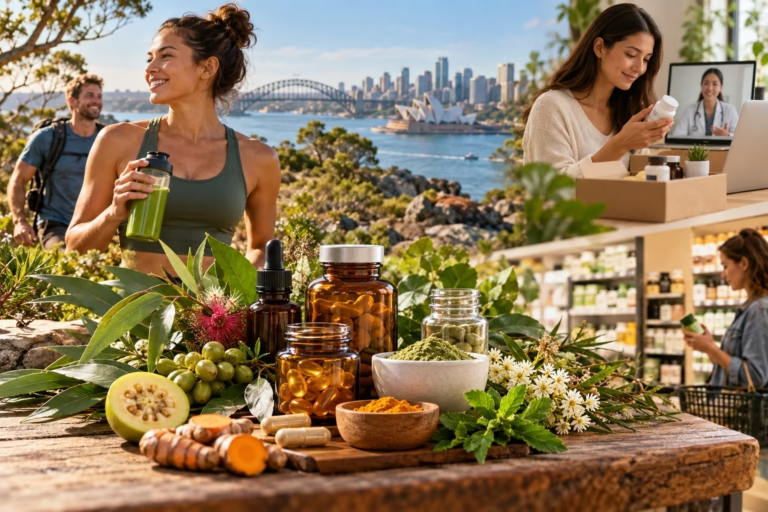
The ingredient crossover from face to body is a defining feature of the 2026 market. Niacinamide, lactic acid, urea and encapsulated retinol are appearing in body formulations. Australian brands are leading with native botanicals. Kakadu plum, one of the world’s richest sources of vitamin C, is featured in brightening body serums. Macadamia oil and Davidson plum extract offer barrier support and antioxidant protection. Frank Body, the Melbourne-born brand, built its global reputation on coffee-based body scrubs. Aesop, acquired by L’Oréal in 2023, continues to expand its body balms and cleansing bars. Go-To Skincare and Sukin also offer affordable, active body care lines that dominate Australian pharmacy shelves.
At-Home Spa as Everyday Self-Care
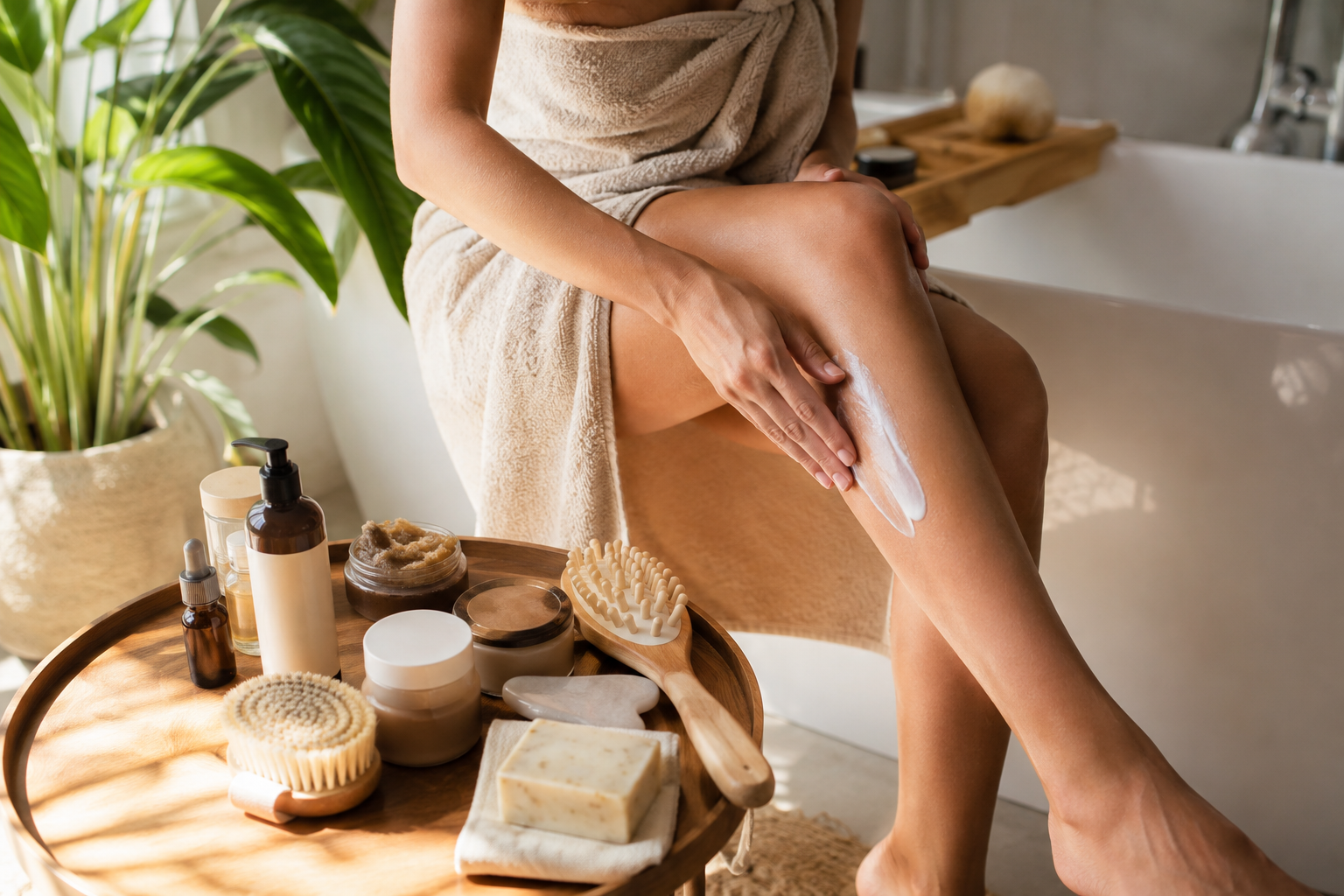
Cost-of-living pressures have not dampened wellness spending; they have redirected it. Instead of weekly salon facials or body treatments, Australians are investing in at-home tools. Dry body brushing, body gua sha and percussive massage guns are now part of morning and evening routines. The practice of lymphatic drainage, once confined to spa menus, has become a mainstream self-care behaviour. Retailers such as Mecca and Adore Beauty report that body tools and body serums are among their fastest-growing categories in early 2026. This shift reflects a broader blurring of beauty and wellness: consumers want both sensory pleasure and measurable skin benefits.
Sustainability and Refill Culture
Another driver is packaging. Australian consumers increasingly favour refillable body care formats, aluminium tubes and plastic-free scrubs. Brands like Bondi Sands and Jurlique have introduced refill pouches and carbon-neutral production lines. The body care boom is therefore not only about actives but also about ethical consumption.
As the Australian winter approaches, industry analysts expect body care to outpace facial skincare in growth for the first time. The body facial is no longer a trend; it is becoming the new baseline for personal care.