Sydney, August 2026 — Australia’s halal culinary economy is no longer a niche segment. It has become one of the most resilient growth stories in the country’s food and beverage sector, with domestic consumption and export trade now reinforcing each other at a scale few analysts predicted a decade ago.
Market Scale and Export Tailwinds
Industry estimates compiled by Mordor Intelligence’s 2026 Australia halal food market report indicate that domestic halal food and beverage spending will exceed AUD 2.9 billion this financial year. When halal-certified red meat exports are added, the combined value moves well past AUD 3 billion. Australia now sends halal beef, lamb, and goat meat to more than 80 markets, with Indonesia, Malaysia, Saudi Arabia, and the United Arab Emirates among the largest buyers.
The export engine is not just about volume. Australian halal meat commands premium prices because of the country’s strict biosecurity, animal welfare, and halal assurance systems. In 2026, several major Australian meat processors expanded their halal-certified lines to meet rising demand from Middle Eastern hotel chains and Southeast Asian food manufacturers.
Domestic Dining Expansion
On the domestic front, the restaurant landscape is changing quickly. Sydney’s western suburbs, Melbourne’s northern corridor, and Brisbane’s southern precincts have seen a wave of new halal-certified cafes, burger joints, and casual dining outlets. Many are run by second-generation Muslim Australians who blend traditional recipes with local ingredients.
Fast food chains have also deepened their halal offerings. While some outlets remain non-halal due to pork products, a growing number of stores in high-density Muslim areas operate under halal certification, creating a clear competitive advantage.
Consumer Preferences Driving the Upswing
Halal consumers in Australia are not a homogenous group. The Muslim population, projected to surpass one million by mid-2026, includes families, students, professionals, and tourists. Their preferences are shifting toward convenience, transparency, and flavour variety.
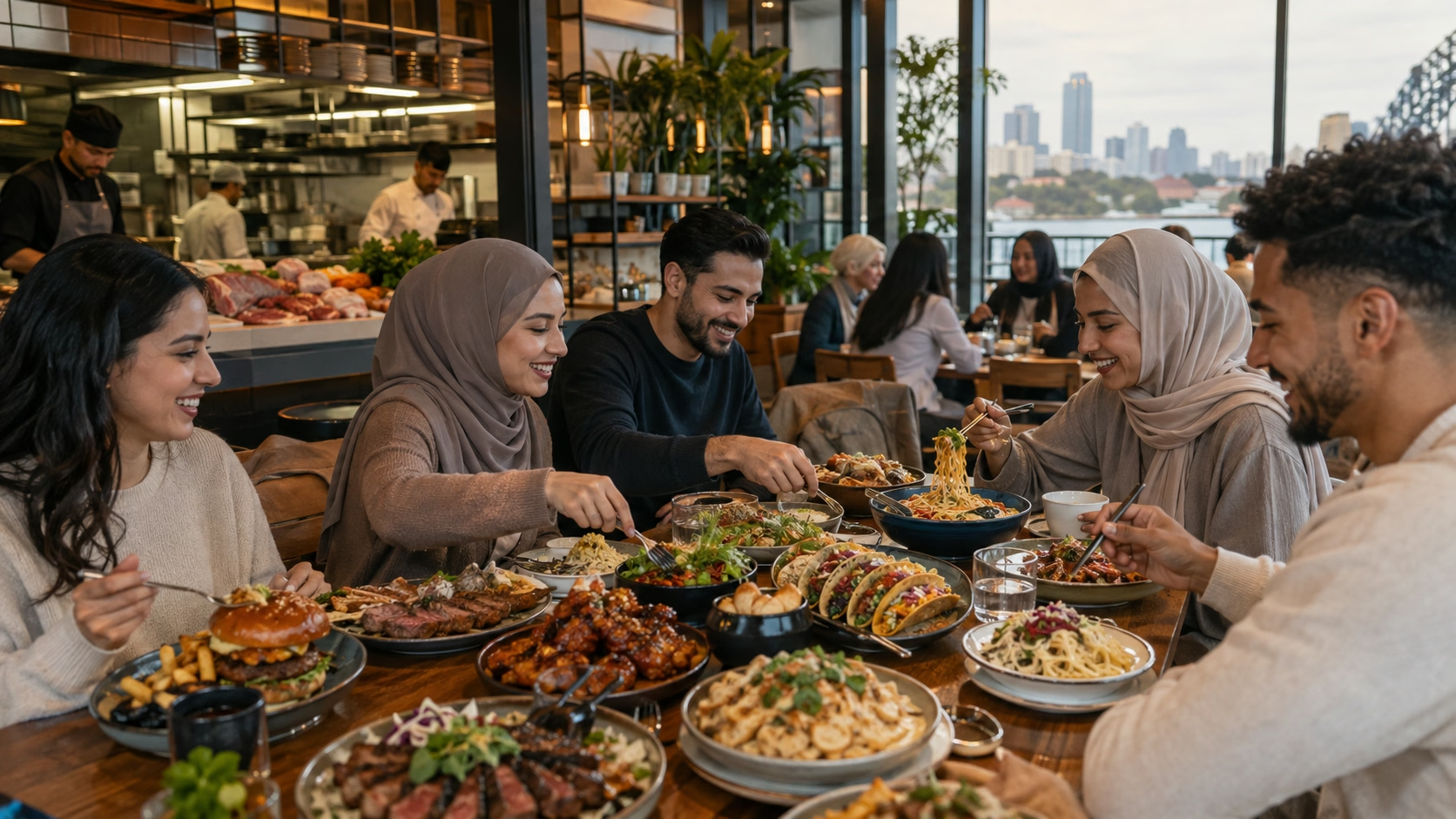
A key trend is the demand for halal versions of mainstream global foods. Korean fried chicken, Japanese ramen, Mexican tacos, and Italian pasta are increasingly available with halal certification. This shift is pulling non-Muslim foodies into halal outlets as well, because the quality and hygiene standards often exceed those of conventional venues.
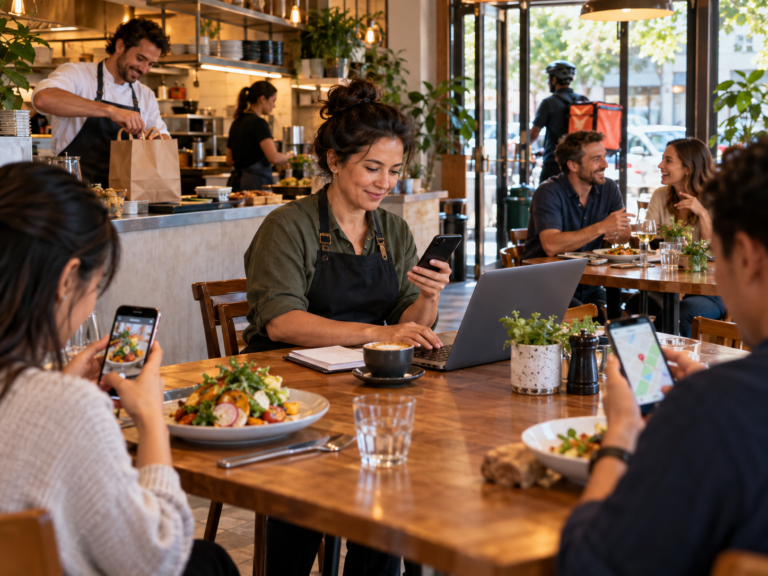
Another driver is digital discovery. Google search interest for “halal restaurants near me” has grown by double digits in Sydney and Melbourne during the first half of 2026, according to local SEO agencies. Restaurants that list halal credentials clearly on Google Business Profile and food delivery apps are capturing significant market share.
The convergence of export strength and domestic dining innovation has created a feedback loop: export revenue funds better supply chains and certification technology, while domestic competition raises the standard for flavour and service. As a result, Australia is increasingly seen as a benchmark for halal food quality across the Asia-Pacific.
For food businesses, the opportunity is not simply to label products halal, but to build trust through traceable sourcing, visible certification, and menus that reflect Australia’s multicultural palate. The second half of 2026 is likely to bring even faster consolidation, with investment funds beginning to treat halal food as a mainstream growth category.