The New Menu Hierarchy
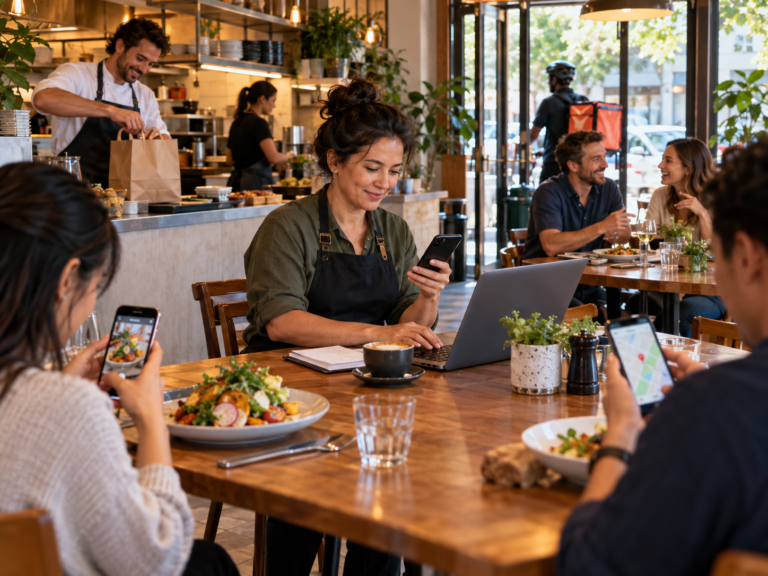
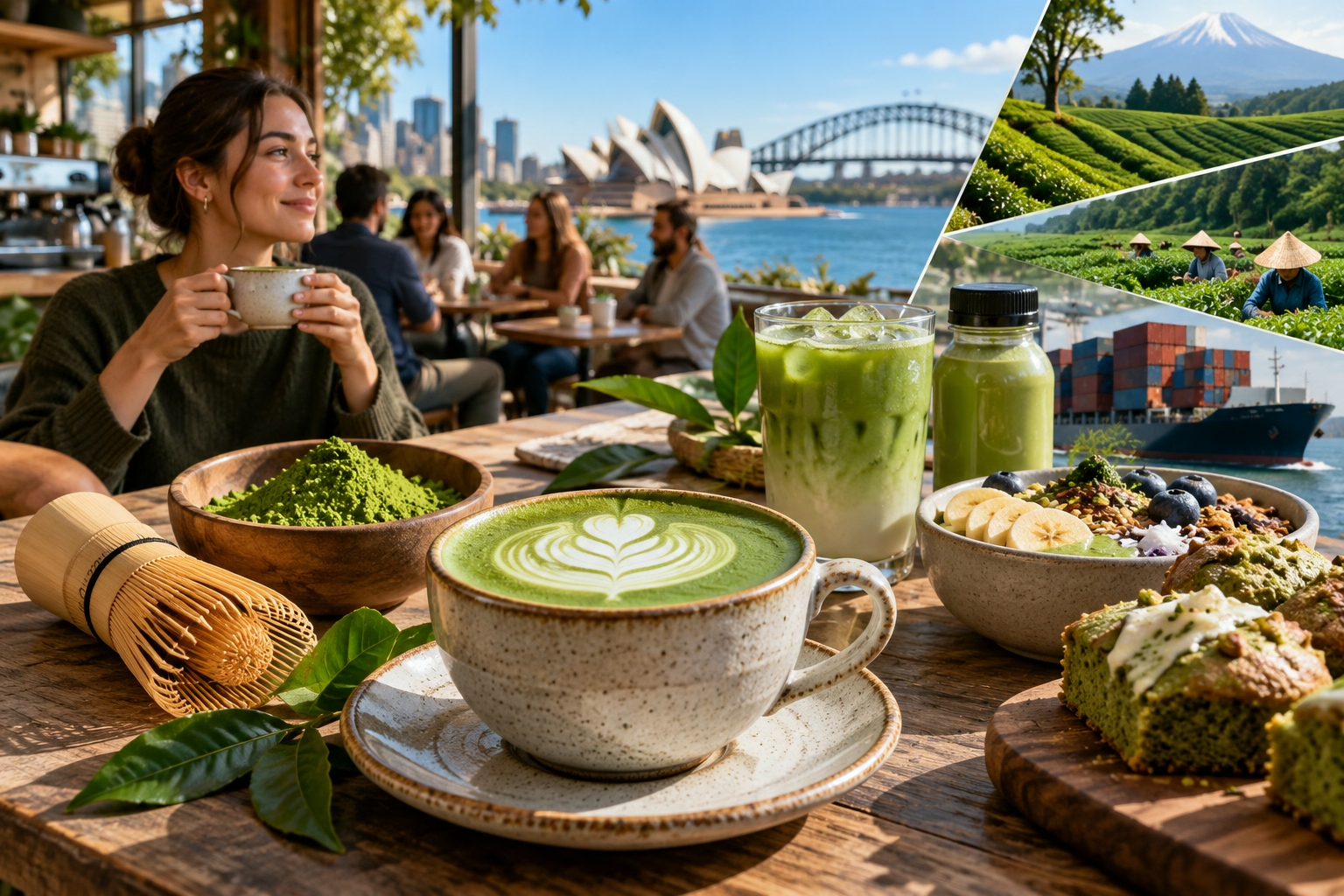
Walk into a specialty café in Sydney, Melbourne, or Brisbane in 2026, and the hierarchy on the menu board tells a story that would have seemed implausible a decade ago. Ceremonial matcha lattes now sit above the flat white—the drink that defined Australian café culture for a generation. This is not a niche curiosity. Ordering platform Hey You and Westpac DataX recorded a 133% year-on-year increase in matcha orders across Australian businesses, with customers under 35 driving the surge. The green powder has moved from the fringe of health-food shops to the centre of the daily coffee ritual.
Why Cafés Are Restructuring Their Bars
The operational logic is difficult to ignore. A standard iced matcha latte now retails for around $8—roughly $2 more than a standard milk coffee—yet demand remains undeterred. Cafés are responding by dedicating separate matcha stations, training baristas in whisking technique, and sourcing multiple grades of the powder. In Canberra, Mayfair Espresso Cafe has installed a dedicated matcha bar where drinks are whisked to order. The investment signals a structural change in café economics: matcha is no longer an add-on but a core revenue driver.
The Dessert-Latte Hybrid
The line between beverage and dessert has blurred. Matcha lattes are increasingly crowned with cream foams, strawberry-lychee layers, and cheesecake-inspired toppings. Adelaide’s Mascavado serves a variant dolloped with matcha cheesecake cream, while Melbourne venues experiment with pistachio matcha and hojicha hybrids. Pureprofile’s social insights show that Asian-inspired food and drink now accounts for 28% of online share, with TikTok views of pistachio matcha lattes more than doubling in eight months. This is “beverage theatre”—presentation as important as flavour.
The Price Paradox
Despite the premium, matcha has become what the Guardian calls a “staple” on Australian café menus. The wholesale price of tencha—the shaded leaf used to make matcha—has risen 69% in a year, from a 2025 high of 8,235 yen per kilogram to an average of 13,972 yen. Supply constraints in Japan have not dampened Australian appetite. Instead, cafés are absorbing higher input costs because matcha delivers something coffee struggles to match: a gentler caffeine curve, driven by L-theanine, that appeals to a generation wary of the “coffee crash”.
What This Means for the Independent Operator
For independent cafés, matcha offers a point of differentiation that flat whites cannot. The ritual of whisking, the visual spectacle of layered iced drinks, and the storytelling around single-origin Japanese farms create a premium experience that justifies the price tag. The risk, however, is supply. With Japanese production under strain and global demand climbing, Australian cafés are beginning to explore blended sourcing and alternative origins. The flat white may still be the emotional anchor of Australian café culture, but the menu board in 2026 tells a different story: matcha is no longer the challenger—it is the benchmark.