Australia boasts a diverse and vibrant performing arts scene, which has become a cornerstone of the country’s cultural identity. The range of performances in Australia stretches from traditional dance forms to cutting-edge experimental theatre, offering audiences a broad spectrum of artistic expression. This diversity not only reflects the country’s multicultural makeup but also speaks to its deep-rooted connection with both its Indigenous heritage and contemporary international influences.
Dance: A Cultural and Artistic Expression
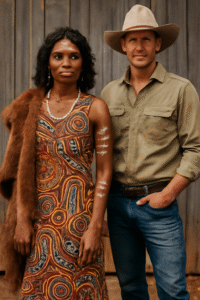
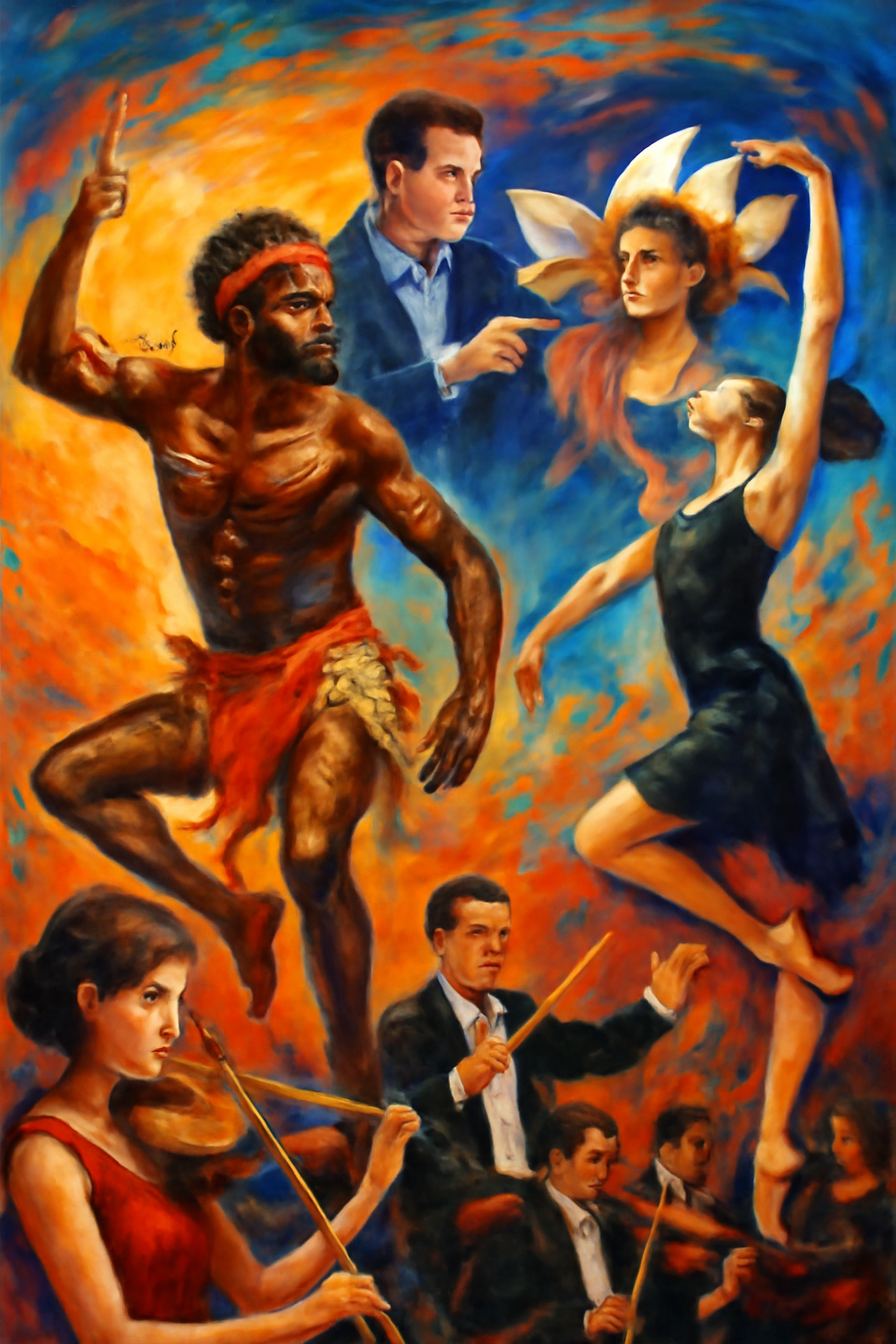
Dance in Australia has evolved significantly, with strong influences from both Indigenous and Western traditions. Indigenous Australian dance, which has been practiced for over 60,000 years, is an integral part of the country’s performing arts scene. These dances, often performed in ceremonial contexts, are deeply spiritual, representing a connection to the land, ancestors, and the Dreamtime—the Aboriginal creation mythology. Today, these traditional dances are still performed at cultural events and festivals, serving as a testament to Australia’s Indigenous heritage.
In contrast, modern dance in Australia has grown in prominence over the last century, particularly with the formation of renowned institutions like the Australian Ballet and the Australian Dance Theatre. These companies have elevated Australian dance to an international level, with performances often blending classical ballet with contemporary styles. The country’s dance community is also marked by the growing presence of Indigenous dancers in contemporary productions, highlighting the fusion of old and new artistic expressions.
Theatre: The Evolution of Australian Drama
Australian theatre has undergone significant transformation, shaped by both historical events and modern trends. Early Australian theatre was heavily influenced by British colonial traditions, but as the country matured, so did its theatrical offerings. Today, Australian theatre is a fusion of realism, absurdism, and avant-garde techniques, often characterized by its exploration of national identity, social issues, and the complexities of life in modern Australia.
One of the key features of Australian theatre is its focus on local stories. Playwrights like David Williamson, who became famous for works such as “The Removalists” and “Don’s Party,” used theatre to explore the intricacies of Australian life. Their works often dealt with themes of class, politics, and identity, capturing the spirit of the Australian psyche.
Alongside traditional drama, experimental theatre has also emerged as a significant force in the Australian performing arts landscape. Companies like the Sydney Theatre Company and Malthouse Theatre in Melbourne have been at the forefront of pushing the boundaries of what theatre can be. These institutions regularly feature experimental works that challenge conventional forms of storytelling and explore new technologies, multimedia, and interactive performances.
Experimental Theatre: Breaking Boundaries
Experimental theatre in Australia is not just about pushing aesthetic boundaries but also about questioning the role of theatre itself. The country’s experimental theatre scene has been shaped by global movements like postmodernism and deconstruction, blending performance art, multimedia, and audience interaction to create innovative experiences. Artists involved in experimental theatre often break the fourth wall, challenging the passive nature of traditional theatre and encouraging more active audience engagement.
One example of this is the work of companies like “The Sisters Grimm,” known for their avant-garde performances that blend theatre with elements of circus, dance, and visual art. Their productions often defy traditional narrative structures, opting instead for abstract or fragmented storytelling. This approach encourages viewers to interpret the work in personal and varied ways, expanding the very concept of what a theatrical performance can be.
Festivals: Celebrating the Performing Arts
Australia is home to some of the world’s most famous performing arts festivals. The Sydney Festival, Melbourne International Arts Festival, and Adelaide Fringe Festival are just a few of the events that draw both local and international talent to the stage. These festivals not only showcase Australian performers but also bring international theatre, dance, and music to Australian audiences, promoting cultural exchange and artistic collaboration.
The festivals provide a platform for both established and emerging artists to experiment and take creative risks, often resulting in performances that cannot be seen anywhere else. For instance, the Adelaide Fringe Festival is known for its inclusive atmosphere, where experimental theatre and alternative performances are highly valued. It is an essential part of the Australian performing arts calendar, providing opportunities for artists to push creative boundaries and present unconventional works.
A Global Stage
In recent years, Australian performing arts have gained increasing recognition on the global stage. Australian dance companies and theatre productions have toured internationally, showcasing the country’s rich cultural tapestry. This global exposure has led to a greater appreciation for the diversity and innovation found within Australia’s arts scene. Whether through the grace of ballet, the power of drama, or the boldness of experimental theatre, Australian performing arts continue to captivate audiences around the world.