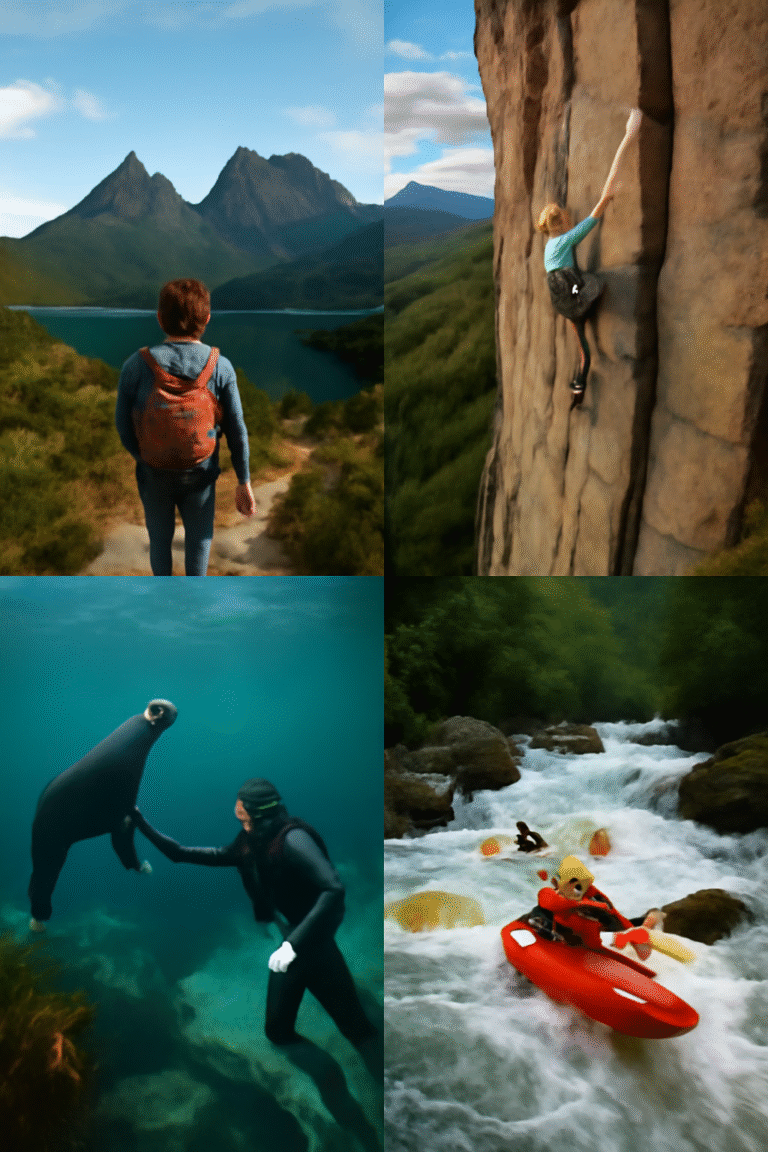



Australia is one of the world’s most rewarding destinations for outdoor lovers. Its appeal comes from the sheer variety of landscapes packed into one country: long sandy coastlines, rugged mountain ranges, tropical reefs, eucalyptus forests, red deserts, and ancient national parks. This diversity allows travelers and locals alike to move from catching waves in the morning to trekking through dramatic bushland later in the day. Outdoor recreation is not simply a leisure option in Australia; it is deeply connected to the country’s culture, climate, and sense of place.
Surfing is one of the most recognizable outdoor activities in Australia, and for good reason. With more than 30,000 kilometers of coastline, the country offers waves for every skill level. Beginners often head to beaches such as Bondi in Sydney or Noosa in Queensland, where surf schools, rental shops, and patrolled swimming areas make learning more accessible. More experienced surfers usually seek out stronger breaks in places like Byron Bay, Bells Beach, or Margaret River. Conditions change depending on the season, tide, and wind, so checking surf reports is essential. Safety also matters greatly, especially because Australian beaches can have strong rip currents. Swimming or surfing between the red and yellow flags, listening to lifeguards, and understanding local warnings are all part of enjoying the ocean responsibly.
Beyond the shoreline, hiking opens up a completely different side of Australia. The country’s trail network ranges from short coastal walks to demanding multi-day treks. In New South Wales, the Blue Mountains offer cliffs, waterfalls, and eucalyptus valleys with trails suited to casual walkers and serious hikers alike. In Victoria, the Great Ocean Walk combines ocean views, limestone formations, and a sense of isolation that feels far removed from city life. Tasmania is especially popular among hikers because of its cooler climate and dramatic wilderness. Routes such as the Overland Track lead through alpine terrain, glacial lakes, and ancient forests that are difficult to compare with anywhere else in the Southern Hemisphere.
One of the strengths of outdoor travel in Australia is that it rarely stops with only one activity. A coastal trip might include surfing, kayaking, paddleboarding, and snorkeling in the same region. Marine adventures are particularly impressive around the Great Barrier Reef and Ningaloo Reef, where travelers can swim among coral gardens, sea turtles, and colorful fish. Inland areas invite mountain biking, rock climbing, canyoning, and camping. In many national parks, wildlife encounters also become part of the experience, whether that means spotting kangaroos at sunrise, hearing cockatoos overhead, or watching whales migrate along the coast.
Planning is an important part of any outdoor adventure in Australia because conditions can vary sharply from region to region. Northern Australia is often best visited in the dry season, while southern regions can be ideal for hiking in spring or autumn when temperatures are milder. Sun protection is essential throughout the country due to strong UV exposure. Water, navigation tools, proper footwear, and weather awareness are equally important, especially in remote areas where services may be limited. Travelers should also respect environmental rules and local cultural significance, including Indigenous heritage sites that hold deep meaning.
What makes outdoor activity in Australia so memorable is not only the scenery, but also the feeling of freedom it creates. Whether someone is learning to stand on a surfboard, walking through ancient bush trails, or sleeping under a sky full of stars, the experience offers a direct connection to the natural world. Australia rewards curiosity, preparation, and respect, making every outdoor journey both exciting and deeply enriching.