


Australia is a vast and diverse country known for its unique wildlife, which includes some of the world’s most iconic animals. Among the most popular and beloved creatures are the koalas and kangaroos, alongside a range of other endemic species. These animals not only captivate visitors but also play a crucial role in the country’s ecosystems. For wildlife enthusiasts, Australia offers an unforgettable opportunity to explore and interact with animals that cannot be found anywhere else in the world.
Koalas: Australia’s Cuddly Icon
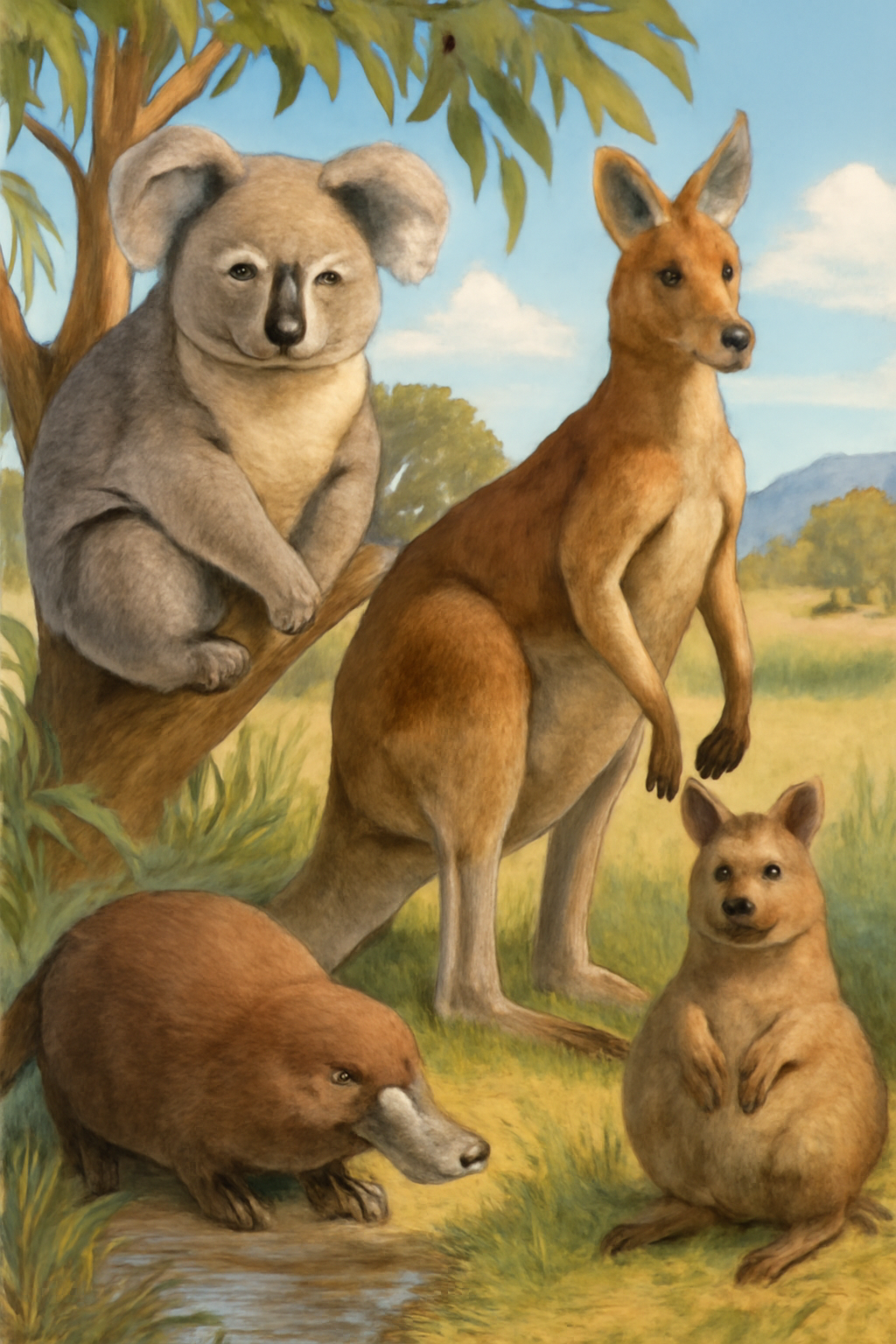
One of the most famous animals native to Australia is the koala, a tree-dwelling marsupial. Known for their large, fluffy ears and adorable appearance, koalas are typically found in the coastal regions of eastern and southern Australia. These creatures are arboreal, meaning they spend most of their time in eucalyptus trees, where they feed on the leaves of these trees. Despite their sleepy demeanor, koalas have a very specific diet and can be quite particular about the types of eucalyptus trees they inhabit.
Visitors to Australia can encounter koalas in a variety of wildlife parks and sanctuaries. The chance to see them up close is a unique experience, and some sanctuaries even allow visitors to hold or take photos with these cuddly creatures under controlled conditions. However, due to their vulnerable status and declining numbers, it is important to remember that conservation efforts are underway to protect koalas and their habitats from threats like deforestation and disease.
Kangaroos: The Face of Australia’s Wild Landscape
Kangaroos are another quintessential symbol of Australian wildlife. These iconic marsupials are known for their powerful hind legs, which they use to travel in leaps. While kangaroos can be found across much of Australia, their numbers are most abundant in the outback, where they roam vast open landscapes. The red kangaroo, the largest of its species, is commonly seen in the central and western regions of Australia.
Kangaroos are herbivores and typically graze on grasses, making them an integral part of Australia’s ecosystems. Travelers can visit national parks such as the Kangaroo Island, located off the coast of South Australia, to witness large mobs of kangaroos in their natural habitat. Kangaroos are also an important part of Aboriginal culture and hold significant symbolism in indigenous stories.
Endemic Species: A World of Wonders
In addition to the well-known koalas and kangaroos, Australia is home to a wide range of endemic species—animals that are found nowhere else on Earth. These include the platypus, the echidna, and the quokka. The platypus, for example, is a remarkable egg-laying mammal that combines features of birds, reptiles, and mammals. Its duck-like bill and webbed feet make it an easily recognizable creature. Platypuses can be found in rivers and freshwater lakes across eastern Australia, particularly in Tasmania and parts of Victoria.
The echidna, also known as the spiny anteater, is another unique Australian species. These small, egg-laying mammals are covered in spines and are often found in forests, grasslands, and deserts. The quokka, a small marsupial, has gained popularity for its “smiling” appearance and is often referred to as the happiest animal on Earth. Quokkas live on Rottnest Island off the coast of Western Australia, and they are friendly and photogenic, making them a popular attraction for tourists.
Australia’s wildlife extends beyond these familiar animals to include a host of rare and fascinating creatures, such as the sugar glider, the bilby, and the dingo. Many of these species are found only in Australia, making the country a must-visit destination for wildlife lovers and conservationists alike.
The Importance of Conservation
While Australia’s wildlife is undoubtedly captivating, it is also facing significant threats. Habitat loss, climate change, and the introduction of invasive species have placed many of Australia’s unique creatures at risk. Conservation efforts are essential to preserving these animals for future generations, and many organizations are dedicated to protecting Australia’s biodiversity.
To experience Australia’s wildlife responsibly, travelers should visit wildlife sanctuaries and parks that focus on conservation, where they can learn about ongoing efforts to protect these animals. Engaging with these initiatives helps raise awareness and contributes to the preservation of Australia’s natural heritage.