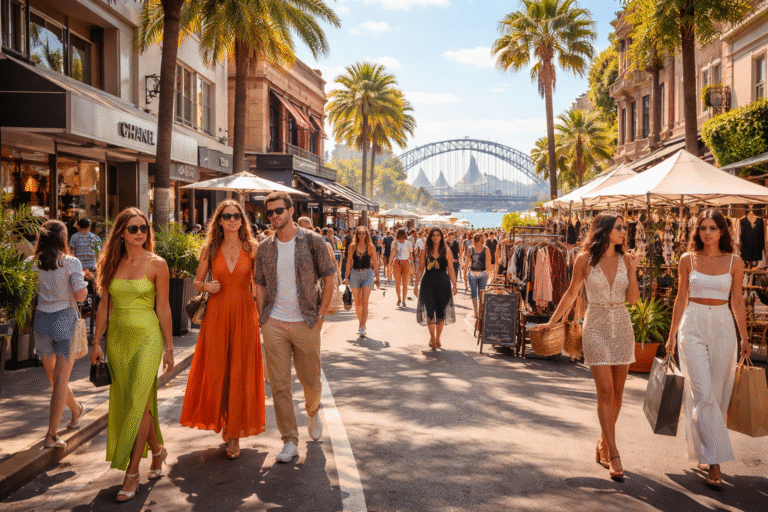



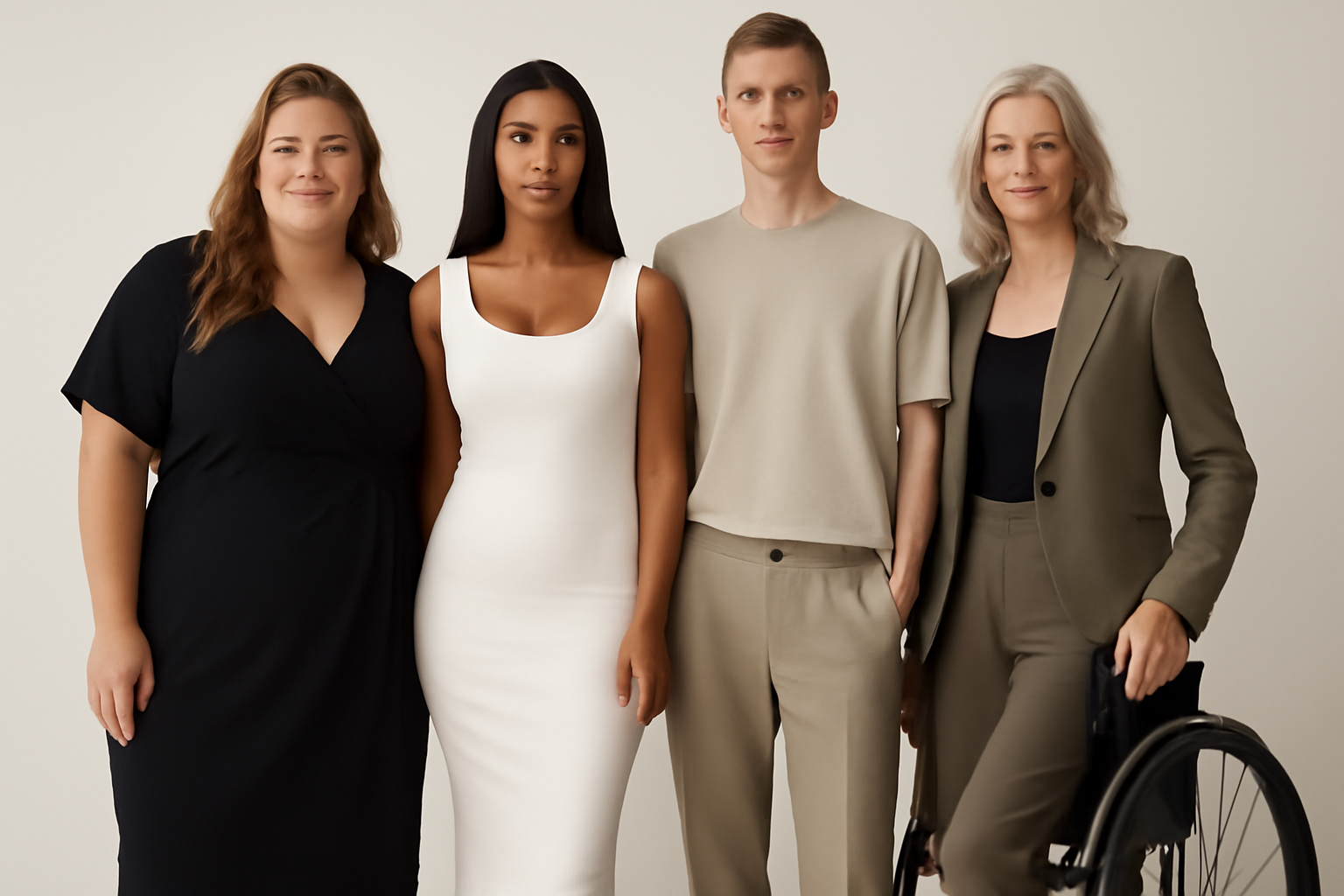
The fashion industry in Australia, much like other parts of the world, has historically been criticized for its lack of inclusivity and diversity. For many years, the representation of body types, ethnicities, gender identities, and age groups in fashion was limited. However, over the past decade, Australia has seen a significant shift toward inclusivity and diversity, challenging traditional standards and creating more opportunities for all individuals to express themselves through fashion.
A growing number of Australian fashion designers and brands are now making a conscious effort to promote inclusivity by expanding their product offerings and embracing a wider range of body sizes, shapes, and ethnic backgrounds. This has been particularly evident in the rise of plus-size fashion, with many brands now offering collections that cater to a broader audience. Labels like “Bella Rose” and “Harlow” are leading the charge, offering stylish, well-fitting clothes that celebrate curves, and proving that fashion should not be reserved for a specific body type.
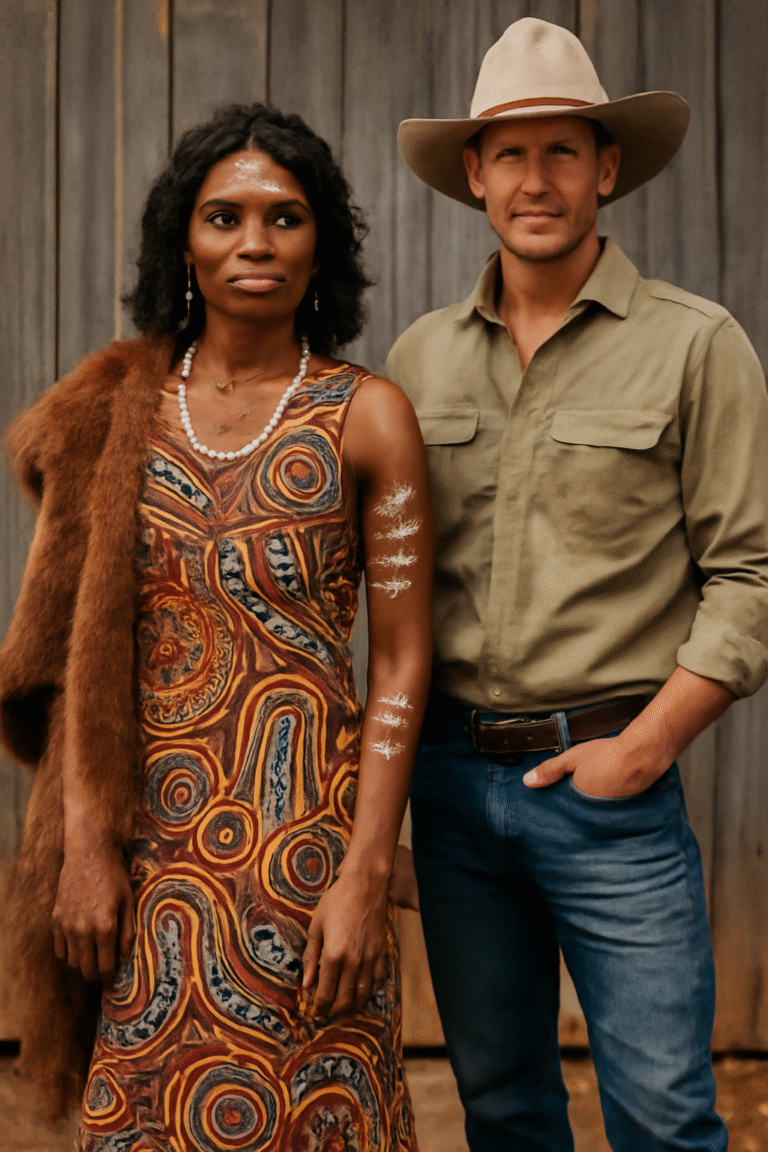
Alongside this, there has been a significant increase in the visibility of culturally diverse models on runways, advertising campaigns, and social media. Australian fashion houses like “Zimmermann” and “Aje” have increasingly showcased models from various ethnic backgrounds, reflecting the multicultural nature of Australian society. This shift has been critical in ensuring that all consumers, regardless of their background, can see themselves represented in the media and fashion world.
Gender inclusivity has also become a significant focus in the Australian fashion scene. More brands are offering gender-neutral collections, allowing individuals to express their identities without the limitations of traditional gendered clothing. Designers like “Tome” and “Nonie” have been pioneers in this space, offering clothing that transcends gender norms and allows for self-expression free from societal constraints.
In addition, age inclusivity is slowly becoming more prominent in the Australian fashion industry. While the fashion world has long been criticized for favoring youth, older Australians are now starting to see themselves reflected in fashion advertisements and on runways. Brands like “David Jones” have featured older models in their campaigns, emphasizing that style is ageless and that people of all ages deserve to feel confident in their clothing choices.
The inclusion of individuals with disabilities is another important facet of this movement. More designers are beginning to consider accessibility and functionality in their designs, offering adaptive clothing options that cater to people with physical disabilities. By doing so, the Australian fashion industry is taking a significant step toward ensuring that everyone, regardless of ability, can participate in fashion and feel empowered by it.
Social media has played an instrumental role in promoting inclusivity and diversity. Platforms like Instagram and TikTok have allowed individuals from all walks of life to showcase their personal style and challenge the traditional norms set by the industry. This democratization of fashion has led to greater visibility for marginalized communities and has encouraged brands to be more responsive to the needs of diverse consumers.
As the Australian fashion industry continues to evolve, it is clear that inclusivity and diversity will remain at the forefront of its growth. More designers, brands, and consumers are advocating for a fashion world that celebrates all forms of beauty, identity, and self-expression. With continued progress in these areas, the future of Australian fashion looks not only more inclusive but also more reflective of the rich diversity that defines the country.