



Preventive healthcare plays a central role in Australia’s health system because it aims to stop illness before it begins, detect conditions early, and reduce complications that place pressure on hospitals, families, and the economy. Instead of focusing only on treatment after disease has progressed, preventive care emphasizes immunisation, health screening, lifestyle support, public education, and community-based intervention. In a country facing a high burden from chronic conditions such as cardiovascular disease, cancer, type 2 diabetes, respiratory illness, and mental health problems, prevention is one of the most effective long-term strategies.
Australia’s disease profile has changed significantly over time. Infectious diseases remain important, but many of the biggest health challenges now come from non-communicable diseases that are often linked to modifiable risk factors. Smoking, alcohol misuse, unhealthy eating, obesity, physical inactivity, high blood pressure, and high cholesterol continue to contribute heavily to preventable illness. These factors increase the likelihood of long-term disease and often interact with social determinants such as income, education, housing, employment, and access to healthcare. Preventive healthcare addresses these risks before they develop into severe and costly medical problems.
Primary care is one of the strongest foundations of prevention in Australia. General practitioners are often the first point of contact and are well placed to provide health advice, vaccinations, routine check-ups, and referrals for screening. They support patients in managing weight, improving nutrition, quitting smoking, and monitoring early warning signs of disease. Through Medicare and public health programs, many preventive services are made more accessible, helping people receive care before conditions become advanced.
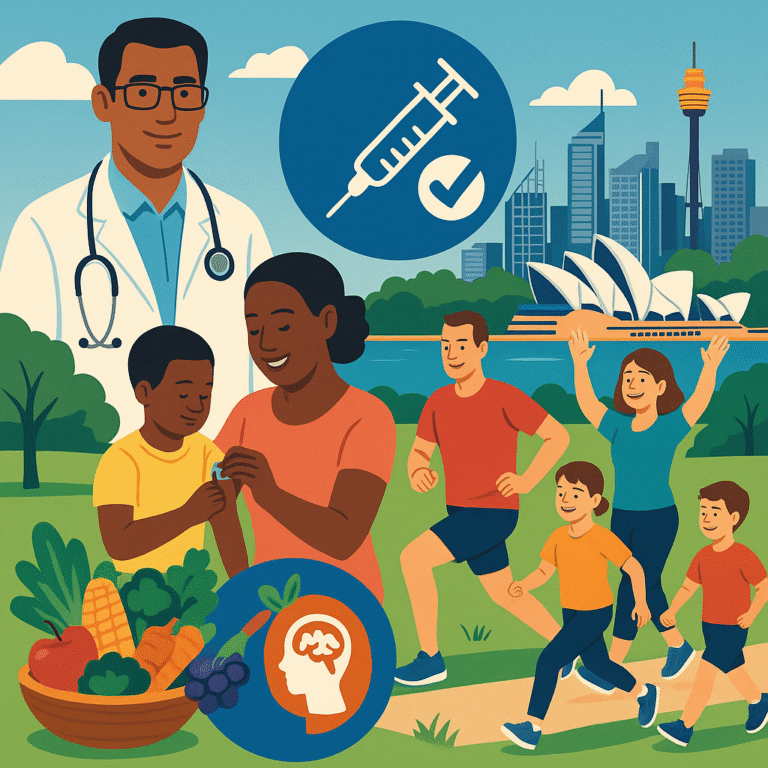
Vaccination is one of Australia’s most successful preventive tools. The National Immunisation Program has helped protect children, older adults, pregnant women, and other priority groups from serious infections. Immunisation reduces hospital admissions, lowers the spread of disease, and protects vulnerable populations who may face greater risk from preventable infections. The benefits extend beyond individual protection because widespread coverage strengthens population-level resilience.
Screening programs are another important pillar. Australia has national screening initiatives for bowel cancer, breast cancer, and cervical cancer, all designed to detect disease at an earlier stage when treatment is more effective and survival rates are higher. Preventive screening can also reduce the need for complex medical procedures by identifying problems before they become life-threatening. Regular blood pressure checks, cholesterol testing, diabetes risk assessments, and skin examinations are also especially relevant in the Australian setting, where lifestyle disease and skin cancer are major concerns.
Public health campaigns have reinforced preventive goals by encouraging healthier daily habits. Messages about sun safety, tobacco control, responsible alcohol use, physical activity, and balanced diets have shaped public awareness for decades. Australia’s tobacco control approach, including plain packaging, taxation, and smoking cessation support, is often cited as a powerful example of prevention reducing future disease burden. Similar efforts are being used to respond to obesity and sedentary lifestyles.
Despite progress, preventive healthcare is not experienced equally across the population. Aboriginal and Torres Strait Islander communities, rural and remote residents, and socioeconomically disadvantaged groups may face reduced access to services, transport, culturally safe care, and consistent follow-up. These inequities increase preventable disease burden and show that effective prevention must go beyond medical advice alone. It must include community engagement, early childhood support, food security, housing stability, and policies that make healthy choices realistic.
Investing in prevention helps Australia create a healthier population while easing demand on acute care services. By strengthening primary care, promoting healthier environments, and expanding equitable access to early intervention, the country can reduce avoidable illness and improve quality of life across all stages of life.