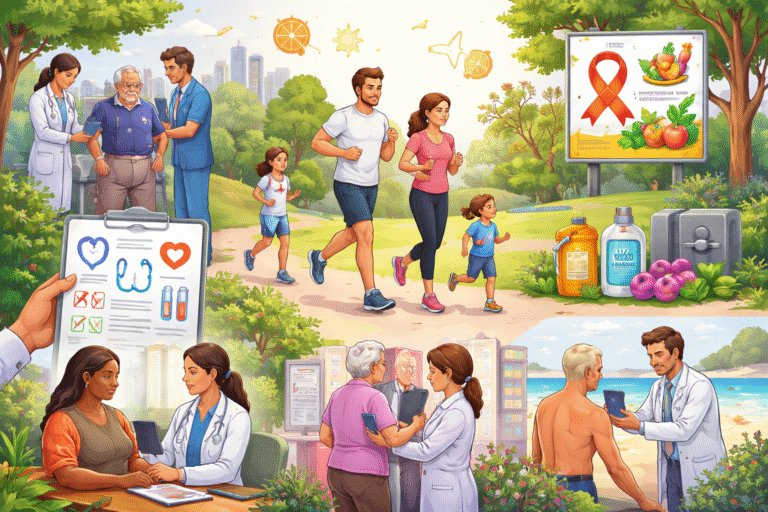



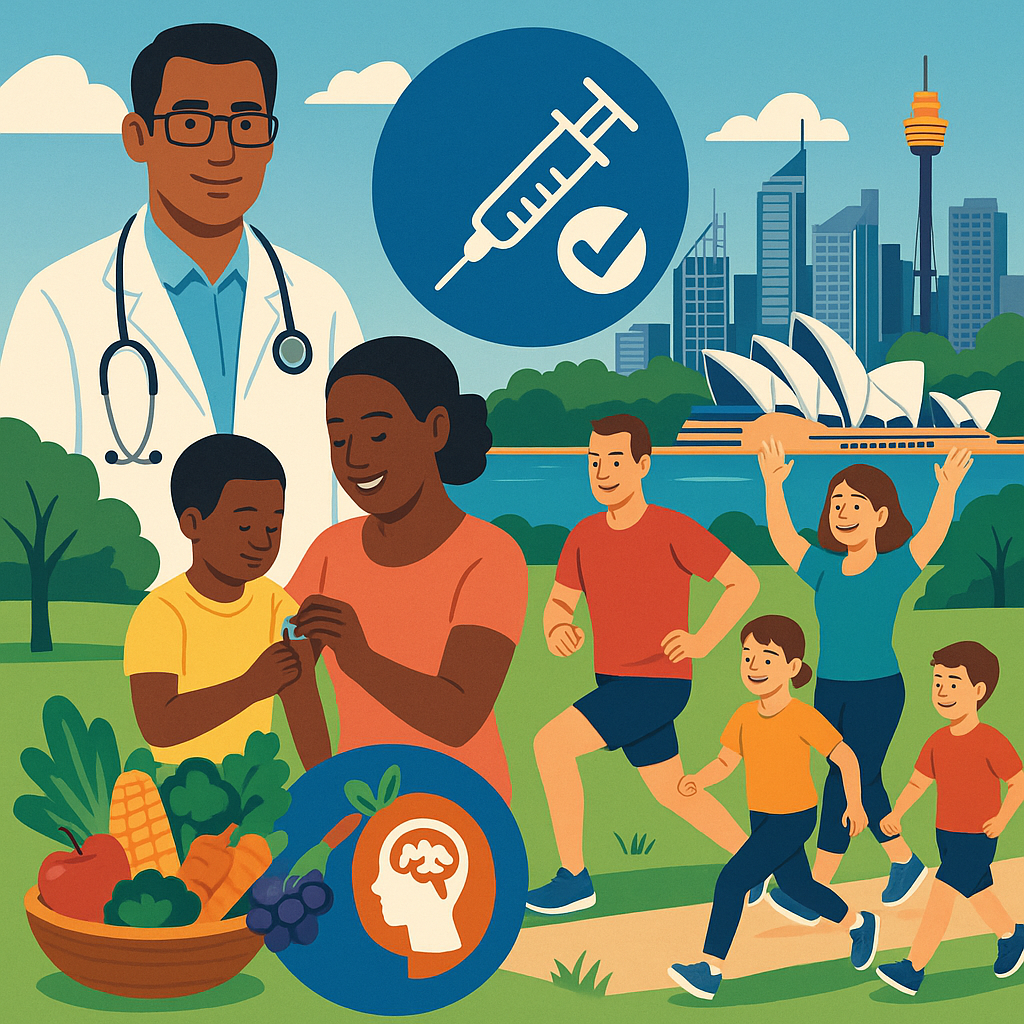
Public health policy in Australia places strong emphasis on preventing disease before it occurs. Rather than focusing only on hospitals and treatment, national and state governments invest in programs that encourage people to stay healthy. This preventive approach is reflected in long-term strategies such as the National Preventive Health Strategy 2021–2030, which seeks to reduce chronic disease, tackle risk factors like smoking and poor diet, and promote mental wellbeing. The guiding idea is that a healthier population not only lives longer and better but also reduces pressure and cost on the healthcare system.
One of the most visible pillars of Australian public health policy is vaccination. Through the National Immunisation Program, vaccines for diseases such as measles, polio, influenza, and human papillomavirus (HPV) are provided free to eligible groups, especially children and young people. Schools, community clinics, and general practitioners collaborate to ensure vaccine coverage remains high. Public campaigns explain vaccine safety, address misinformation, and remind parents of vaccination schedules. These efforts have helped Australia eliminate or dramatically reduce many infectious diseases that once caused significant sickness and death.
Chronic conditions such as heart disease, type 2 diabetes, and some cancers pose a different challenge. They develop over time and are closely linked with lifestyle factors: smoking, alcohol use, unhealthy eating, and lack of physical activity. To address this, health authorities run ongoing awareness campaigns. The famous “Slip! Slop! Slap!” message, for instance, encourages sun protection to reduce skin cancer, while anti-tobacco campaigns use graphic images and plain packaging to deter smoking. These are not isolated initiatives; they are backed by regulation, such as smoke-free public spaces and taxes on tobacco, which shape environments to make healthier choices easier.
Health literacy is another priority. Public health policy recognises that information alone is not enough; it must be accessible, understandable, and culturally appropriate. Materials are often translated into many languages to reach migrant communities, and programs are co-designed with Aboriginal and Torres Strait Islander organisations to respect cultural perspectives and address historical mistrust. Schools play a critical role by integrating health education into the curriculum, teaching children about nutrition, exercise, mental health, and sexual health from an early age.
Digital tools are increasingly used to spread awareness and support prevention. Government websites, online symptom checkers, and telehealth services help people access reliable information and advice. During outbreaks, such as seasonal flu or emerging infectious diseases, official channels share updates, prevention tips, and guidance about testing and isolation. This rapid communication is essential for building trust and ensuring that people follow public health recommendations. Overall, Australian public health policy seeks to weave prevention into daily life, combining education, regulation, and community engagement to create a healthier and more informed society.