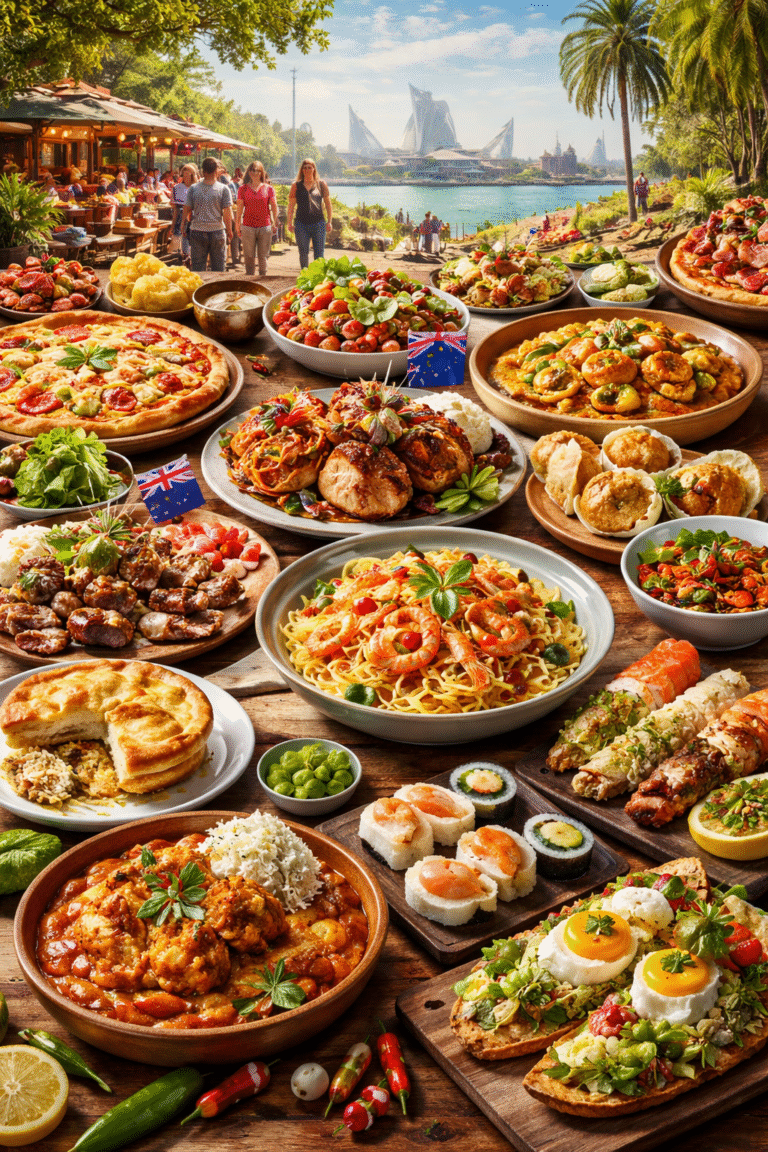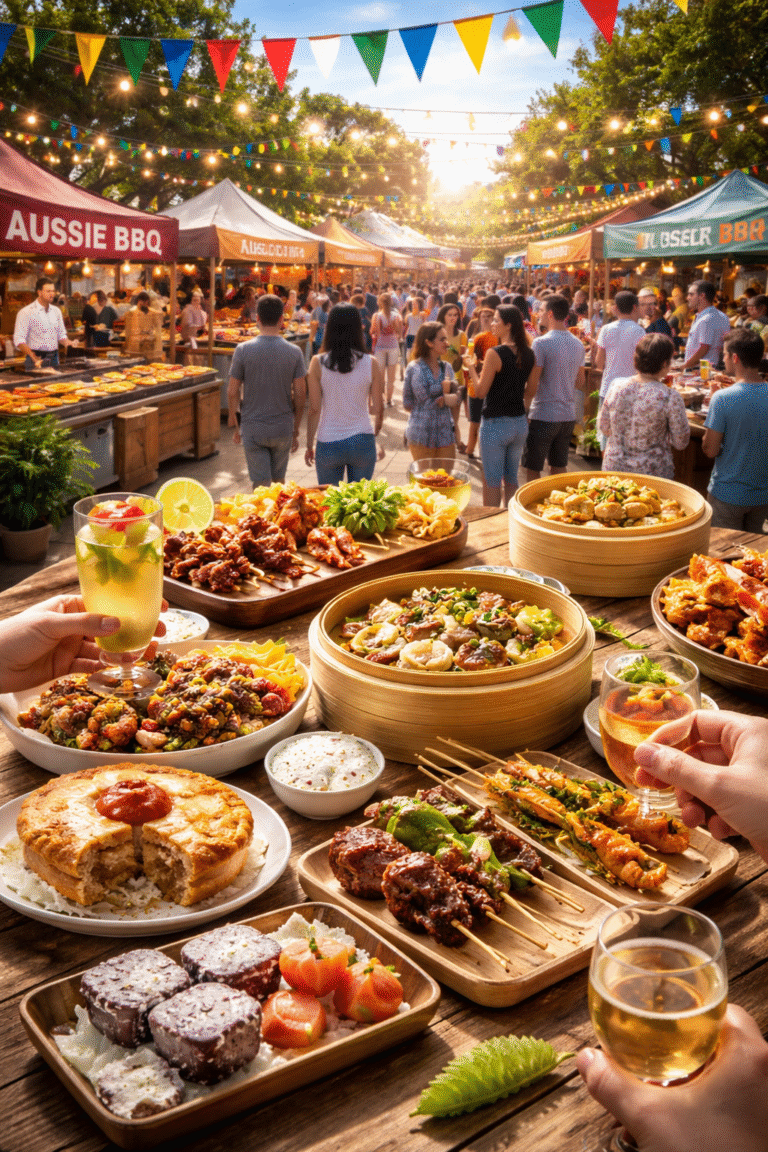



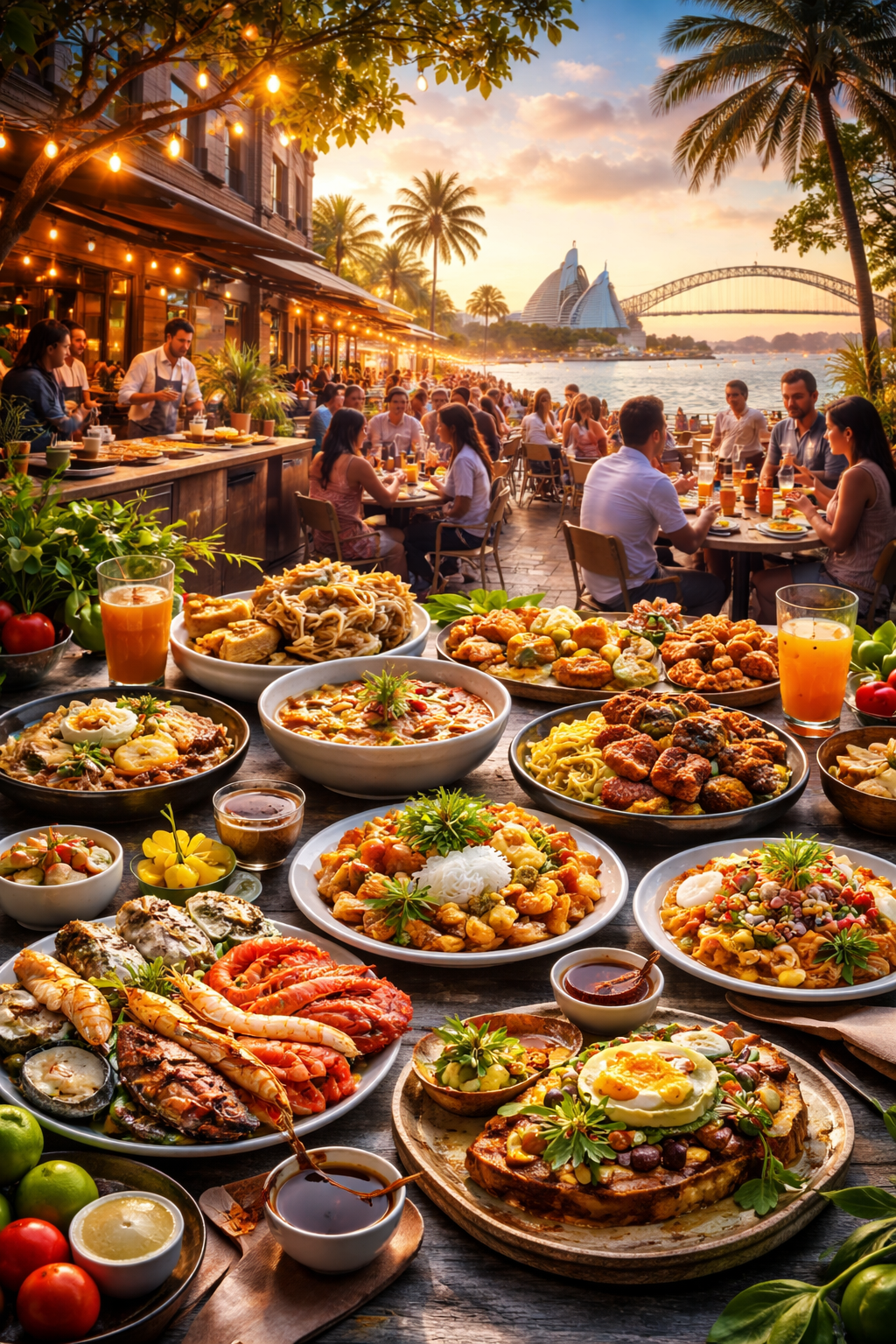
Sydney’s food scene is one of the clearest reflections of the city itself: multicultural, energetic, and constantly evolving. To understand culinary life in Sydney is to understand how migration, geography, creativity, and local produce have combined to create one of the most dynamic dining cultures in the Asia-Pacific region. The city is not defined by one flavor or one culinary tradition. Instead, it thrives on layers of influence, where old-world techniques, immigrant recipes, Australian ingredients, and contemporary experimentation all meet on the same table.
One of the most remarkable aspects of Sydney’s culinary identity is its multicultural foundation. Waves of migration have shaped the city over generations, bringing with them food traditions from China, Vietnam, Lebanon, Greece, Italy, India, Thailand, Korea, Japan, and many other parts of the world. These communities did not simply open restaurants; they transformed the way Sydney eats. Suburbs and districts across the city have become culinary destinations, each offering a different cultural lens. In many neighborhoods, diners can move from handmade dumplings to wood-fired pizza, from fragrant pho to modern Middle Eastern plates, often within a few city blocks.
Sydney’s coastal setting also plays a major role in defining local taste. Fresh seafood is central to the city’s food culture, and its proximity to the ocean has encouraged strong appreciation for ingredients such as oysters, prawns, crab, tuna, and a wide variety of fish. This emphasis on freshness extends far beyond seafood. The broader New South Wales region supplies restaurants and markets with seasonal fruit, vegetables, dairy products, and meats, allowing chefs to build menus around local abundance. In Sydney, ingredient quality is not treated as a luxury; it is often the starting point of the entire dining experience.
Another important feature of Sydney’s culinary life is its café culture. Brunch is almost a social institution in the city, and cafés are not just places to grab coffee on the way to work. They are neighborhood gathering spots where food, design, and hospitality come together. Menus often elevate simple dishes with careful sourcing and creative presentation. Avocado toast, poached eggs, sourdough, granola, and specialty coffee may sound familiar, but in Sydney they are often refined with a distinctly local style—fresh, bright, relaxed, and visually appealing. This everyday sophistication has helped shape the city’s broader food expectations.
Innovation is equally important. Sydney chefs are widely known for blending traditional cuisines with modern technique. Instead of treating culinary heritage as something fixed, many restaurants reinterpret it through new textures, seasonal substitutions, and Australian native ingredients such as finger lime, wattleseed, lemon myrtle, saltbush, and bush tomato. These ingredients add a regional identity to dishes that might otherwise feel imported, helping Sydney create food that is globally inspired but still unmistakably local.
The city’s dining culture also reflects changing consumer values. More restaurants now emphasize sustainability, ethical sourcing, reduced waste, and plant-forward cooking. Diners increasingly care about where ingredients come from, how they are produced, and whether businesses support local farmers and responsible practices. This has pushed chefs and restaurateurs to think beyond flavor alone and consider the broader story behind every plate.
What makes Sydney truly compelling is the way all these elements coexist. Fine dining restaurants, family-run eateries, bustling food markets, waterfront seafood spots, artisan bakeries, and experimental kitchens all contribute to the same culinary ecosystem. The result is a city where eating is not merely a routine necessity, but a meaningful part of cultural exchange, urban identity, and creative expression.