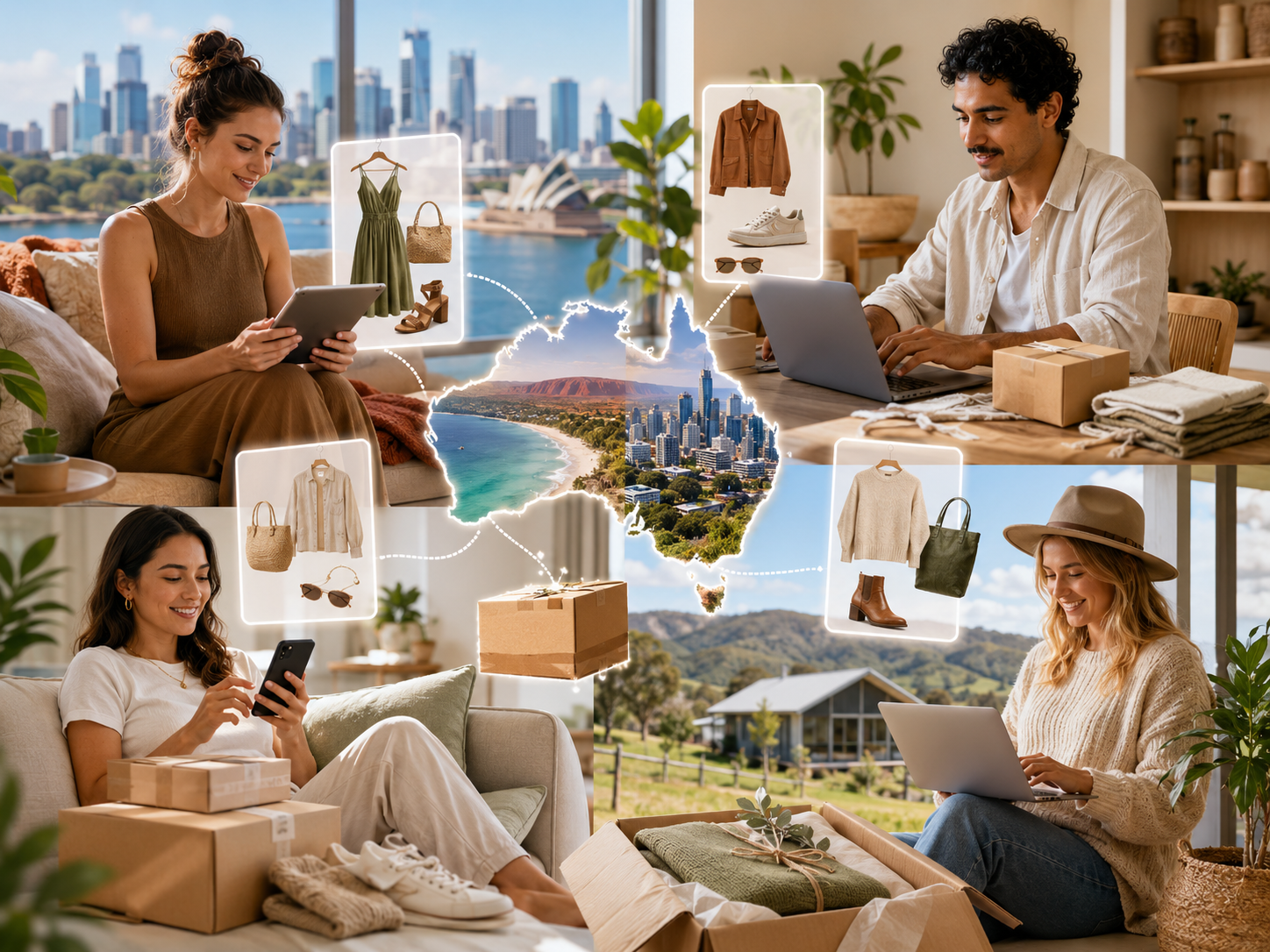
E-commerce has become one of the most influential forces shaping the fashion industry in Australia. In a country where cities are spread across vast distances and consumers often balance busy work, study, and family schedules, online shopping has made fashion more accessible than ever. Instead of visiting multiple stores in person, Australians can now browse thousands of clothing, footwear, and accessory options from their phones, tablets, or laptops.
One of the biggest advantages of e-commerce in Australian fashion is convenience. Customers can shop at any time, whether during a lunch break, after work, or late at night. This flexibility is especially useful for people living outside major fashion hubs such as Sydney, Melbourne, Brisbane, or Perth. Online platforms allow regional and rural consumers to access the same styles, brands, and seasonal collections available to shoppers in large metropolitan areas.
E-commerce also gives consumers a wider range of choices. Traditional stores are limited by physical space, but online retailers can display extensive collections across many categories, sizes, colours, and price points. Australian shoppers can compare local labels, international brands, luxury designers, sustainable fashion stores, and budget-friendly retailers in one place. This variety encourages stronger competition and pushes fashion businesses to improve product quality, pricing, and customer experience.
Another important role of e-commerce is personalisation. Many online fashion platforms use customer data, browsing behaviour, and purchase history to recommend products that match individual preferences. For example, a shopper who often buys minimalist clothing may be shown neutral-toned outfits, while someone interested in activewear may receive suggestions for leggings, sneakers, or sports tops. This personalised experience makes online shopping faster and more relevant.
The rise of mobile commerce has strengthened this transformation. Many Australian consumers now shop directly through mobile apps or social media platforms. Fashion brands use Instagram, TikTok, Facebook, and Pinterest to showcase new collections, styling ideas, influencer collaborations, and limited-time promotions. Social commerce has made fashion more interactive, allowing customers to discover trends, read reviews, watch try-on videos, and purchase products within a few clicks.
E-commerce has also helped smaller Australian fashion businesses grow. Independent designers and boutique labels no longer need expensive retail locations to reach customers. By using online stores, digital marketing, and marketplace platforms, emerging fashion brands can sell nationwide and even internationally. This has created more opportunities for creative entrepreneurs and has made the Australian fashion scene more diverse.
However, online fashion shopping also brings challenges. Sizing issues remain a common concern because customers cannot physically try on garments before buying. To solve this, many retailers provide detailed size guides, customer reviews, model measurements, virtual fitting tools, and flexible return policies. Fast delivery and simple returns are now essential parts of the online fashion experience.
Sustainability is another growing focus. Australian consumers are becoming more aware of ethical production, textile waste, and environmental impact. E-commerce platforms are responding by offering eco-friendly collections, second-hand fashion, rental clothing, and transparent product information.
Overall, e-commerce has changed Australian fashion by making shopping easier, broader, and more customer-focused. It connects consumers with more brands, supports local designers, and allows fashion businesses to operate beyond the limits of physical stores.