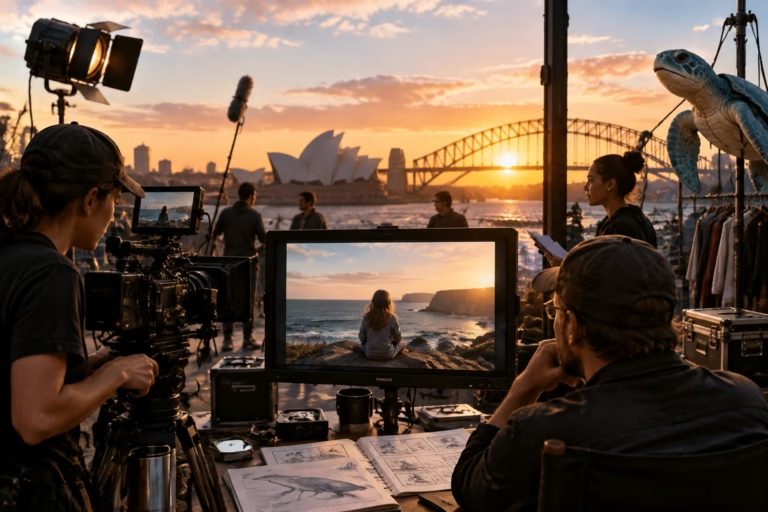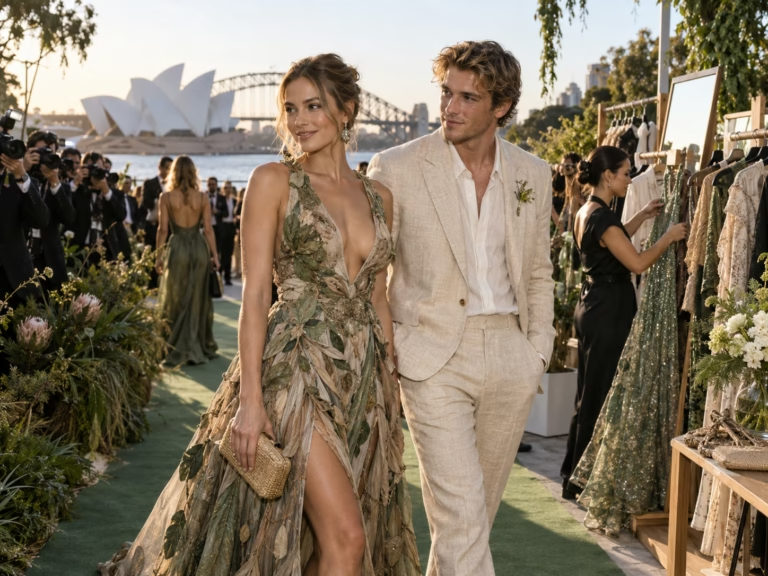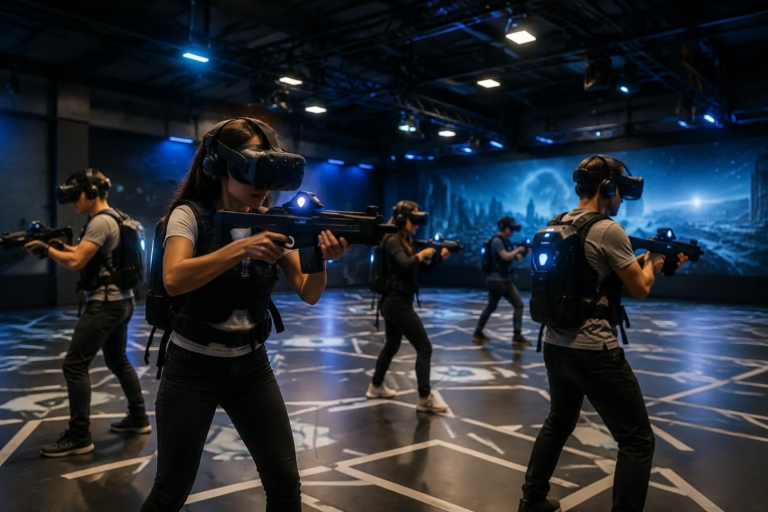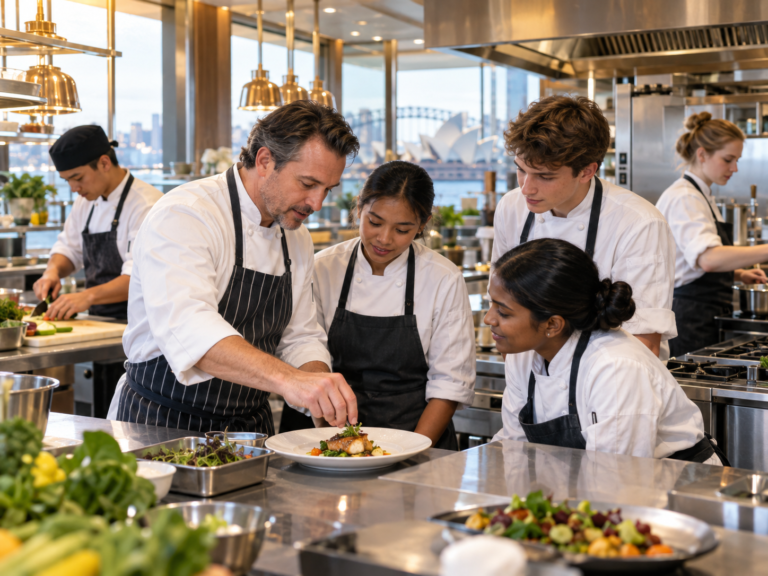
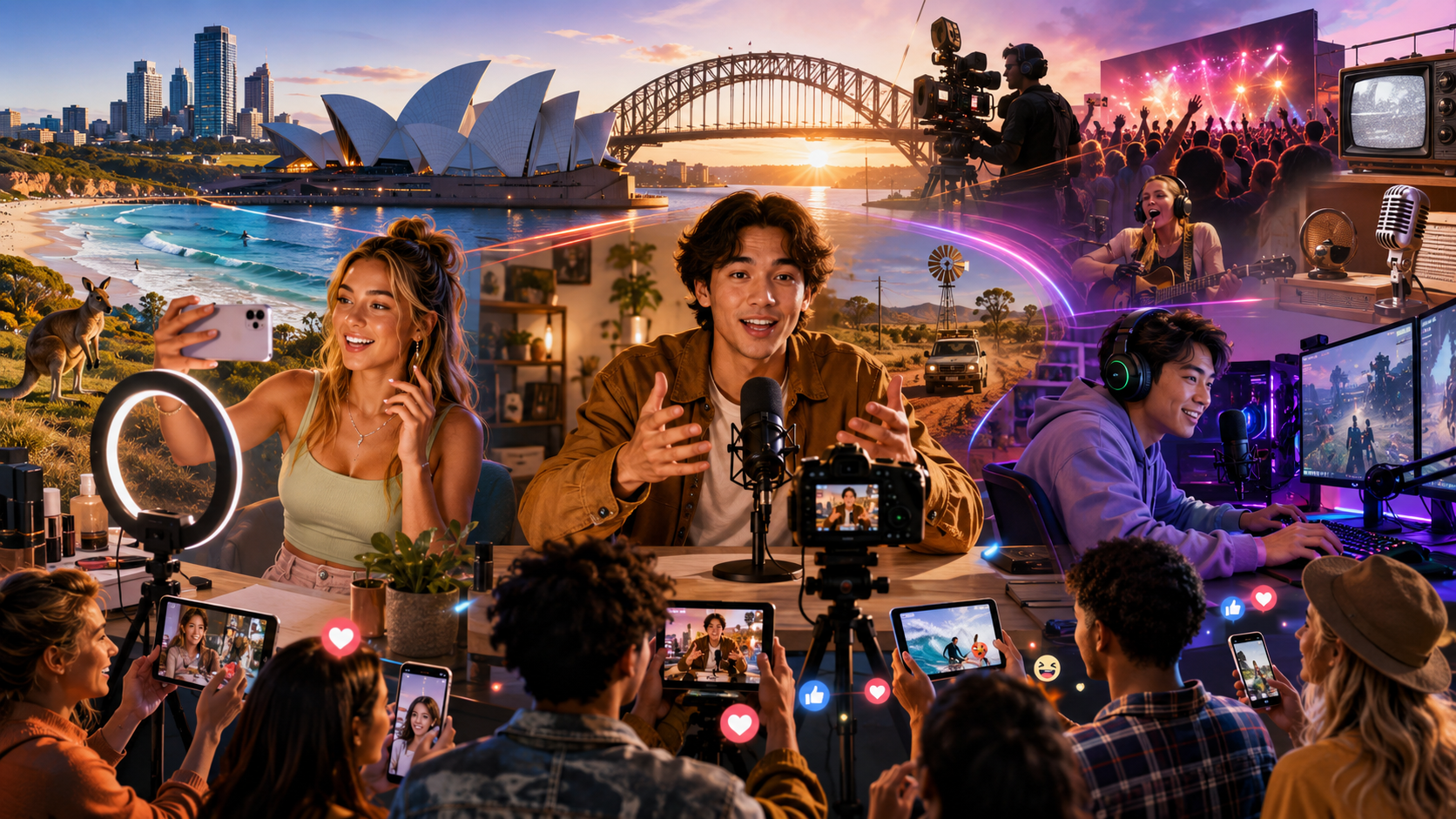
Influencers and YouTubers have become an important part of the entertainment landscape in Australia. In the past, entertainment was mostly shaped by television networks, radio stations, film studios, newspapers, and celebrity magazines. Today, digital creators can build large audiences directly through platforms such as YouTube, Instagram, TikTok, podcasts, livestreams, and short-form video apps. This shift has changed how Australians discover entertainment, interact with public figures, and participate in popular culture.
One major role of influencers and YouTubers is making entertainment more accessible. Audiences no longer need to wait for scheduled television programs or traditional media coverage. A viewer in Sydney, Melbourne, Brisbane, Perth, Adelaide, or a regional town can watch creator-made content at any time. YouTubers who produce comedy sketches, gaming videos, lifestyle vlogs, travel content, music reactions, beauty tutorials, or sports commentary provide entertainment that feels immediate and personal. This on-demand format suits modern viewing habits, especially among younger Australians who often prefer mobile-first content.
Australian influencers also help shape trends. Fashion choices, slang, music tastes, food spots, travel destinations, fitness routines, and entertainment recommendations can spread quickly when promoted by a creator with a loyal audience. Unlike traditional celebrities, influencers often appear more relatable because they share daily routines, personal opinions, behind-the-scenes moments, and direct conversations with followers. This sense of closeness gives them strong cultural influence.
YouTubers play a particularly powerful role because long-form video allows deeper storytelling. Australian creators can present travel documentaries, personal journeys, interviews, social experiments, educational entertainment, and reviews in ways that feel less formal than television. Many viewers trust creators because they show personality, mistakes, humour, and honest reactions. This trust can make their recommendations more persuasive than standard advertising.
The entertainment industry in Australia has also benefited commercially from influencer culture. Brands, streaming services, music labels, tourism campaigns, event organisers, and film distributors often collaborate with creators to reach specific communities. For example, a beauty influencer may promote a cosmetics launch, a gaming YouTuber may preview a new title, or a travel vlogger may highlight Australian destinations. These partnerships help entertainment companies speak to audiences in a more targeted and conversational way.
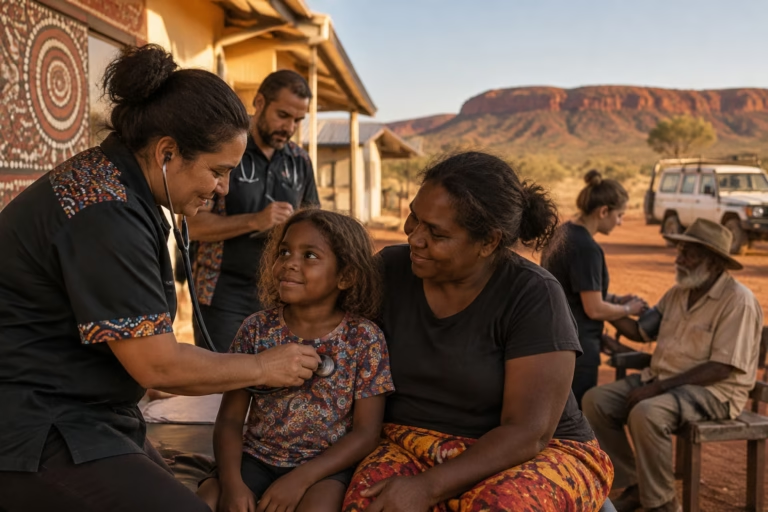
Influencers have also opened space for diverse representation. Traditional entertainment has not always reflected the full variety of Australian society. Online platforms allow creators from multicultural communities, Indigenous backgrounds, communities, regional areas, and niche subcultures to build audiences without needing approval from major studios. This gives viewers more voices, stories, accents, identities, and experiences to connect with.
However, the influence of digital creators also brings challenges. Sponsored content must be transparent, and audiences need to understand when a recommendation is paid promotion. There are also concerns about unrealistic lifestyles, online pressure, misinformation, and the mental health impact of constant visibility. Successful creators must balance entertainment with responsibility, authenticity, and ethical communication.
Overall, influencers and YouTubers have transformed entertainment in Australia by making it more interactive, personal, diverse, and commercially flexible. They are not simply internet personalities; they are performers, storytellers, marketers, community builders, and trendsetters. Their influence continues to grow because they understand how modern audiences want to be entertained: directly, honestly, and in a way that feels connected to everyday life.