Backpacking in Australia often looks intimidating at first glance. The distances are huge, cities are spread far apart, and everyday costs can feel high compared to more traditional backpacker destinations in Southeast Asia or parts of Europe. But the reality is more flexible than it seems. With the right planning, Australia can still be explored on a budget without sacrificing meaningful experiences.
The key is not trying to “see everything,” but choosing a realistic route and spending intentionally. Many first-time travelers overspend not because Australia is impossible to afford, but because they underestimate distances, book last-minute accommodation, or try to combine too many regions in a short time.
Before planning anything, it’s worth checking official information such as visa requirements on the Australian Government site: https://immi.homeaffairs.gov.au/visas/getting-a-visa/visa-finder and general travel guidance at https://www.australia.com/.
Start with a realistic route, not a long checklist
One of the biggest mistakes backpackers make in Australia is planning by attraction instead of geography. On a map, Sydney, Melbourne, Brisbane, and Cairns might look “connected,” but in reality, each transition requires hours of travel and often a significant cost.
For a first trip, it is smarter to focus on one corridor.
A classic beginner route is Sydney to Melbourne. Both cities are well connected, full of hostels, and offer a strong mix of urban life, nature, and cultural experiences. Between them, you can add optional stops like the Blue Mountains or coastal towns depending on your pace.
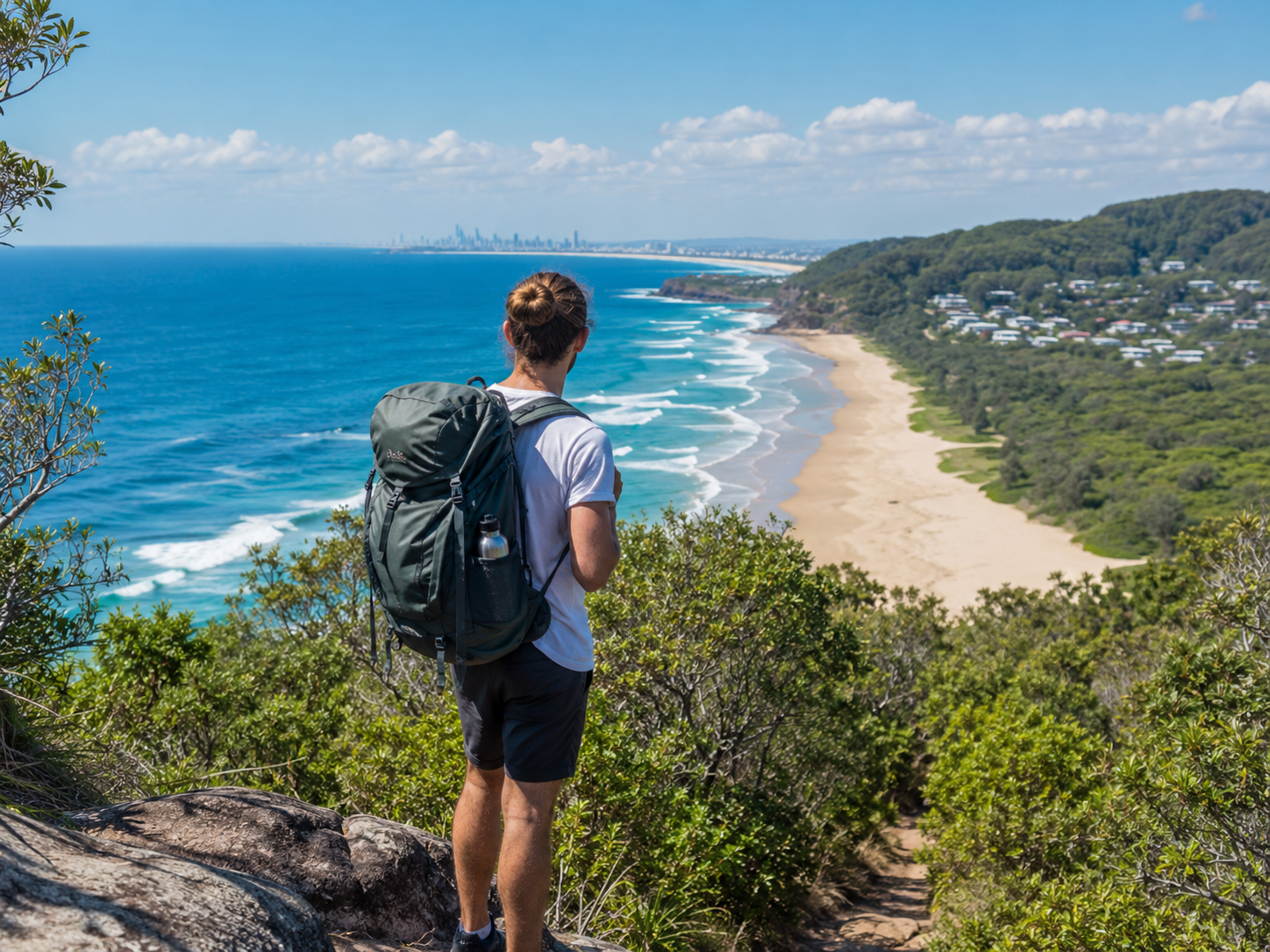
Another popular route is the East Coast stretch from Sydney or Brisbane up toward Cairns. This route is famous for beaches, surf towns, and island trips. It is also where many backpackers overspend by booking too many tours. A better approach is to pick one or two highlight experiences (like snorkeling or a reef trip) and balance them with free coastal walks, beaches, and public parks.
A useful planning rule is simple: always calculate travel time first, not distance. Australia rewards slower travel. A “cheap flight” between cities can easily become expensive once you add baggage, airport transfers, and time lost.
Where your budget actually goes: sleep, food, and transport
Most backpacking costs in Australia fall into three categories: accommodation, food, and transport between cities.
Hostels are usually the most practical option. They are not always the cheapest per night, but they offer kitchens, laundry, social spaces, and location advantages that can reduce overall spending. A hostel near public transport and supermarkets often saves more money than a cheaper one in a remote area.
When choosing a hostel, focus less on price alone and more on practical details: kitchen access, cleanliness, locker availability, and recent reviews. A well-located hostel reduces transport costs and makes it easier to cook your own meals.
Food is where small decisions make a big difference. Cooking a few meals in a hostel kitchen can significantly reduce daily expenses. Supermarkets like Coles, Woolworths, and Aldi are widely available and offer simple ingredients for budget meals like pasta, rice bowls, eggs, wraps, and fruit. It’s not about eating cheaply all the time, but about balancing: cook most meals, and occasionally enjoy local cafés or restaurants.
Transport inside cities is relatively manageable. Sydney, Melbourne, Brisbane, Perth, and Adelaide all have public transport systems that are far more budget-friendly than taxis or rideshares. Each city uses its own payment system, so it helps to check details before arrival.
For intercity travel, compare buses, trains, domestic flights, and sometimes car-sharing. Overnight buses can save accommodation costs but are physically tiring. Flights can look cheap but often come with hidden extras. Always calculate the total door-to-door cost, not just the ticket price.
Free experiences matter more than you think
One of the best parts of backpacking in Australia is that many of its most memorable experiences are free or low-cost.
In Sydney, walking the Bondi to Coogee coastal trail is one of the most rewarding experiences and costs nothing. The Royal Botanic Garden, Circular Quay, and The Rocks area also offer excellent views and atmosphere without requiring spending. Public ferries can also be surprisingly affordable ways to see the harbour.
In Melbourne, the city itself is the attraction. Laneways filled with street art, free galleries, public parks, and neighborhood walks in Fitzroy or Carlton give a strong sense of local culture without entry fees.
Nature is another major advantage. Beaches, coastal trails, national parks, and public lookouts are widely accessible. Some parks may require small entry or parking fees depending on the state, so it’s worth checking official park information via https://www.dcceew.gov.au/parks-heritage/national-parks before visiting.
Wildlife experiences are possible without expensive tours, but expectations should be realistic. You might see parrots, possums, or even kangaroos in certain areas, but nothing is guaranteed. The best experiences often come from simply spending time in natural spaces rather than booking structured “wildlife packages.”
A good rule for paid activities is simple: choose experiences you cannot replicate elsewhere. A reef trip, surf lesson, or cultural tour may be worth it. But paying for every attraction quickly drains a budget without adding much value.
A realistic 10-day backpacker rhythm
For first-time travelers, a 10-day itinerary covering Sydney and Melbourne is often more rewarding than trying to cross half the country.
In Sydney, the first few days can focus on iconic but free or low-cost experiences. Walking through Circular Quay, visiting the Opera House area, exploring The Rocks, and spending time in the Royal Botanic Garden gives a strong introduction to the city. A full day can be dedicated to the Bondi to Coogee walk, which combines exercise, beaches, and coastal scenery in one route. If time allows, a trip to the Blue Mountains adds a nature contrast.
In Melbourne, the pace feels different. The city is more about neighborhoods and atmosphere. Days can be spent exploring laneways, visiting street art areas, and moving between Fitzroy, Collingwood, and the central business district. A beach day in St Kilda adds variety, and markets offer a slower, more local experience.
If budget allows, one structured day trip like the Great Ocean Road can be a highlight. However, it should not replace time spent exploring the city itself.
Leaving one flexible day at the end of the trip is often underestimated. It helps absorb delays, rest, do laundry, or adjust plans based on weather or new travel ideas.
Mistakes that quietly increase your costs
The most common mistake is overplanning. Trying to fit Sydney, Melbourne, Brisbane, Cairns, Uluru, and Perth into a short trip leads to high transport costs and constant rushing.
Another issue is booking accommodation too late during busy seasons. Prices can rise quickly during holidays or major events, and availability becomes limited. Booking the first part of your trip in advance usually prevents unnecessary stress.
Food spending is another hidden budget leak. Frequent small purchases like coffee, snacks, and takeaway meals add up quickly without feeling significant in the moment. Cooking simple meals most of the time makes a noticeable difference.
Many travelers also underestimate baggage rules for domestic flights. Cheap fares often exclude checked luggage, and backpackers typically carry more than expected. Always check full fare conditions before booking.
Finally, weather and safety conditions should not be ignored. Australia has strong sun exposure, changing coastal conditions, and seasonal risks in some regions. Always follow local guidance, especially at beaches and in national parks.
Practical habits that make travel easier
Packing light is more useful than packing “just in case” items. A comfortable backpack, reusable water bottle, sunscreen, basic clothing layers, and a power adapter are usually enough. Most hostels offer laundry facilities, so carrying less actually improves flexibility.
Staying in accommodation with a kitchen is one of the simplest ways to control costs. It also creates social opportunities, since hostel kitchens are often where travelers meet and share plans.
Walking is underrated in Australian cities. It helps you understand neighborhoods, discover free spots, and avoid unnecessary transport spending.
Most importantly, always check official information before decisions that involve visas, transport rules, or national park access. Conditions change, and relying on outdated blogs can lead to unnecessary costs or confusion.
FAQ
Is Australia expensive for backpackers?
It can be, but costs are manageable with slow travel, shared accommodation, and cooking your own meals.
What is the cheapest way to travel in Australia?
Within cities, public transport is usually best. Between cities, buses or budget flights can work depending on distance and timing.
Do I need a car to backpack Australia?
Not for major cities or popular routes. Public transport and buses are enough for most first-time itineraries.
How many days do I need for Australia?
Around 10 to 14 days is enough for a focused first trip covering two major cities and a few side experiences.
What should I book before arriving?
At minimum, your first accommodation, visa approval, and basic travel insurance.