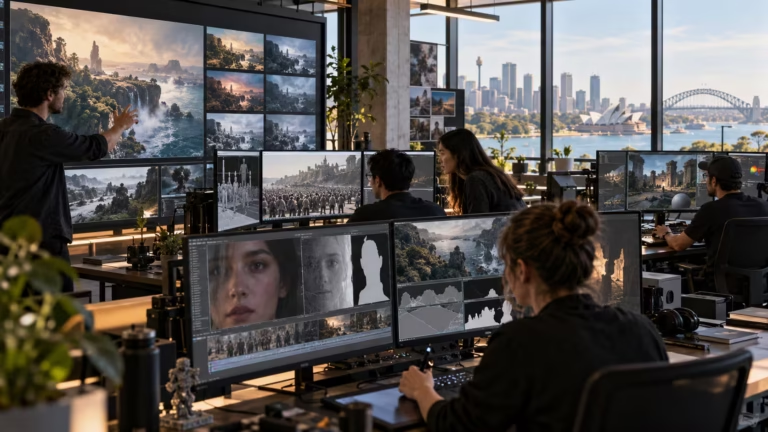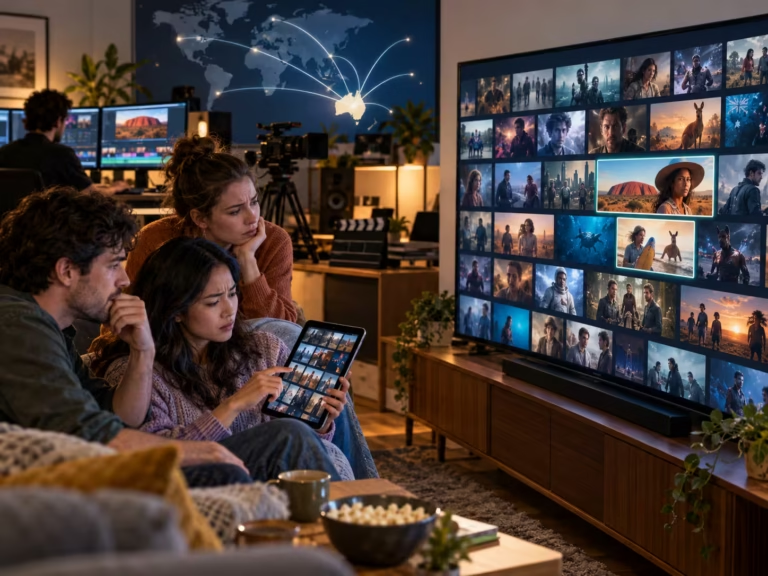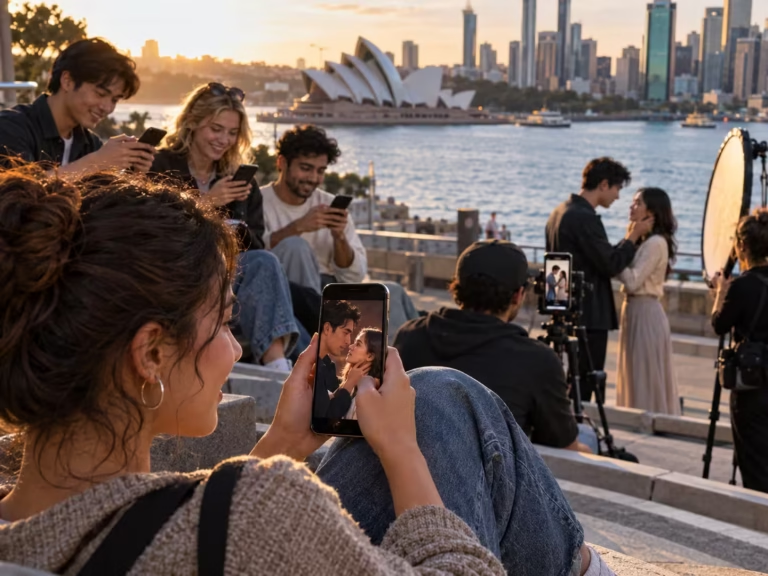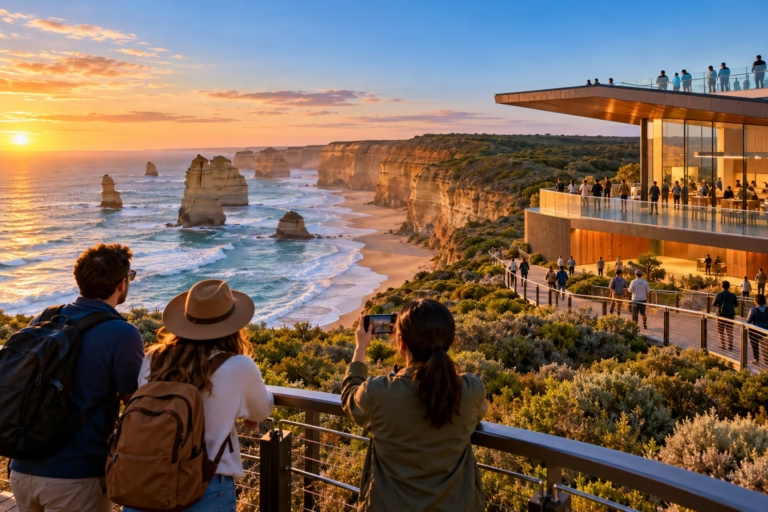
The intersection of entertainment and fashion in Australia is no longer just a cultural footnote; it has evolved into a multi-billion-dollar economic engine. As global interest in the “Aussie aesthetic” peaks, the symbiotic relationship between film, television, and haute couture is redefining the country’s export market and digital influence.
The “Screen-to-Street” Economic Model
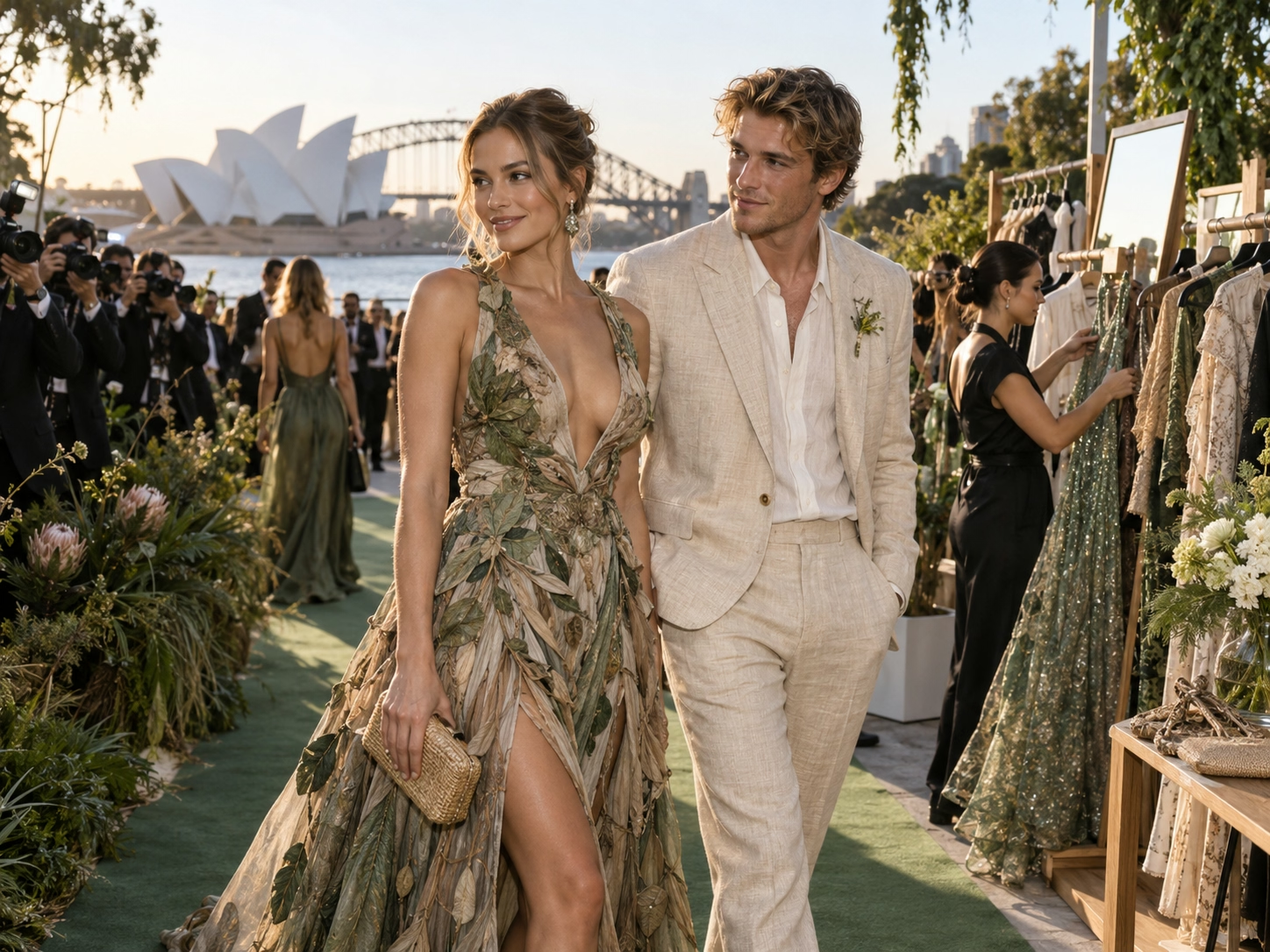
The modern Australian entertainment industry operates on a “screen-to-street” model. When a leading actor from a major streaming series wears a Zimmermann dress or a Chris Esber suit, the economic impact is immediate and measurable. This phenomenon has transitioned from simple product placement to a sophisticated marketing vertical.
According to recent industry analysis, the Australian fashion sector is projected to generate approximately $27.5 billion in revenue in 2026, with the “influencer and celebrity-driven” segment being the fastest-growing category. This growth is largely fueled by the international success of Australian television productions on platforms like Netflix and Stan. These shows serve as global runways, exposing local designers to audiences in the United States, Europe, and Asia. For a detailed breakdown of these market movements, the IBISWorld industry report on Australian Fashion (updated for the 2026 fiscal year) highlights that digital integration and celebrity endorsements are the primary drivers of resilience against retail downturns.
Digital Disruption and the Micro-Celebrity
While A-list film stars like Margot Robbie and Chris Hemsworth dominate headlines, the mid-tier of the entertainment industry—reality TV personalities and music artists—drives the highest conversion rates. The rise of the “micro-celebrity” has democratized fashion influence. A single Instagram story from a participant of Married at First Sight Australia wearing a boutique Melbourne label can cause a sell-out within 24 hours.
This has forced legacy fashion houses to pivot. Sydney and Melbourne Fashion Weeks are no longer just trade events; they are content farms designed for social media algorithms. The designers who succeed are those who understand that the value of a garment on the runway is multiplied exponentially when it is photographed on a trending musician outside a radio station or a soap opera star at a café.
The Investment in Local Talent
The financial influx from the entertainment industry has allowed Australian designers to resist the fast-fashion race to the bottom. Instead, there is a renewed investment in sustainable textiles and artisanal craftsmanship, because the celebrity clientele demands exclusivity and ethical production. The “quiet luxury” trend—characterized by high-quality fabrics and subtle branding—finds a natural home in Australian fashion, which has historically leaned on effortless elegance rather than loud logos.
The future of the Australian fashion industry relies heavily on maintaining this cultural cachet. As long as Australian entertainment remains a dominant force in global streaming charts, the nation’s designers will continue to enjoy unprecedented visibility, turning cultural influence into hard economic currency.