The Hidden Cost of Overordering
Australian fashion has a numbers problem, and those numbers are piling up in warehouses and landfill sites. More than 220,000 tonnes of clothing and textiles are sent to Australian landfill each year, with less than 5 per cent of textiles recycled domestically. The root cause is not simply consumer discard; it is structural. Offshore manufacturers impose minimum order requirements that force Australian labels to order up to 30 per cent more garments than they can sell, while unsold clothing volumes climb by roughly 17 per cent year on year.
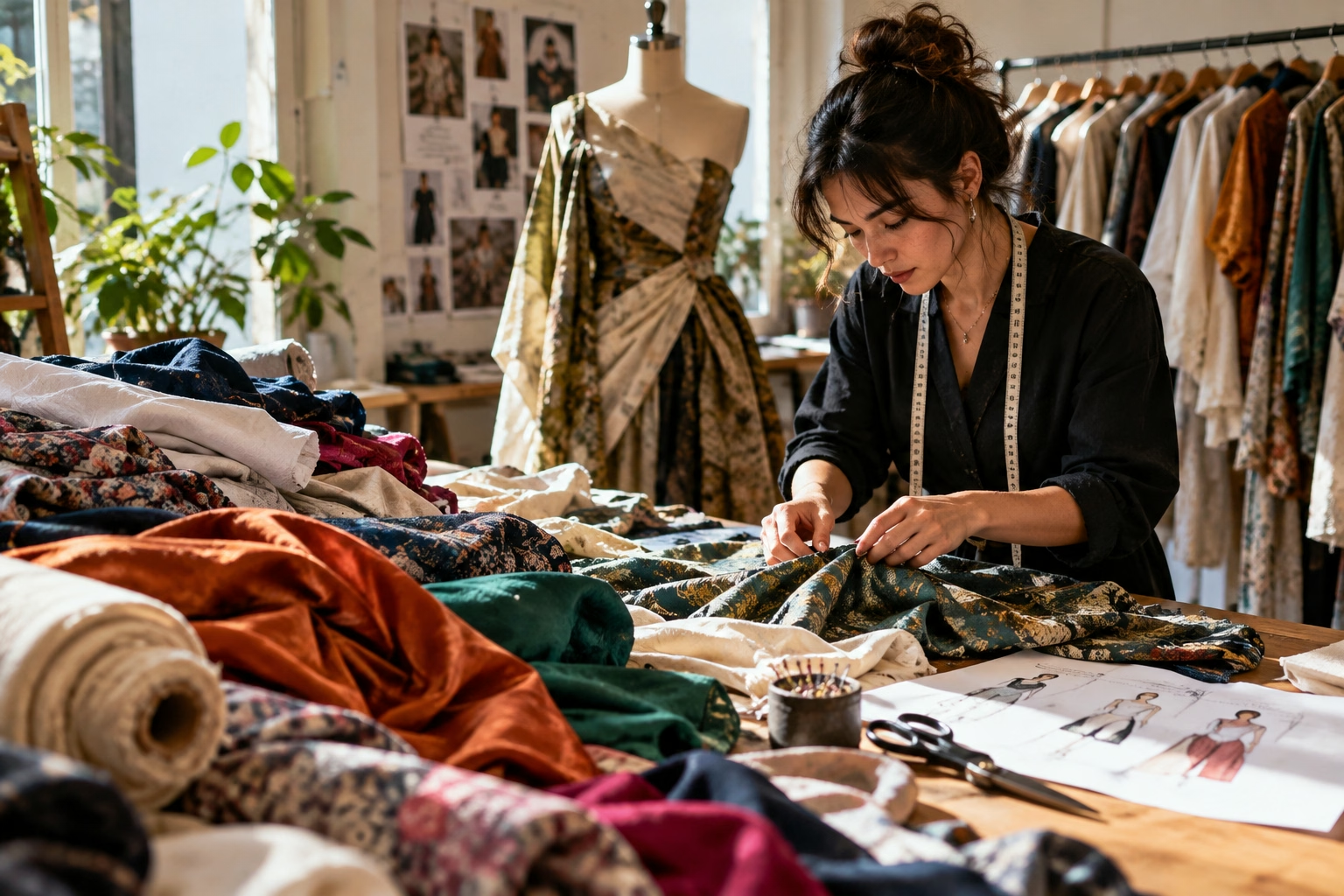
That excess is the raw material of a new value chain. Deadstock fabric—rolls of surplus cloth left over from overproduction, cancelled orders, or mill minimums—is no longer treated as a liability. A growing cohort of Australian designers and manufacturers is reframing it as a premium input: limited-edition, traceable, and impossible to mass-replicate.
From Warehouse Liability to Runway Asset
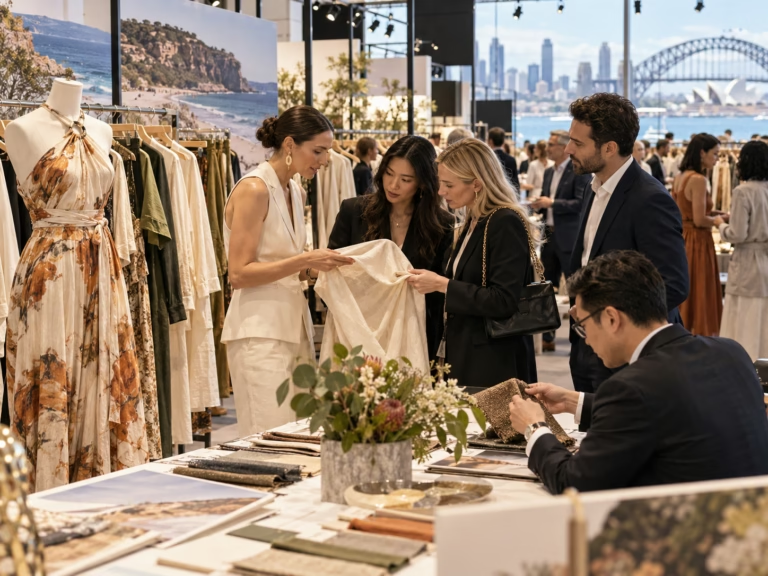
At Australian Fashion Week 2026, the shift was visible on the runway rather than buried in sustainability reports. Designers sent out elegant eveningwear cut from deadstock fabrics and sharply tailored separates made from locally sourced materials, signalling that desirability and environmental responsibility can occupy the same garment. The mood was not austerity; it was quiet luxury with a provenance story.
The commercial logic is equally sharp. Paula Mackenzie, former managing director of Sass & Bide, notes that Australian fashion has been overbuying for years, and that dead stock, heavy markdowns, and margin erosion have been “killing businesses”. Deadstock reverses that equation. Instead of discounting surplus, designers convert it into short-run collections that command full price because scarcity is built into the material itself.
The Data Behind the Opportunity
The 2026 Financial Review Sustainability Leaders recognised Seamless, Australia’s national clothing stewardship scheme, for its Circular Clothing Textiles Fund, which coordinates industry action to divert clothing from landfill. Seamless CEO Ainsley Simpson describes the problem bluntly: “The clothing system is just not designed to handle the volume and the speed of clothing moving through our markets”. Deadstock utilisation does not solve that system alone, but it creates a practical bridge—keeping quality fabric in circulation while brands redesign their production volumes.