

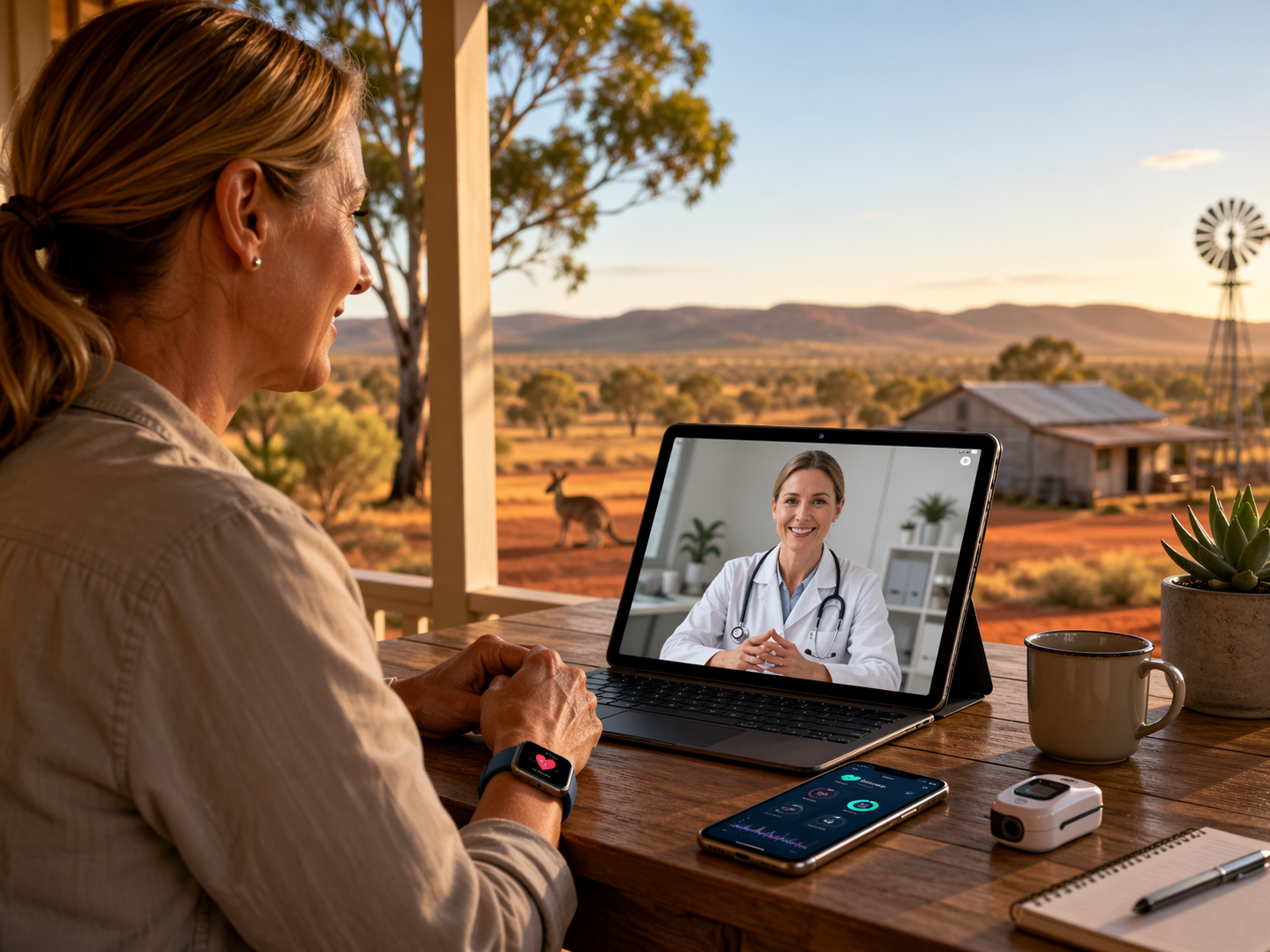
Australia has embraced digital health solutions in recent years, with telemedicine becoming a crucial component of the healthcare system. This approach has revolutionized access to medical services, allowing individuals in rural and remote regions to connect with healthcare professionals virtually. In addition to improving convenience, telemedicine also enhances healthcare accessibility, particularly for populations who face barriers due to geography or physical mobility.
Telemedicine in Australia is primarily defined as the delivery of healthcare services via telecommunications technology. This includes video consultations, phone calls, and even text-based communication between patients and healthcare providers. These services are vital for individuals in remote areas, as they enable them to access specialists without the need to travel long distances. The COVID-19 pandemic accelerated the adoption of telemedicine in Australia, as it allowed people to receive medical advice while adhering to social distancing protocols.
One of the key benefits of telemedicine is its ability to reduce the strain on Australia’s overburdened healthcare system. With the rising demand for medical services, telemedicine offers a way to alleviate pressure on hospitals and clinics, enabling healthcare providers to manage consultations more efficiently. Furthermore, telemedicine reduces travel time for patients, particularly those in rural communities where healthcare facilities are limited, thereby enhancing overall patient satisfaction.
The Australian government has also played a significant role in promoting telemedicine. Programs such as the Medicare Benefits Schedule (MBS) have expanded telehealth services to include virtual consultations. Through this program, patients can claim Medicare rebates for telehealth services, making them more affordable and accessible. This initiative has been especially beneficial for individuals with chronic conditions, mental health issues, or those requiring ongoing care, as they can regularly consult healthcare professionals without leaving their homes.
Remote healthcare services extend beyond telemedicine and include a range of digital tools such as wearable health devices and mobile apps. These tools enable continuous monitoring of patients’ vital signs, providing doctors with real-time data to make informed decisions about treatment plans. For example, individuals with diabetes can use glucose monitoring devices that sync with mobile apps, allowing healthcare providers to track their blood sugar levels remotely. Such innovations are crucial in improving patient outcomes and reducing the need for in-person visits.
However, despite the significant advantages, there are challenges associated with telemedicine in Australia. Issues such as technological barriers, internet connectivity problems, and the digital divide in remote communities can hinder the widespread adoption of telehealth services. Additionally, while telemedicine has grown, there remains a need for proper training and support for both patients and healthcare professionals to ensure its effectiveness. Addressing these barriers is crucial to ensuring that telemedicine continues to evolve as an inclusive, accessible healthcare option for all Australians.
As telemedicine continues to evolve, there is potential for further integration with other digital health initiatives, such as electronic health records and artificial intelligence (AI). This integration would improve the accuracy and efficiency of diagnoses and treatment, benefiting both patients and healthcare providers. Overall, telemedicine and digital health services are shaping the future of healthcare in Australia, providing innovative solutions that break down traditional barriers to access.