The New Urban Uniform: A Fusion of Precision and Calm
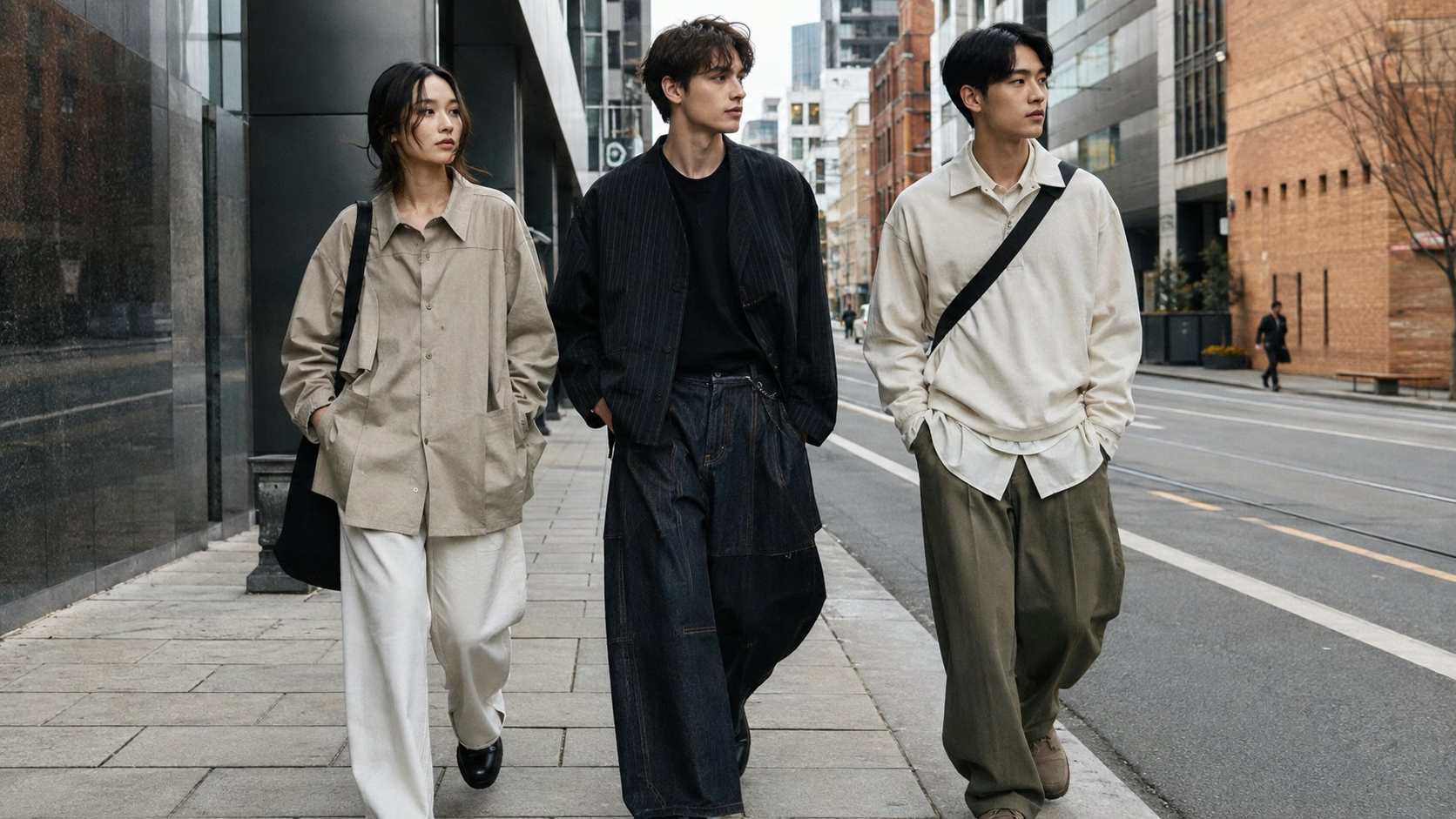
The landscape of Australian urban fashion has undergone a profound transformation. No longer solely defined by surf culture or European tailoring, the streets of Sydney and Melbourne are now vibrant canvases displaying a sophisticated fusion of Asian aesthetics. This shift is driven by a generation of designers and consumers who value narrative, quality, and a unique form of self-expression that looks east for inspiration. The result is a new urban uniform that balances the deliberate, often deconstructed nature of Japanese design with the serene functionality of Korean minimalist style.
The Craftsmanship Revolution from Tokyo
The influence from Japan, particularly the Harajuku and Shibuya districts, has moved beyond fleeting trends to embed a deep appreciation for craftsmanship within the Australian fashion psyche. Local labels are increasingly adopting the Japanese philosophy of monozukuri—pride in making things well. This is evident in the use of premium, often raw or selvedge denim, intricate stitching, and oversized, architectural silhouettes that challenge conventional Western tailoring. Australian consumers are now more discerning, favoring investment pieces that tell a story of artisanship over disposable fast fashion. This shift is a direct counter-response to the homogenization of global retail, offering a sense of authenticity and permanence.
The Rise of “Quiet Luxury” with a Seoul Twist
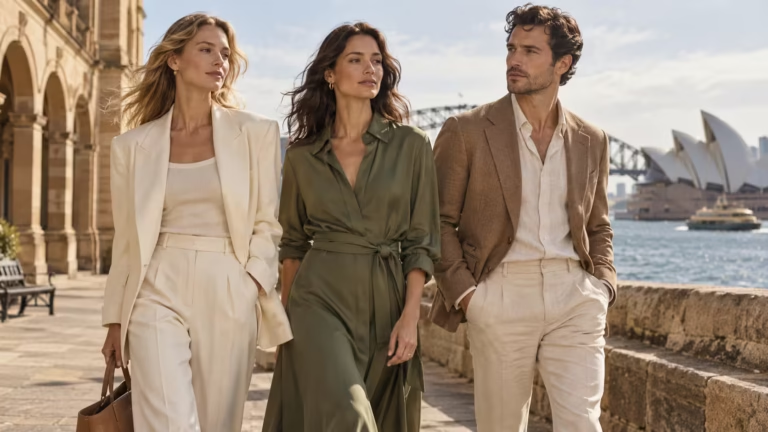
Simultaneously, the Korean wave, or Hallyu, has cemented its influence by championing a distinct brand of “quiet luxury.” This aesthetic, favored by K-pop idols and Korean drama stars, emphasizes neutral palettes, fluid lines, and high-quality fabrics that drape effortlessly. In Australia, this translates to a move away from loud branding towards subtle elegance. Think tailored wide-leg trousers, oversized cashmere-blend knits, and structured yet soft outerwear. This style is not just about looking good; it’s a lifestyle statement prioritizing comfort and understated confidence. The integration of this aesthetic has been so seamless that it now forms the backbone of many contemporary Australian workwear and smart-casual collections.
A Data-Driven Cultural Shift
The depth of this cultural integration is measurable. According to a 2026 report from the Australian Fashion Council, imports of high-quality textiles and finished garments from Japan and South Korea have increased by 34% since 2023. More importantly, the report highlights that 68% of Australian fashion consumers aged 18-35 now identify “Asian-inspired design” as a key factor in their purchasing decisions, prioritizing it over traditional European influences.
Beyond Imitation: An Authentic Australian Interpretation
The most compelling development is that Australian designers are not simply copying Asian styles; they are synthesizing them with local sensibilities. The result is a unique hybrid: the relaxed, breathable fabrics suited to the Australian climate combined with Japanese structural integrity, and the easy-going Australian attitude fused with Korean polish. This authentic interpretation ensures the influence is not a passing fad but a foundational element of a new, distinctly modern Australian identity. The conversation has moved from appropriation to genuine appreciation and creative dialogue, ensuring the relationship between these fashion cultures will continue to evolve and enrich the global style narrative.