Australia’s love affair with pre-loved clothing has shifted from a niche hobby to a mainstream retail force. In 2026, the vintage fashion sector is no longer simply about hunting for a bargain. It is a deliberate lifestyle choice shaped by economic pressure, environmental awareness, and a hunger for individuality. The latest industry data confirms this acceleration. According to the 2026 Resale Report by ThredUp, the Australian secondhand apparel market is growing at an annual rate of 12 percent, outpacing traditional retail by a factor of three. That single statistic explains why op shops across Sydney, Melbourne, and Brisbane are reporting record foot traffic and why online thrift platforms are struggling to keep up with demand.
From Niche to Mainstream: The New Economics of Pre-Loved Style
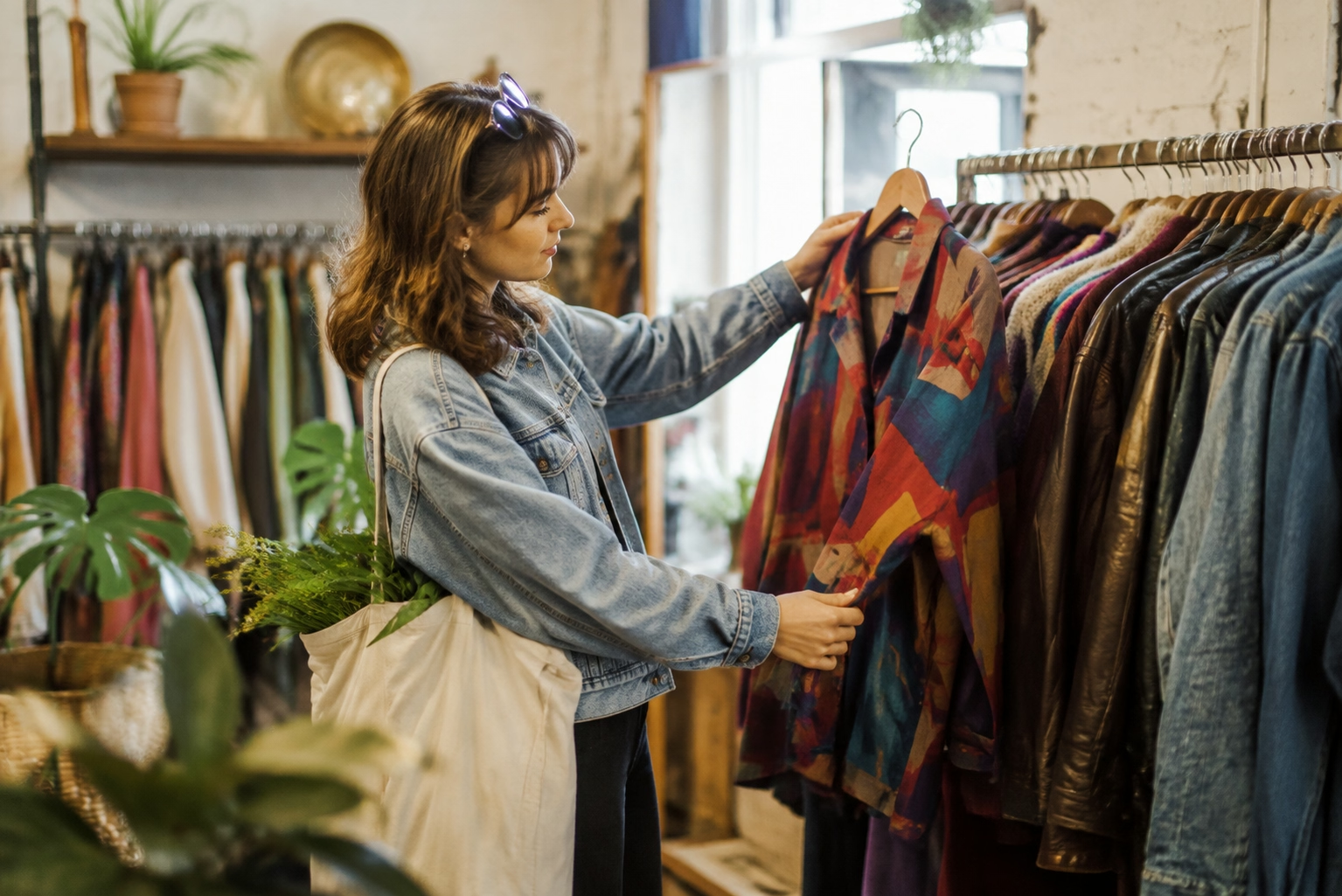
The cost-of-living crunch has pushed many Australian consumers to rethink their wardrobes. Vintage clothing offers a practical solution: high-quality garments, often made from durable natural fibres, at a fraction of the price of new fast fashion. But the appeal goes deeper. Millennials and Gen Z shoppers are actively rejecting mass-produced sameness. They want pieces with history, character, and a story. A 1970s leather jacket from a Fitzroy op shop or a 1990s silk slip dress found on a resale app carries a cultural weight that a new polyester top from a chain store simply cannot match.
Op Shops Are No Longer Just Charity Stops
Charity retailers like Salvos Stores, Vinnies, and Red Cross Shops have transformed their operations. Many now curate “vintage corners” with selected high-value items, use social media to showcase new arrivals, and run dedicated fashion events. In 2026, several op shops in inner-city Melbourne have introduced appointment-only vintage viewings for serious collectors. This professionalisation reflects a broader shift: pre-loved clothing is now seen as an investment category rather than a last resort.
The Digital Thrift Shift
Online platforms have supercharged the vintage boom. Depop, eBay Australia, and specialised local apps such as Reluv and Goodbyes have become virtual treasure troves. Sellers with a keen eye for retro silhouettes are building full-time businesses from their bedrooms. Meanwhile, Instagram and TikTok accounts dedicated to Australian vintage finds — from Perth’s op-shop trails to Adelaide’s hidden retro boutiques — attract tens of thousands of followers. This digital visibility has created a feedback loop: more people see vintage as desirable, so more people shop vintage, which in turn drives more sellers into the market.
The 2026 data shows that Australian consumers are not just buying vintage; they are buying into a movement. Every pre-loved purchase represents a small rebellion against throwaway culture. As resale platforms refine their authentication processes and op shops upgrade their curation, the line between vintage and contemporary fashion continues to blur. The result is a retail landscape where the past is not only present but actively shaping the future of Australian style.