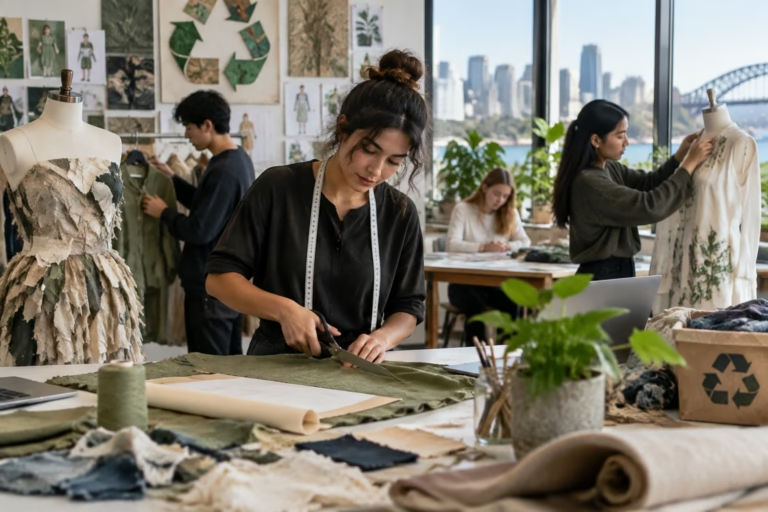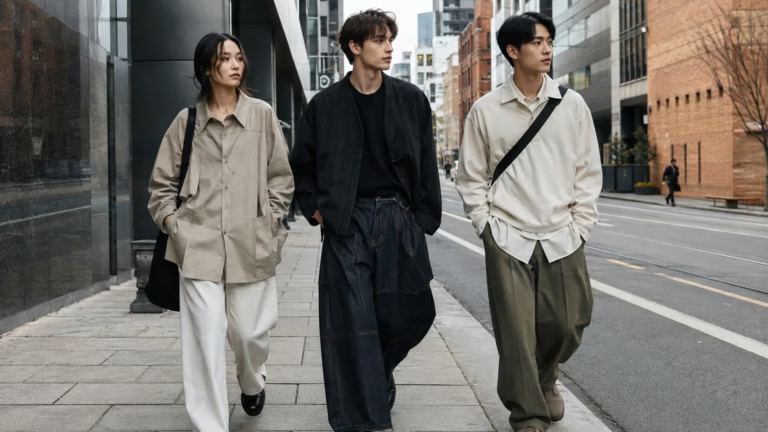
Australia is increasingly becoming a hub for sustainable fashion, with designers and brands turning toward locally sourced, eco-friendly materials to craft clothing that minimizes environmental impact. The movement is rooted in the desire to reduce the heavy carbon footprint of textile production and to revive traditional techniques using renewable resources. Australian designers are drawing inspiration from the country’s rich biodiversity and Indigenous heritage, utilizing plants, fibers, and natural dyes that have been part of the ecosystem for centuries.
One of the most prominent natural fibers used in Australian sustainable fashion is organic cotton, grown without synthetic pesticides or fertilizers. Organic cotton farming promotes soil health, conserves water, and encourages biodiversity. Australian designers often integrate this cotton into casual wear, workwear, and even high-fashion collections, emphasizing the softness and breathability of the fabric. Moreover, local production ensures reduced transportation emissions compared to importing cotton from overseas.
Another widely adopted material is wool, particularly from Merino sheep. Australia is one of the largest producers of Merino wool globally, known for its fine texture and versatility. Wool offers natural insulation, moisture-wicking properties, and biodegradability. Fashion brands are increasingly experimenting with wool blends to create garments that are durable, comfortable, and suitable for both warm and cool climates. The integration of wool in sustainable fashion reflects a commitment to maintaining local agricultural practices while supporting animal welfare and environmental sustainability.
Hemp is emerging as another versatile and eco-conscious choice. Renowned for its durability and minimal environmental footprint, hemp requires little water and no pesticides, making it an ideal candidate for sustainable textile production. Australian designers are now crafting hemp-based fabrics for jackets, trousers, and even accessories, combining traditional weaving techniques with modern design aesthetics. Its robust nature ensures longevity, allowing garments to withstand repeated use without rapid wear and tear.
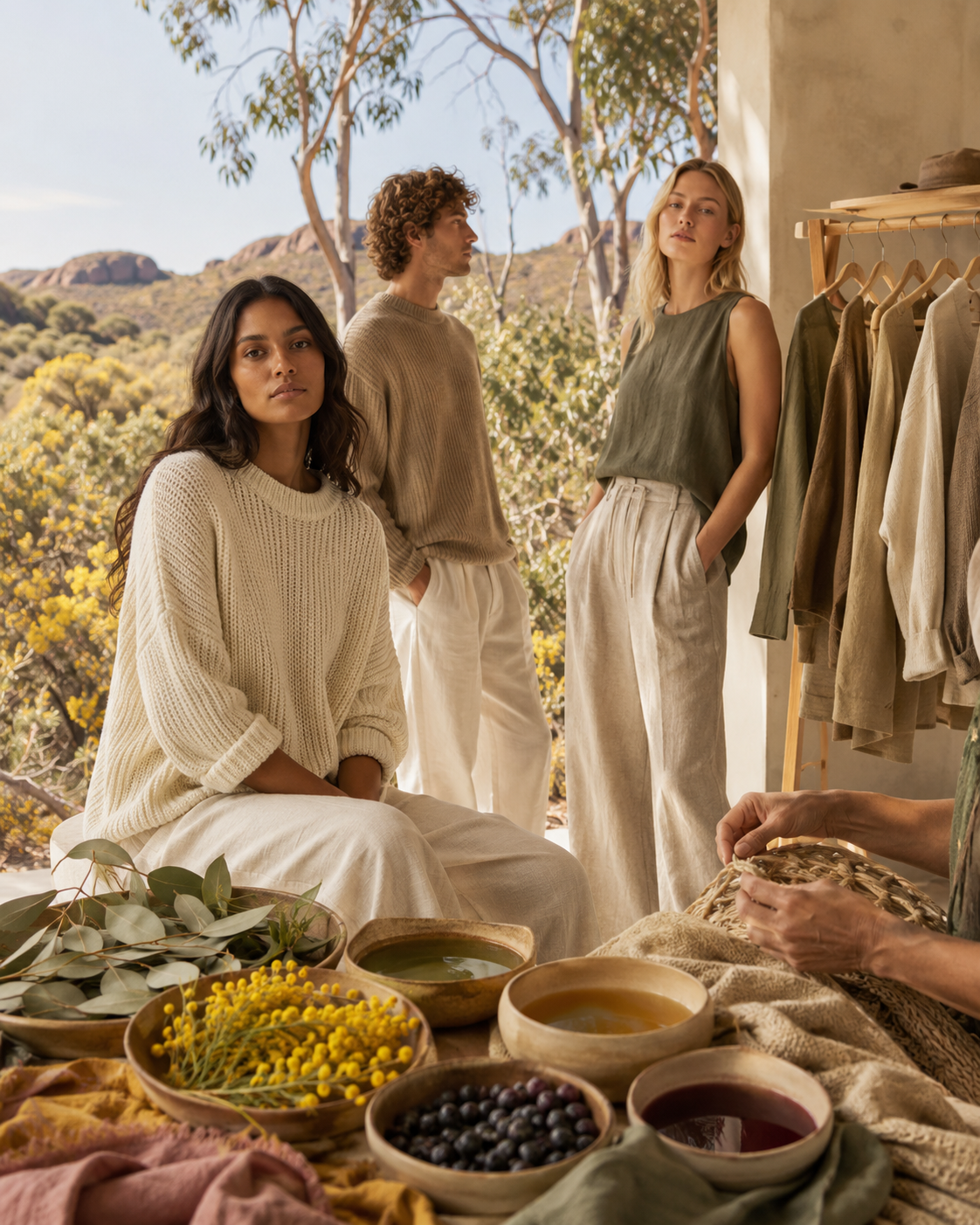
In addition to fibers, natural dyes sourced from Australian plants and minerals are gaining popularity. Colors derived from eucalyptus leaves, wattle bark, and native flowers provide vibrant, long-lasting hues without the environmental hazards associated with synthetic dyes. These natural dyes not only reduce water pollution but also connect clothing to Australia’s unique flora, creating a narrative that celebrates the country’s ecological wealth.
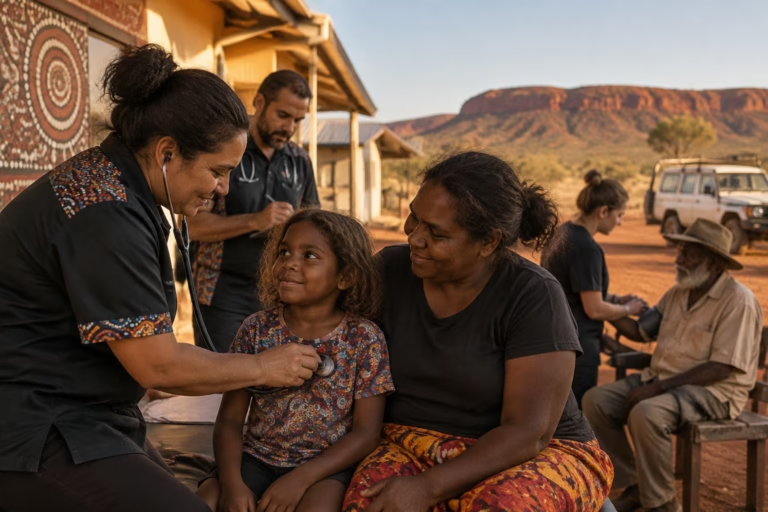
The rise of local, eco-friendly textile workshops has also supported community-based economies. Many designers collaborate with Indigenous artisans to produce fabrics and prints that reflect cultural stories and sustainable practices. This approach fosters a sense of place in fashion, where every garment embodies both environmental mindfulness and cultural appreciation. Consumers increasingly recognize the value of these locally made, eco-conscious products, which combine ethical production with aesthetic appeal.
Ultimately, the Australian sustainable fashion scene demonstrates a profound shift toward environmental responsibility. By focusing on locally sourced, natural materials such as organic cotton, wool, hemp, and plant-based dyes, designers are crafting clothing that not only reduces ecological harm but also honors the land and its traditions. This movement signifies a growing awareness among Australians of the importance of integrating sustainability into everyday choices, starting from the garments they wear.