Australia’s comfort-footwear category is moving beyond its former image as a specialist or medical segment. Supportive construction is now being integrated into fashionable shoes for offices, travel, hospitality, retail work and daily urban use.
This change reflects a broader shift in consumer priorities. Appearance remains important, but buyers increasingly reject the idea that stylish shoes must be uncomfortable.
Hybrid Lifestyles Have Changed Footwear Expectations
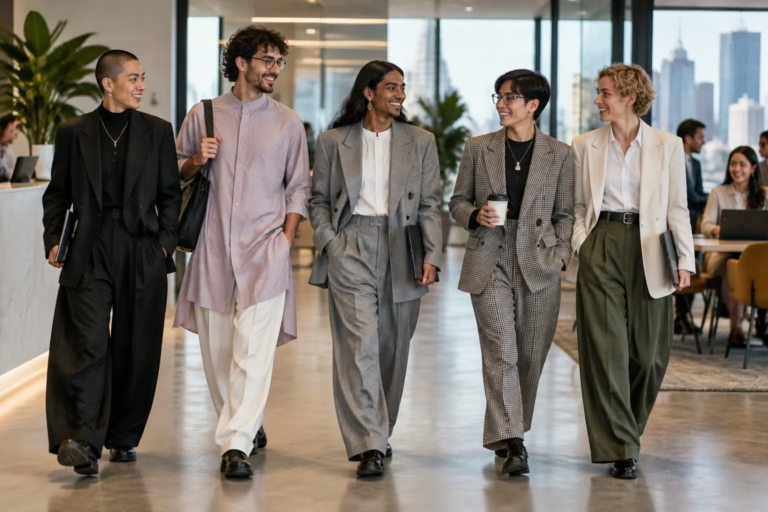
The boundary between formal and casual clothing has weakened. Many professionals now alternate between home offices, corporate workplaces, client meetings and informal social environments.
A rigid dress shoe may be suitable for one part of the day but impractical for commuting or extended walking. Consumers are therefore looking for versatile products that offer cushioning and support while maintaining a polished appearance.
Australian brands are particularly well positioned to respond because local lifestyles often combine driving, walking, public transport and outdoor activity within the same day.
Podiatry-Informed Design Has Entered Mainstream Fashion
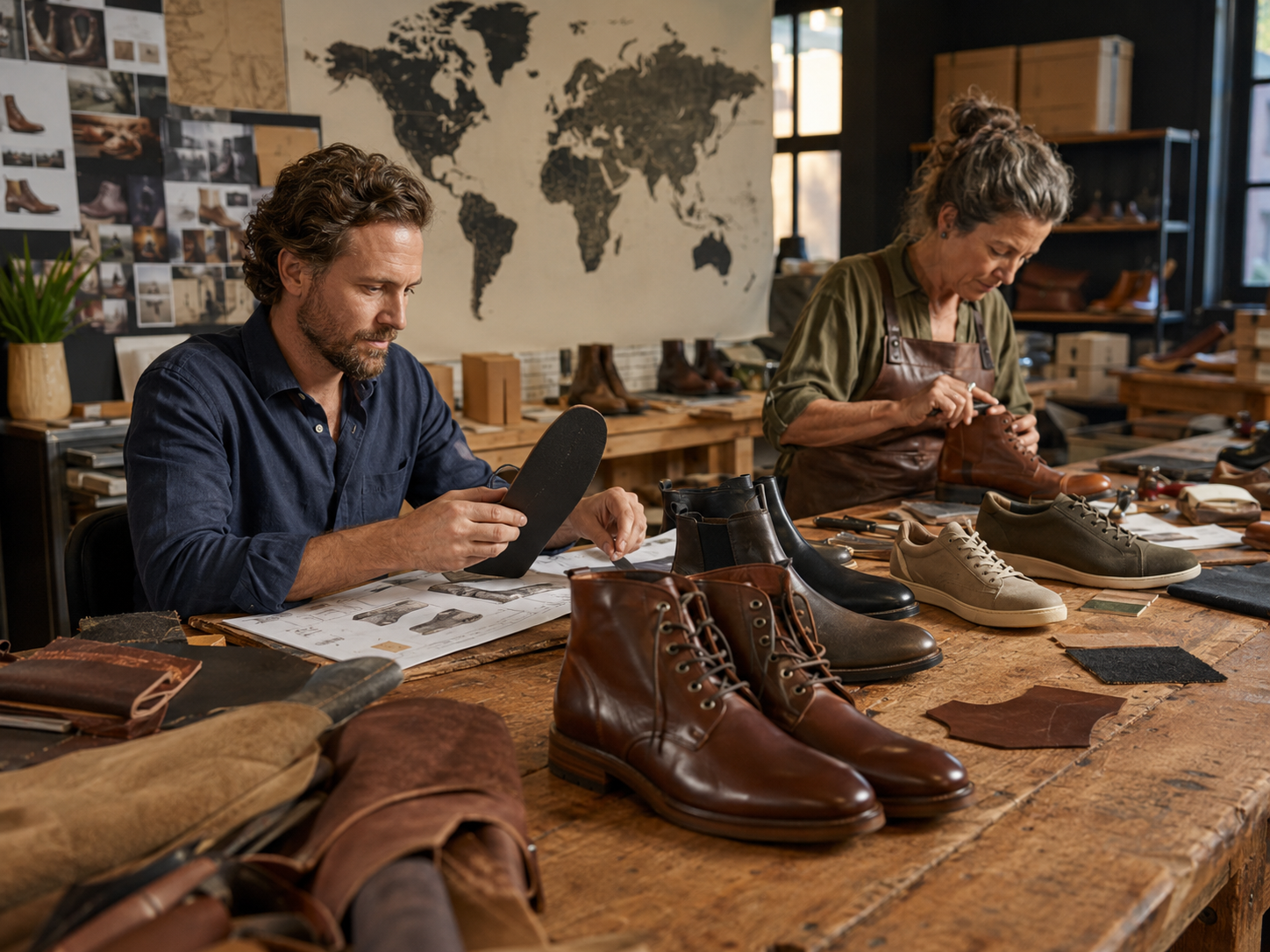
Bared Footwear and FRANKIE4 are notable examples of Australian brands that have used foot-health knowledge as part of their product positioning. Their designs illustrate how arch support, removable footbeds and considered heel structures can be incorporated into contemporary footwear.
The value of this approach is not limited to consumers with diagnosed foot conditions. Teachers, healthcare workers, retail employees and frequent travellers may all spend long periods standing or walking.
The Australian Podiatry Association provides professional information about foot health and the role of podiatry. While it does not endorse every comfort-focused shoe product, its resources help explain why fit, support and appropriate footwear can matter to everyday mobility.
Consumers Need Specific Explanations
“Comfortable” is a subjective marketing claim. What feels comfortable for one person may not suit another because of differences in foot width, arch height, gait and intended activity.
Brands can improve credibility by explaining individual features. These may include:
- Removable insoles that accommodate orthotics
- Multiple width options
- Adjustable straps or lacing systems
- Flexible forefoot construction
- Cushioning designed for prolonged standing
- Heel counters intended to improve stability
This level of detail helps consumers compare products and reduces dependence on vague promotional language.
Fashion Still Determines Whether Comfort Products Succeed
Technical features alone do not guarantee commercial success. Consumers want supportive shoes that coordinate with their existing wardrobes.
This has encouraged brands to produce sleek sneakers, loafers, sandals and boots with hidden comfort technology. Neutral colour palettes remain important, but seasonal colours and limited releases can prevent the category from appearing purely functional.
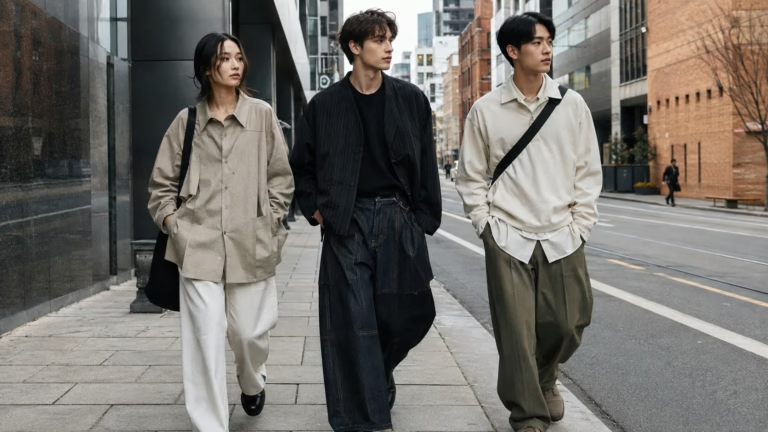
Comfort companies are also using lifestyle imagery rather than clinical presentation. Products are photographed in offices, airports, restaurants and city streets to show where they can realistically be worn.
The Age Range for Supportive Footwear Is Expanding
Comfort footwear was once marketed primarily toward older buyers. Today, younger consumers are also interested in injury prevention, walking, wellness and products that can be used throughout a long day.
Social media has helped normalize discussions about foot shape, orthotics and supportive design. At the same time, the popularity of sneakers has made cushioned footwear acceptable in settings that previously required formal shoes.
This creates opportunities for Australian companies to serve customers across multiple life stages without defining the category by age.
Trust Will Separate Strong Brands From Opportunistic Claims
As comfort becomes commercially attractive, more companies will describe their shoes as supportive or ergonomically designed. Consumers will need to distinguish genuine construction features from marketing language.
Brands that provide fitting assistance, realistic product descriptions and accessible customer service will have an advantage. Partnerships with qualified professionals may also add credibility, provided the nature of the collaboration is explained accurately.
The next stage of Australia’s footwear market will not be defined by comfort replacing style. It will be defined by consumers expecting both qualities in the same product.