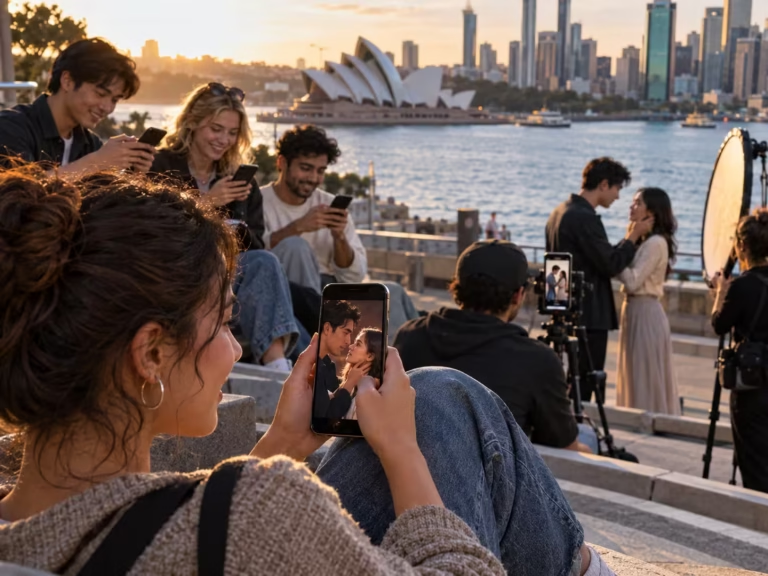

The Australian advertising landscape has undergone a seismic shift. Gone are the days when a 30-second television spot was the undisputed king of brand communication. In 2026, the most successful campaigns are those that audiences actively choose to watch. This strategy, often termed “advertainment,” blurs the lines between marketing and genuine entertainment, offering value beyond the product itself.
The Anatomy of an Entertaining Campaign
What separates a forgettable ad from a cultural moment? In Australia, it is the ability to tap into the nation’s unique sense of humor and laid-back identity. Agencies like The Monkeys and Thinkerbell have mastered the art of the “long-form laugh.” Instead of forcing a sales pitch, they create mini-films or episodic content series. A prime example is the continued evolution of beer advertising, where brands have moved away from sports clichés toward absurdist comedy that mirrors the tone of local television shows. This shift is driven by the audience’s “banner blindness”; to break through, content must feel native to the entertainment ecosystem it inhabits.
Furthermore, the rise of “Branded Content” hubs on streaming platforms has opened new doors. Australian brands are now commissioning short films and documentaries that align with their values without aggressive product placement. This strategy is particularly effective for the banking and insurance sectors, which traditionally struggle to engage younger demographics. By sponsoring a documentary about the housing crisis or a comedy series about share-house living, they generate emotional resonance rather than transactional awareness.
Leveraging Local Creators for Authentic Reach
The influencer economy has matured into a sophisticated entertainment network. Rather than simple product endorsements, Australian brands are now co-producing content with creators. This involves giving YouTubers or TikTok personalities creative control to develop sketches or vlogs that naturally integrate the brand. This “creator-led” strategy ensures the content fits the platform’s algorithm and the audience’s expectations. According to recent industry data from Statista, the effectiveness of influencer marketing in the Oceanic region is directly correlated with the creator’s perceived authenticity and engagement rate, not just follower count.
Case Study: Tourism Australia’s Immersive Storytelling
Tourism Australia remains a global benchmark for advertainment. Their recent campaigns have shifted from showcasing landscapes to telling “character-driven” stories. By following a fictional traveler on a road trip through Tasmania or a chef exploring indigenous ingredients in the Northern Territory, they create serialized content that keeps viewers coming back. This “episodic” approach extends the shelf life of the campaign from weeks to months, building a narrative universe that audiences invest in.
For a deeper look at the metrics driving these decisions, the current advertising spending and effectiveness data can be reviewed at Statista – Advertising in Australia, which highlights the increasing budget allocated to digital video and branded content over traditional ad buys.