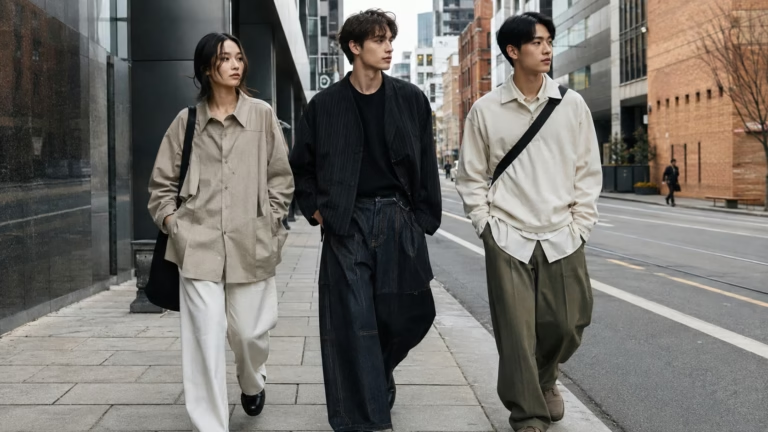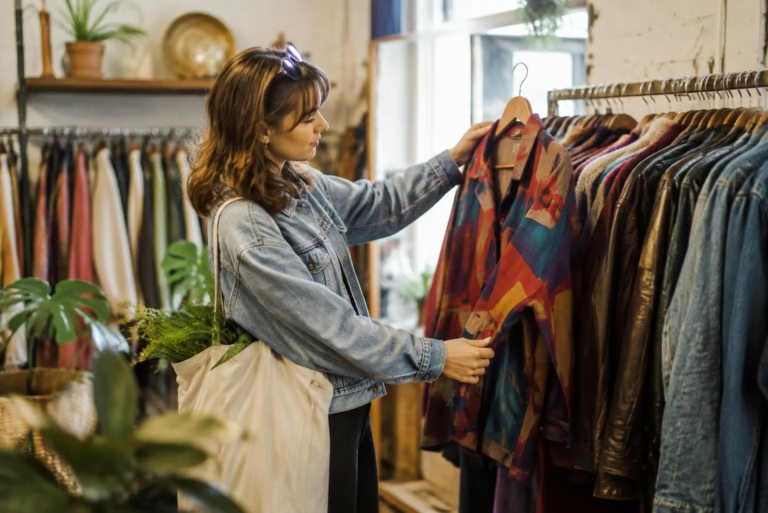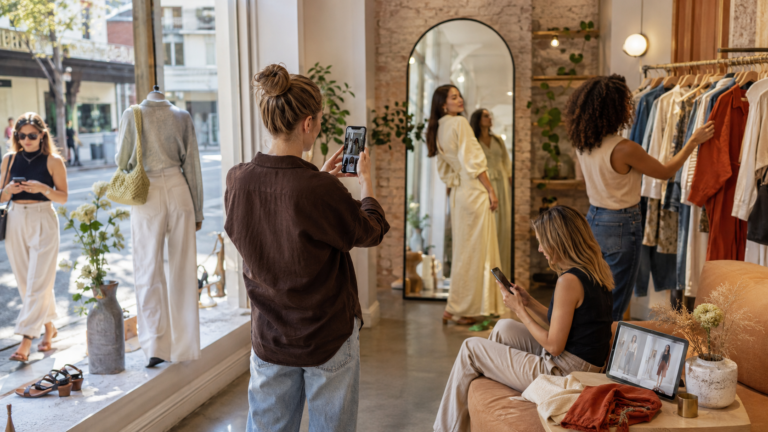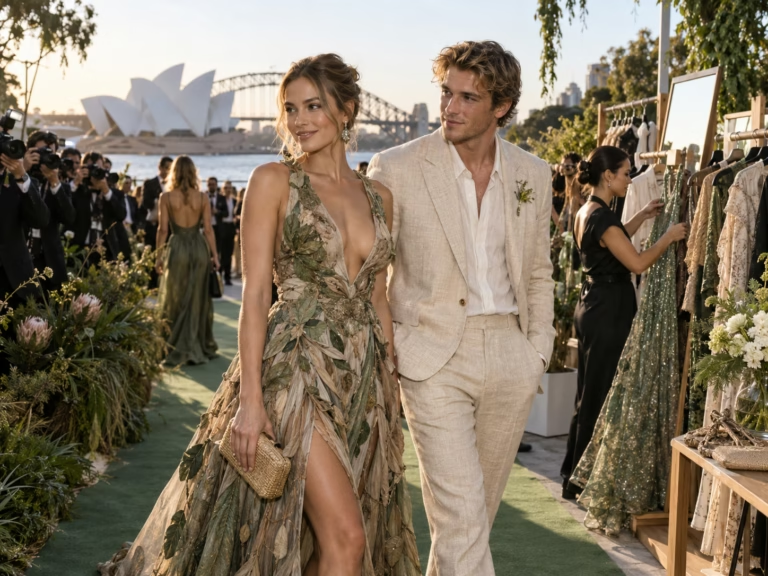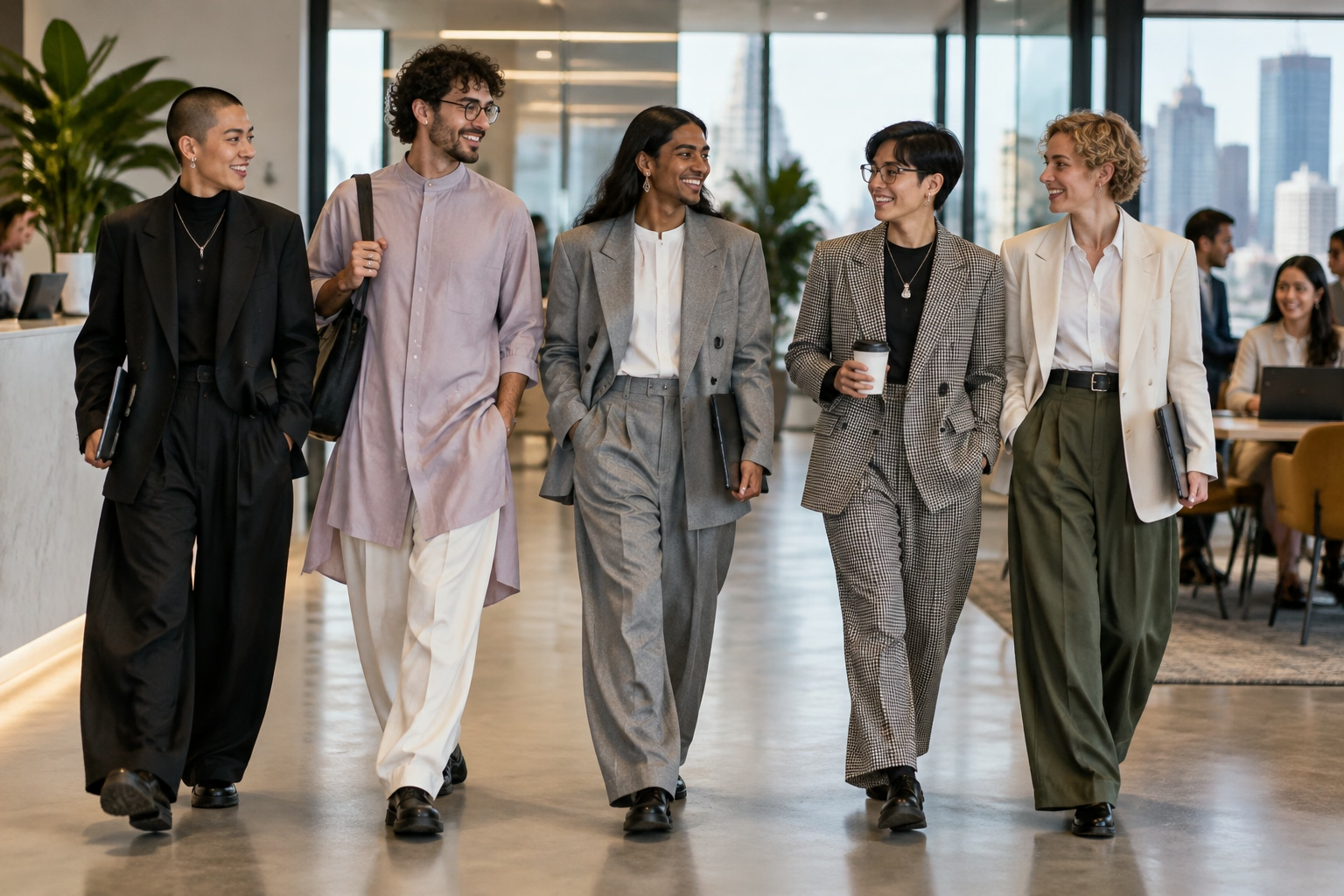
The landscape of the Australian office has fundamentally changed, and the wardrobe that inhabits it is evolving just as rapidly. The days of the mandatory two-piece suit in the middle of a Sydney summer are fading into memory, replaced by a nuanced dress code defined not by rigid rules, but by “polished comfort.” This shift isn’t merely about laziness; it is a complex response to the hybrid work model that now dominates the professional sphere.
The Hybrid Influence on Fabric and Form
The commute from the bedroom to the home office, punctuated by two days in a corporate tower, has demanded a versatile wardrobe. Professionals are no longer purchasing separate “work clothes” and “weekend clothes.” Instead, they are investing in a fluid wardrobe that can transition seamlessly. This has led to a surge in demand for technical fabrics traditionally reserved for athleisure.
Wool blends with stretch, breathable cottons, and wrinkle-resistant knits are now the gold standard. Tailored trousers often feature drawstrings or elasticated waists, hidden beneath a crisp shirt or a fine-gauge knit polo. The modern Australian professional wants to look sharp on a video call but remain comfortable during the school run or a quick café lunch. According to a 2026 report by the Australian Fashion Council, the focus has shifted from “authority dressing” to “agile dressing,” where personal mobility is considered a key performance indicator for the garment itself (Source: Australian Fashion Council – Future of Work Report 2026).
Redefining “Executive Presence”
In the past, presence was communicated through structure: sharp shoulders, stiff collars, and polished leather. Today, presence is communicated through quality and intentionality. A high-quality merino wool sweater in a neutral tone, paired with tailored chinos and minimalist leather sneakers, now projects more confidence in a Melbourne creative agency than a boxy suit from a department store.
This casualization, however, has its nuances. “Loud luxury” has been replaced by “quiet professionalism.” Logos are largely absent. Instead, the focus is on the cut, the drape, and the tactile quality of the material. In industries like finance and law, the suit has not vanished, but it has softened. The “unstructured blazer”—deconstructed, soft-shouldered, and unlined—has become the uniform of the modern executive, offering authority without the physical discomfort of traditional tailoring.
The Climate Factor
Australia’s unique climate has always influenced its fashion, and the modern office is no exception. The push towards sustainability and natural fibers is also a practical matter of survival. Heavy polyester suits are untenable in Brisbane’s humidity. This has accelerated the adoption of linen blends, tropical wool, and innovative bamboo textiles. The result is a distinctly Australian aesthetic: globally professional, yet inherently laid-back, breathable, and deeply connected to the local environment.