
From Step Counters to Clinical Companions
A quiet but profound shift is reshaping how Australians manage their health. Wearable devices are no longer niche gadgets for fitness enthusiasts; they have become everyday tools woven into the national health conversation. New consumer research reveals that the adoption curve has steepened dramatically, moving real-time health monitoring from the margins to the mainstream.
The numbers tell a striking story. According to PwC’s Voice of the Consumer 2026, 82% of Australians now use apps or wearables to monitor at least one health and wellness activity—up from 68% the previous year and ahead of the global average of 80%. The survey of 1,001 Australians found that longevity has become the top health ambition, followed by better sleep and stress reduction, with wearables positioned as the daily feedback loop that keeps those goals visible.
What Australians Are Tracking—and Why
Exercise tracking leads the use cases, followed closely by medication reminders and sleep management. The appeal is not merely data collection; it is the promise of personalised, real-time insight that turns abstract health goals into actionable daily decisions. As PwC’s retail and consumer leader Brian Man observed, health has moved from an “episodic, reactive” model to a “daily priority that’s proactively managed, personalised, and driven by the consumer and data”.
Separate research from Bupa reinforces the breadth of this behavioural change. A national survey of 2,000 Australians found that one in three now track their steps, sleep, and workouts, with fitness and activity platforms such as Fitbit, Apple Health, and Strava ranking as the most popular digital health tools—ahead of telehealth, meditation, and nutrition apps. Younger Australians are leading the charge: 45% of those aged 40 and under use wearables or apps for health monitoring, compared with 23% of those aged 50 and above.
The Market Responds with Double-Digit Growth
Consumer enthusiasm is translating directly into market expansion. The Australian wearables market is projected to grow from US$4.49 billion in 2026 to US$8.09 billion by 2031, representing a compound annual growth rate of 12.5%. Within the clinical segment, the wearable medical devices market is forecast to expand even faster—from US$1.79 billion to US$7.97 billion by 2035, at a CAGR of 18.0%.
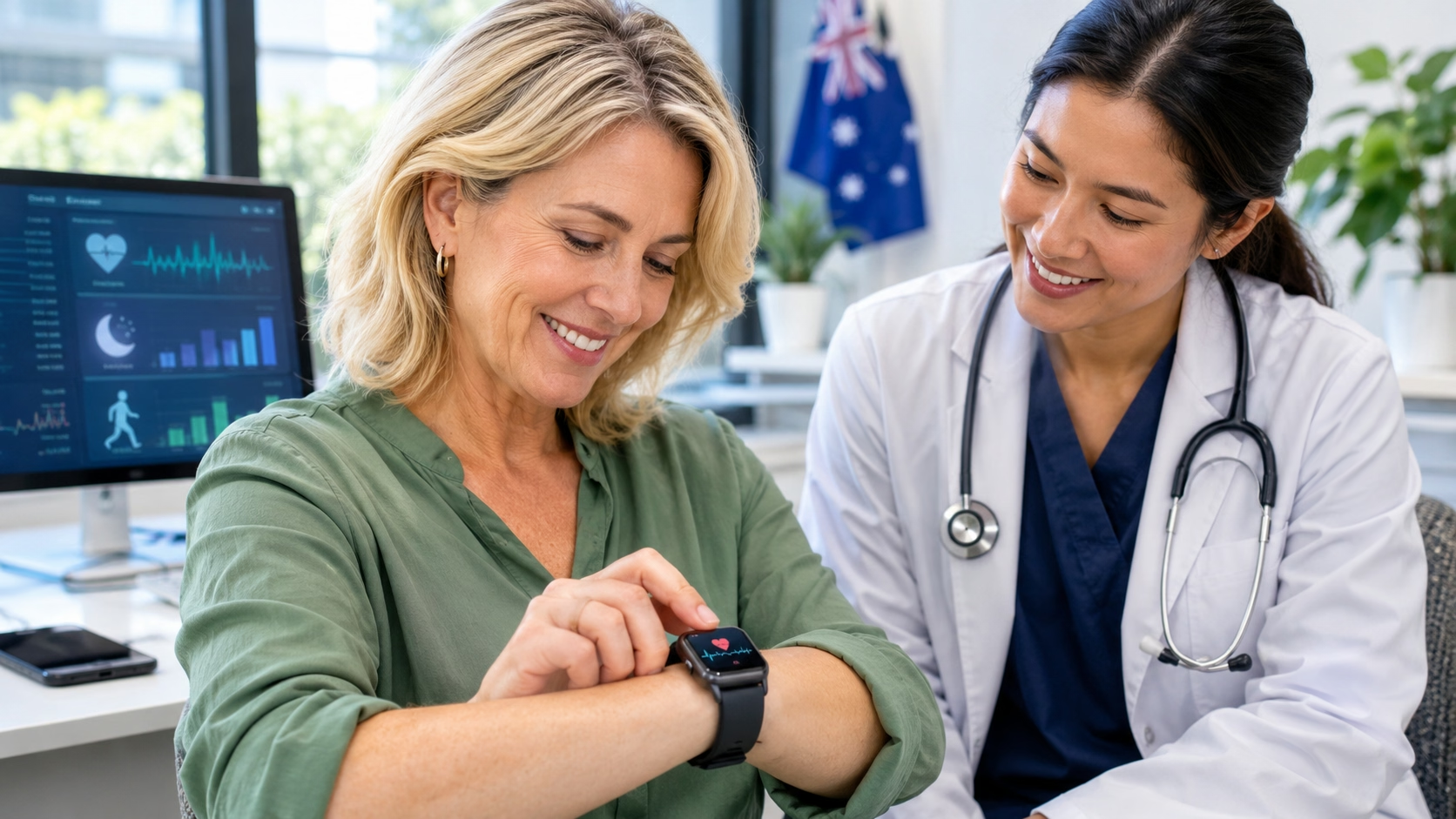
This growth is not simply about more devices on wrists. It reflects a deeper structural change in how Australians relate to their own health data. Patients are arriving at GP consultations with weeks of heart-rate variability, sleep staging, and activity data—information that can illuminate patterns invisible in a fifteen-minute appointment.
Clinical Conversations Are Changing
Dr Janice Tan, a GP and Bupa’s Clinical Innovation General Manager, described a representative case: a patient concerned about a high resting heart rate discovered through deeper investigation that dehydration—not cardiac pathology—was the underlying issue. “Wearables and AI are making it easier than ever for people to access health information,” Tan said, while cautioning that such tools “should never be used to self-diagnose or replace professional medical advice”.
The consumer wave has also exposed a tension that will define the next phase of adoption: data abundance without seamless clinical integration risks creating a parallel, unactionable health record. That integration challenge is precisely what regulators and health infrastructure planners are now moving to address—a theme that runs through every corner of Australia’s wearable health ecosystem in 2026.