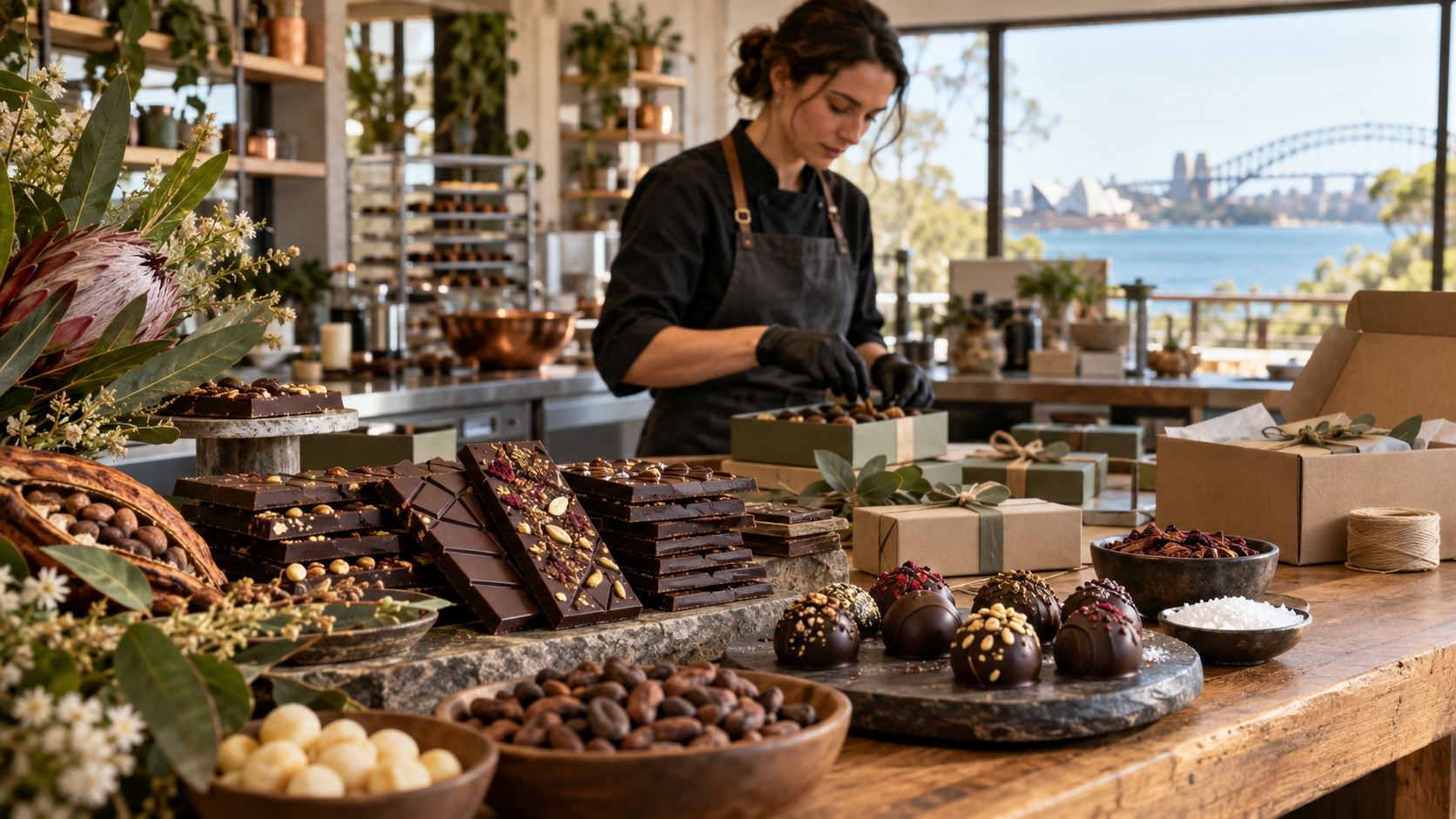


The Structural Shift Reshaping Australian Chocolate
Australia’s chocolate landscape is undergoing a fundamental transformation. While overall volume growth remains modest in this mature market, value growth is significantly outpacing it, driven by relentless premiumization. The Australian premium chocolate market was valued at approximately AUD 880.60 million in 2025 and is projected to grow at a compound annual growth rate of 6.57% between 2026 and 2035, reaching almost AUD 1,663.90 million by the end of that period.
This trajectory reflects a broader consumer evolution. The Australian chocolate consumer of the next decade will be more informed, health-conscious, and ethically motivated, demanding products that align with personal values without compromising on sensory experience.
Dark Chocolate and Functional Segments Lead the Charge
The premium and super-premium segments of dark chocolate are projected to grow at 8–12% annually, capturing an increasing share of total dark volume—from about 30% today to potentially 40–45% by 2035. Organic and Fair Trade certified dark chocolate could represent 35–45% of volume as retailer shelf commitments deepen.
The functional sub-segment, including sugar-free, high-protein, and probiotic-infused dark chocolate, may grow to 10–15% of dark volume, attracting new consumers from the broader wellness sector. This aligns with a broader market trend: health-conscious demand is driving reformulation, with sugar-reduced, high-cocoa-content, and functional chocolate expected to capture 10–15% of new product launches by 2030.
Traceability as a Competitive Differentiator
Sourcing transparency has moved from a niche concern to a core competitive differentiator. Major suppliers are investing in blockchain-based traceability platforms for Australian retail listings, while brands that invest in QR-code traceability from farm to bar can command price premiums of 40–60% above standard premium bars.
E-commerce and direct-to-consumer channels now represent 10–13% of chocolate sales in Australia, up from under 5% pre-2020, driven by gifting subscriptions, artisan brands, and seasonal flash sales.
The Craft Producer Advantage
For craft producers, the strategic imperative is clear: double down on authenticity and storytelling, using direct sourcing, unique production methods, and local ingredients to build an unassailable brand narrative that justifies a premium price. Mastering the direct-to-consumer channel—through subscription models, exclusive offerings, and immersive digital experiences—fosters direct relationships and higher margins.
Export opportunities, particularly to Japan and emerging Southeast Asian economies, remain a crucial profit pool for Australian manufacturers capable of delivering consistent, high-quality products with a unique Australian proposition.
A Market Defined by Value, Not Volume
The defining characteristic of Australia’s chocolate market through 2035 will be its bifurcation: consolidation among mainstream players facing margin pressure from volatile cocoa prices, and fragmentation among craft brands capturing ever-larger shares of total market value. Cocoa prices have risen 30–50% relative to historic averages, squeezing margins for mass-market brands while strengthening the price position of premium brands with direct farmer relationships.
The Australian chocolate industry is not simply growing—it is fundamentally restructuring around quality, provenance, and purpose.