Australia’s obesity problem is often discussed as a matter of diet and exercise. That explanation is incomplete.
In 2026, one of the most important questions is whether Australians are living in environments that make healthy behaviour practical. The price of food, time available for cooking, access to safe recreational spaces and availability of professional health support can all influence weight over time.
This is why obesity policy increasingly extends beyond hospitals and clinics.
Australia’s National Preventive Health Strategy 2021–2030 sets a broader direction for preventing chronic disease and improving health before people require complex treatment. The official strategy is available from the Australian Department of Health and Aged Care.
The Cost-of-Living Factor Cannot Be Ignored
Healthy eating advice may sound straightforward: buy fresh ingredients, prepare balanced meals and limit highly processed products.
For some households, however, affordability and convenience determine what reaches the dinner table.
Families under financial pressure may compare not only nutrition but also price, shelf life, preparation time and whether children will eat the food. These practical decisions are an essential part of the obesity debate.
A credible Australian strategy therefore needs to improve the conditions around food choice.
Possible approaches include stronger nutrition initiatives in schools and public institutions, better access to affordable healthy food and continued work with the food industry to improve commonly purchased products.
Prevention Should Begin Before People Enter the Health System
Early Action Across Everyday Settings
Schools, childcare services, workplaces and local communities offer major opportunities for prevention.
Children can benefit from environments that support movement and provide nutritious food without turning body weight into a source of shame. Adults can benefit from workplaces that make physical activity and healthy meals easier.
These interventions may appear small individually, but population health is shaped by thousands of repeated daily decisions.
When healthier options become more accessible, the burden is not placed entirely on individual motivation.
Clinical Care Still Has a Critical Role
Prevention will not eliminate the need for treatment.
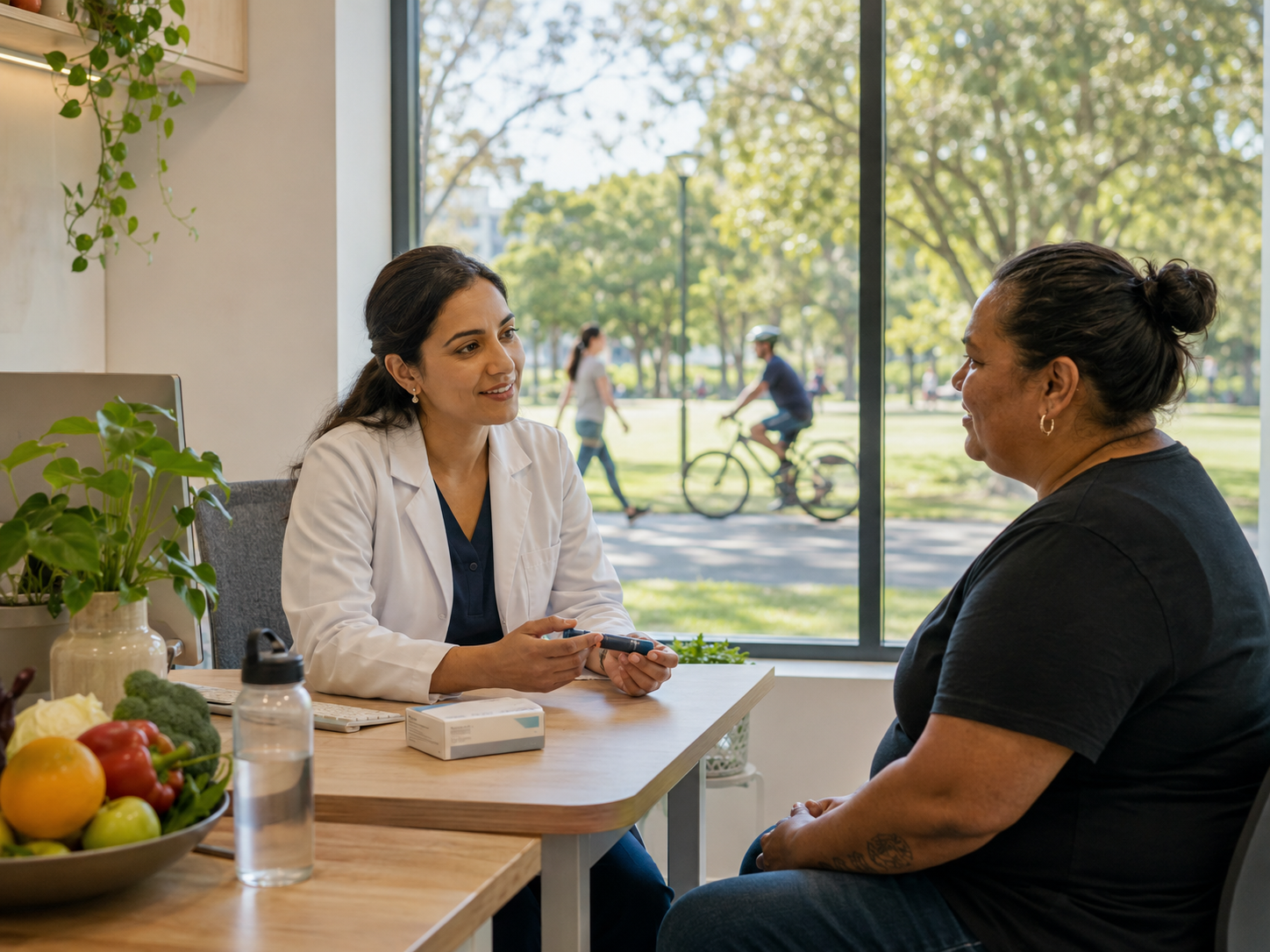
Many Australians already living with obesity need compassionate, evidence-based care. Some may require dietary support. Others may benefit from psychological services, structured physical activity, medication or specialist treatment.
The challenge is making these services accessible.
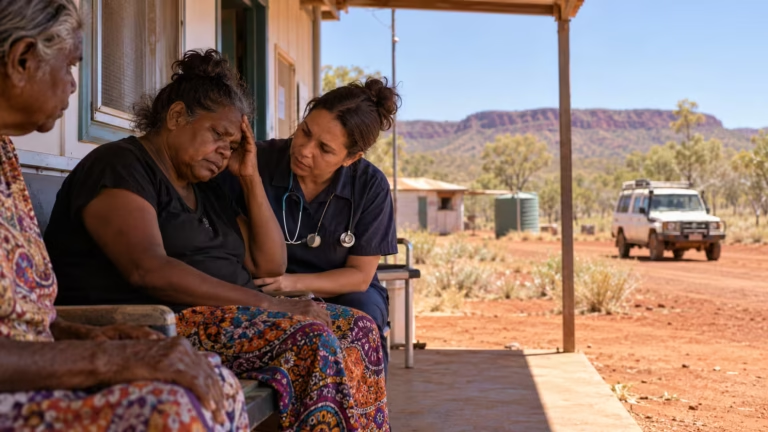
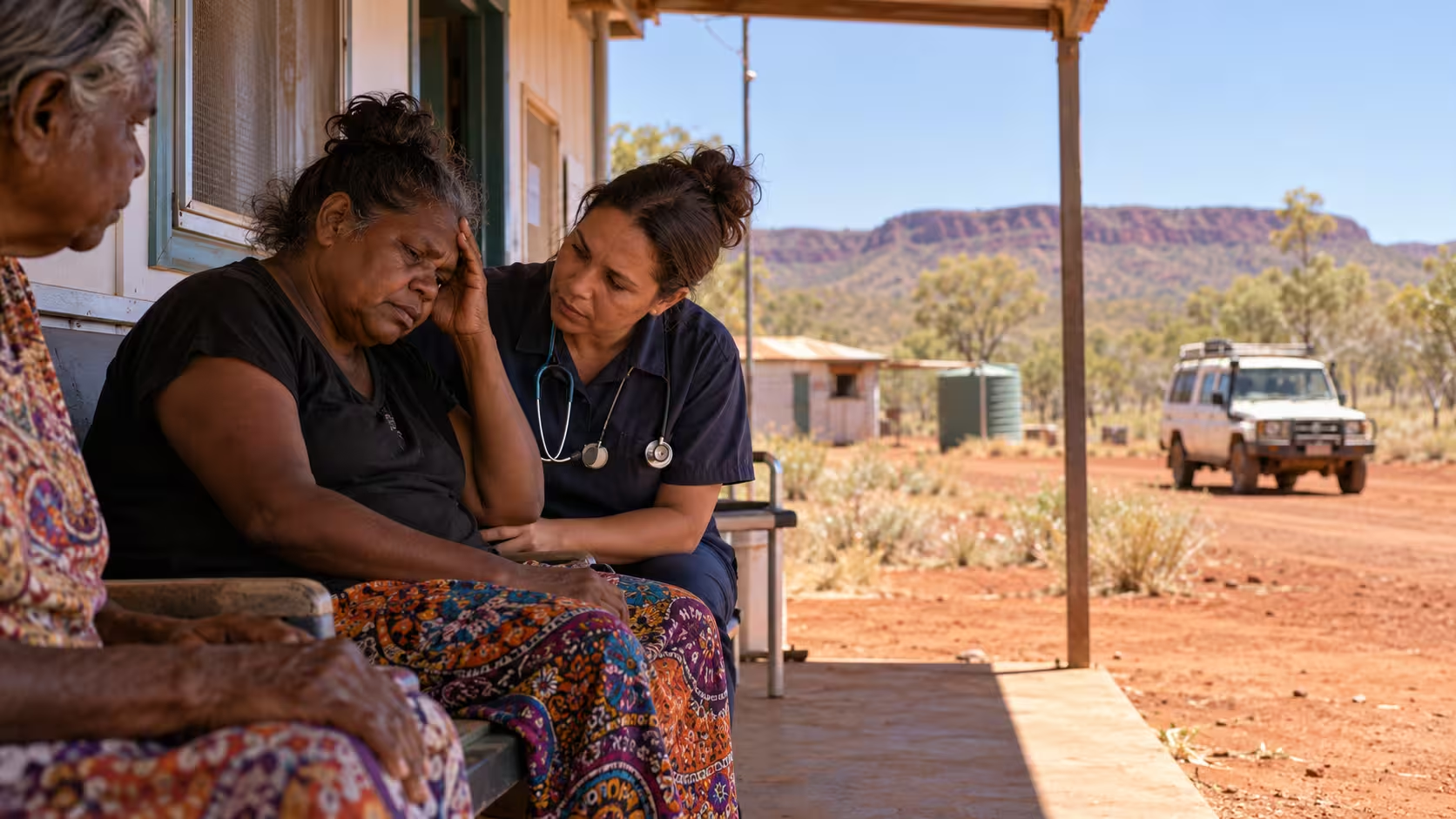
Cost and geography can create major barriers, especially for people outside metropolitan centres. Telehealth may improve access in some circumstances, but it cannot replace every in-person service or solve all workforce shortages.
A more effective pathway would connect primary care with allied health and specialist services while reducing stigma.
Australia Must Avoid a Two-Tier Response
The arrival of newer weight-management medicines has increased public interest in medical treatment.
These medicines may be valuable for suitable patients, but they also raise a broader policy issue: who can access effective care?
If comprehensive treatment is available mainly to people who can afford private services, existing health inequalities could deepen.
The same principle applies to food and physical activity. Healthy lifestyles should not become privileges associated with income or postcode.
The 2026 Opportunity
Australia’s existing strategies provide direction, but policy documents alone do not change health outcomes.
The next stage is practical delivery: sustained community programs, accessible clinical care, healthier food environments and measurable accountability.
Reducing obesity will require patience because population-level change takes time. Yet progress is possible when prevention and treatment are treated as connected parts of the same system.
Australia’s most effective strategy will be the one that makes healthier lives easier to achieve, especially for people facing the greatest barriers.