Health education in Australia plays an important role in helping people understand how to protect their physical, mental, and social wellbeing. As a country with a diverse population, Australia uses many public education programs to reach different age groups, cultural communities, and regions. These programs are not only designed to share health information, but also to encourage healthier habits, prevent disease, and make people more confident when making decisions about their health.
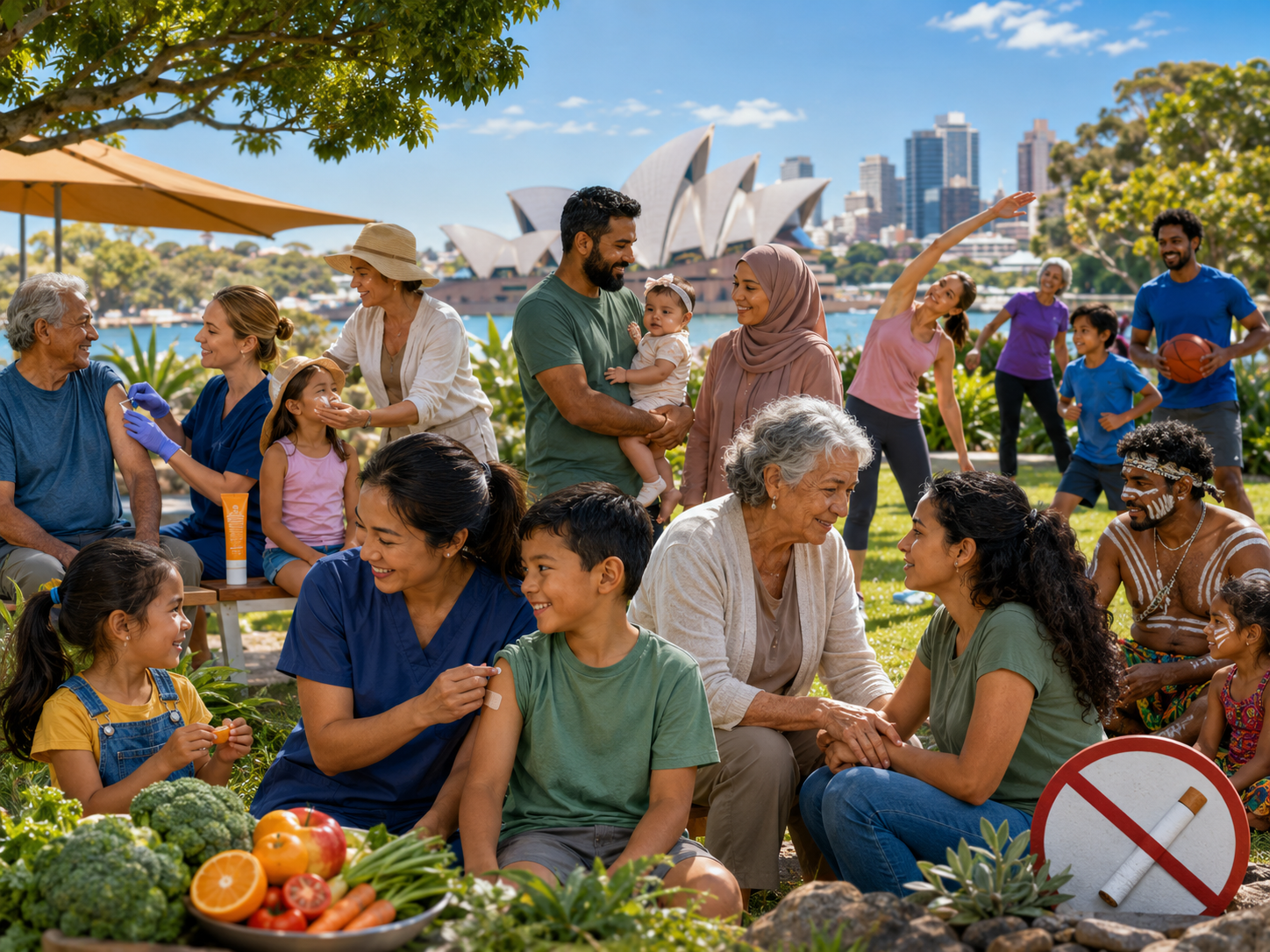
One major focus of health education in Australia is disease prevention. Public campaigns often explain how people can reduce their risk of chronic illnesses such as heart disease, diabetes, cancer, and respiratory problems. These campaigns usually promote practical actions, including eating nutritious food, exercising regularly, avoiding smoking, reducing alcohol consumption, and attending routine health checks. Instead of waiting until people become sick, Australian health education programs emphasize early prevention and lifestyle improvement.
A well-known example is Australia’s anti-smoking education. Programs such as Quitline and tobacco-control campaigns have encouraged smokers to understand the dangers of cigarettes and seek help to stop smoking. These campaigns use television, posters, online resources, health professionals, and community support services. They explain the risks of lung cancer, heart disease, and breathing problems, while also offering realistic steps for quitting. This type of education is effective because it combines warning messages with accessible support.
Sun safety is another important area of public health education in Australia. Because the country has high exposure to ultraviolet radiation, people are regularly taught to protect their skin from sun damage. Campaigns such as SunSmart encourage the public to wear sunscreen, hats, sunglasses, and protective clothing, and to seek shade during peak sunlight hours. Schools, workplaces, beaches, sports clubs, and local communities often share these messages to reduce the risk of skin cancer.
Australia also invests in immunisation education. The public is informed about the importance of vaccines for children, adults, older people, and vulnerable groups. Immunisation programs explain how vaccines help protect individuals and communities from preventable diseases. Health workers, schools, local clinics, and government websites help parents and families understand vaccination schedules, safety, and benefits. Clear communication is especially important when misinformation spreads online.
Mental health awareness has become a growing part of health education in Australia. Campaigns encourage people to talk openly about anxiety, depression, stress, loneliness, and suicide prevention. Organizations such as Beyond Blue and headspace have helped make mental health information more accessible, especially for young people. These programs teach the public that mental health problems are common, treatable, and not something to be ashamed of.
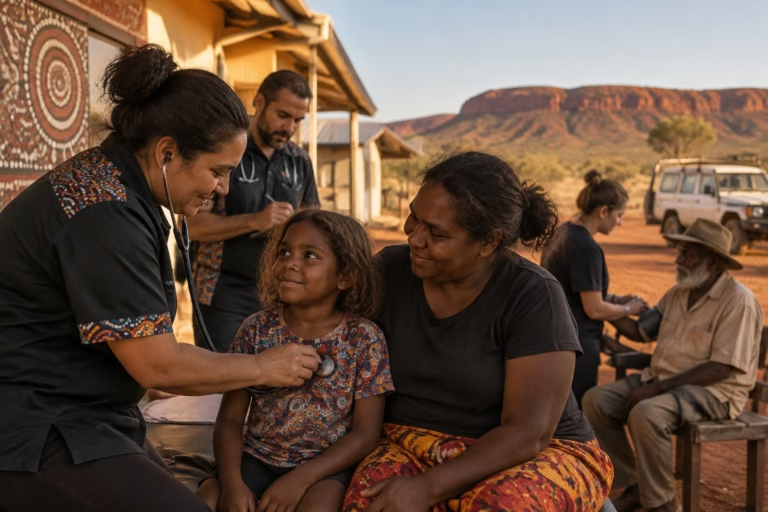
To serve a multicultural society, Australian health education must also be inclusive. Information is often translated into different languages and adapted for communities with different cultural backgrounds. Programs for Aboriginal and Torres Strait Islander communities are especially important because they need to respect culture, community leadership, and local health needs. Effective education is not just about delivering messages; it is about building trust.
Overall, health education programs in Australia show how public awareness can improve national wellbeing. Through campaigns about smoking, sun safety, vaccination, nutrition, physical activity, and mental health, people are given the knowledge and tools to live healthier lives. When information is clear, accessible, and culturally respectful, communities are better prepared to prevent illness and make informed health choices.