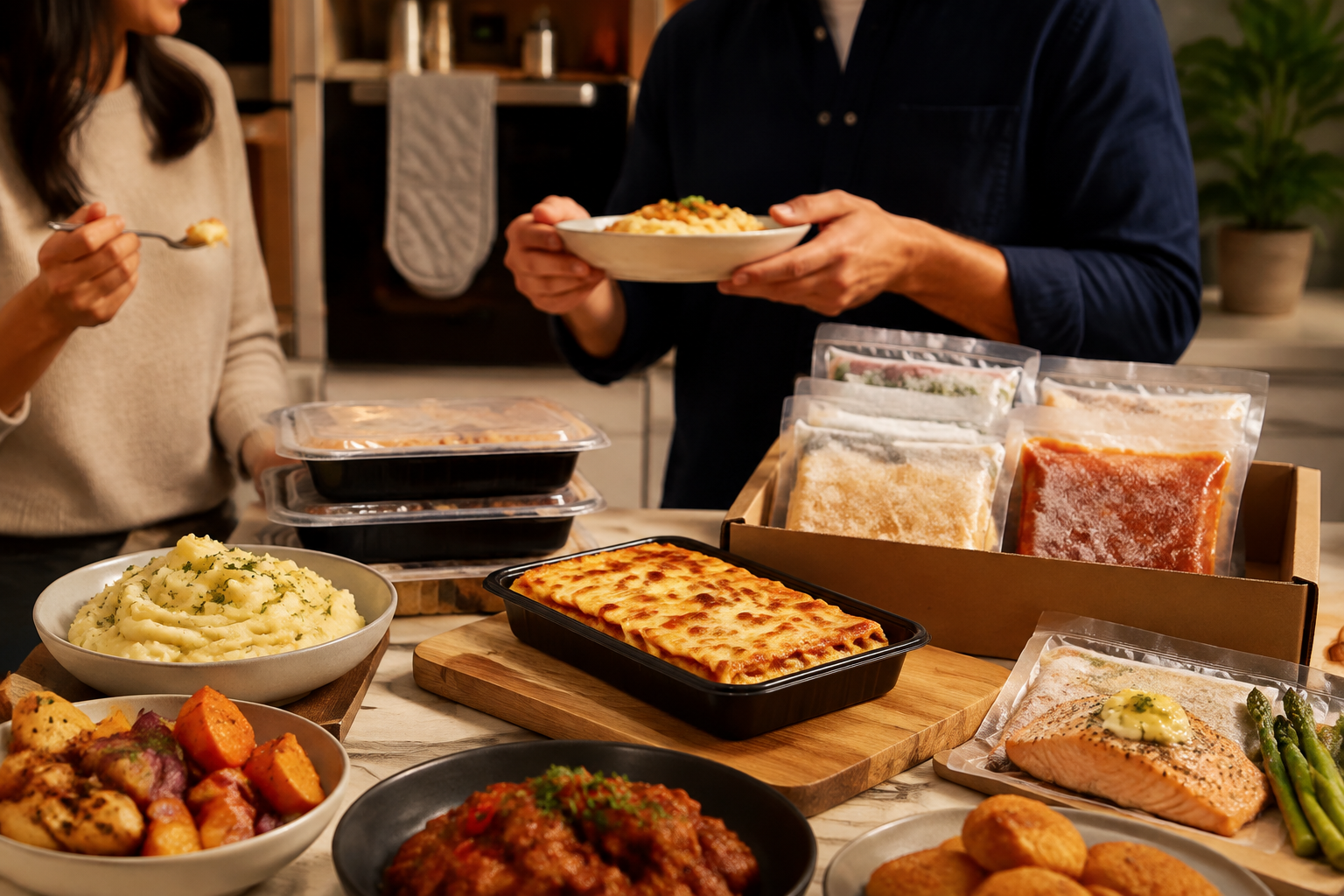
The frozen food aisle in Australian supermarkets is undergoing a deep nutritional transformation. No longer just a repository of convenience meals laden with sodium and preservatives, it is morphing into a destination for functional, health-forward products that align with modern dietary preferences. With the Australian frozen food segment projected to generate over AUD 10.8 billion in revenue in 2026, according to Statista’s market outlook (Statista Frozen Food Australia 2026), the pressure to innovate around health has never been more intense.
Functional Ingredients Take Center Stage
Shoppers are actively scanning ingredient lists for added benefits. This has given rise to frozen meals fortified with probiotics, adaptogens, and targeted superfoods. A prime example is the emergence of “immunity bowls,” where frozen quinoa blends are infused with turmeric and ginger, appealing to the wellness-oriented consumer.
Protein-Packed and Plant-Based Breakthroughs
The demand for high-protein and plant-based alternatives is redefining product development. In early 2026, Patties Foods extended its Lean Cuisine range to include a “Protein+” line, featuring single-serve frozen meals with 30 grams of protein from chicken breast and legumes. At the same time, the brand The Healthy Chef launched a range of frozen superfood bowls at Woolworths, using cauliflower rice, activated almonds, and pea protein to capture the clean-eating demographic.
This shift is no accident. Industry data shows that 42% of Australian consumers now actively seek foods that support specific health goals, pushing manufacturers to embed functionality directly into frozen formats. The “freezer is the new medicine cabinet” mentality is solidifying.
Clean Labels and Radical Transparency
Another powerful current is the demand for recognizable ingredients. The so-called “clean label” movement has forced a rethink of traditional frozen meal formulations. Consumers are rejecting artificial additives, pushing brands toward natural preservatives such as rosemary extract and cultured dextrose.
Sourcing Stories as a Selling Point
In a notable move, McCain Foods Australia rebranded its vegetable range in 2026 to highlight local farm sourcing. Every bag of frozen mixed vegetables now carries a QR code linking to the exact Tasmanian farm that grew the produce. This transparency feeds the consumer need for authenticity and has lifted frozen vegetable sales by 11% year-on-year in the March 2026 quarter, according to major retail data.
The days of frozen food being a nutritional compromise are numbered. By intertwining health, functionality, and ingredient integrity, Australian manufacturers are not only meeting current demand but actively shaping a future where the freezer aisle stands shoulder to shoulder with the fresh produce section. The ongoing nutritional pivot suggests that frozen food’s strongest growth catalyst is the very perception it fought decades to change: that it can be a vehicle for wellness.