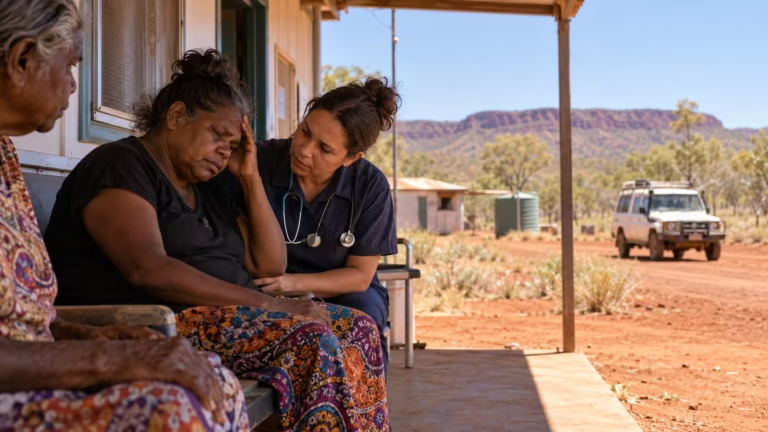
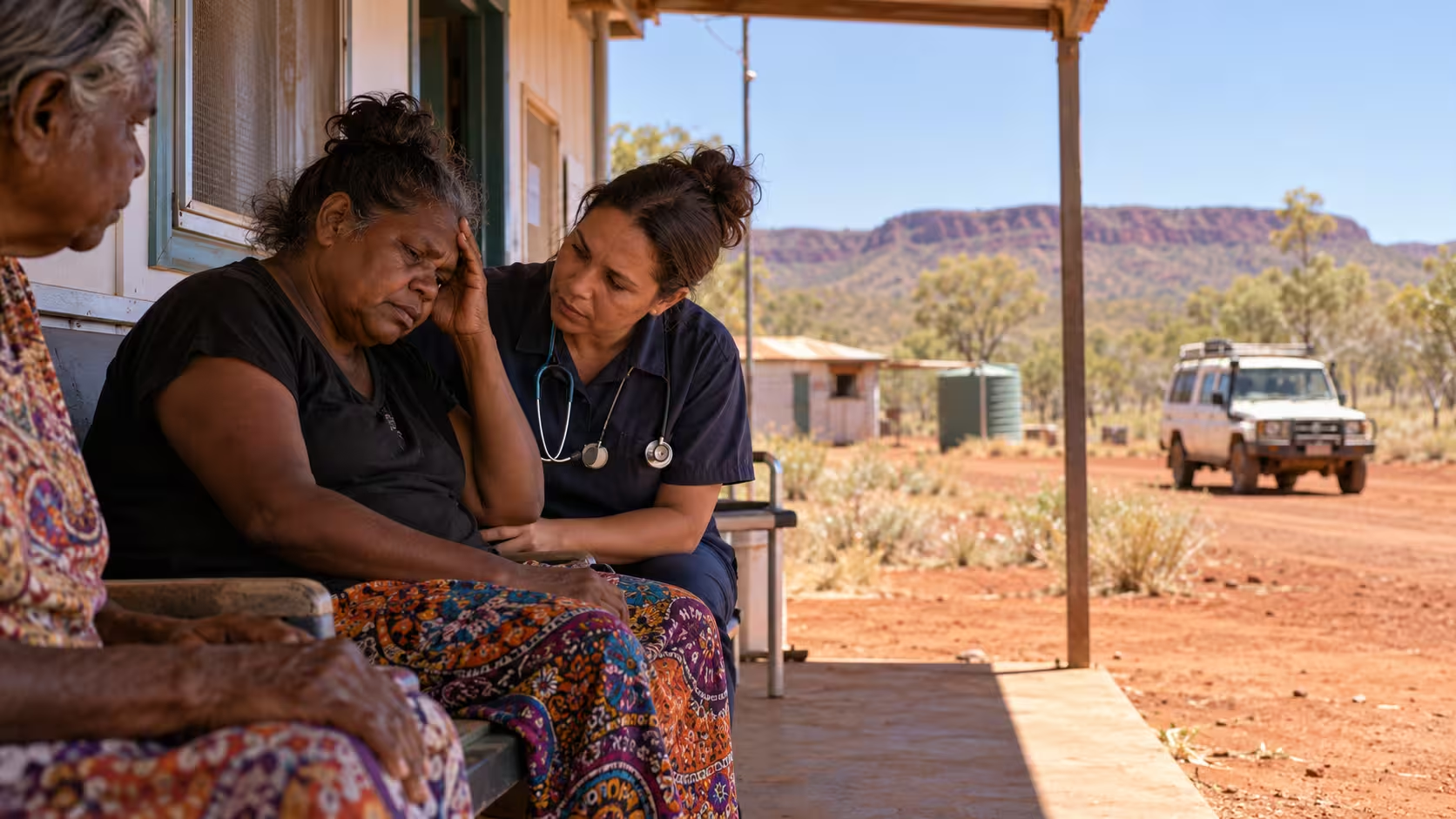

Australia has made significant strides in addressing the mental and physical health of its young population. Adolescence is a critical period marked by rapid physical growth, cognitive development, and emotional changes, which can make teenagers more vulnerable to mental health challenges such as anxiety, depression, and stress-related disorders. To tackle these issues, both government and non-government organizations have implemented comprehensive programs aimed at promoting overall well-being among teenagers.
One of the prominent initiatives is the Headspace program, which provides early intervention mental health services for young people aged 12 to 25. Headspace centers offer a combination of counseling, general health services, and guidance on employment or educational challenges. Importantly, the program adopts a holistic approach, considering the interconnectedness of mental, physical, and social health. Evidence suggests that early support through programs like Headspace can significantly reduce the severity of mental health conditions and enhance resilience.
Beyond mental health, physical activity and nutrition play a central role in adolescent health. The Move It AUS initiative, spearheaded by the Australian government, encourages teenagers to engage in regular physical activity. The program includes school-based campaigns, community sporting events, and digital resources aimed at increasing daily movement. Regular exercise not only supports physical fitness but also has proven benefits for mental health by reducing stress, improving sleep quality, and promoting cognitive function.
Nutrition programs are also gaining traction. Initiatives such as the Healthy Eating Advisory Service provide schools, parents, and teenagers with practical guidance on balanced diets, reducing the consumption of sugar-laden foods, and increasing the intake of fruits, vegetables, and whole grains. Nutritional interventions have been linked to improvements in mood, concentration, and overall energy levels among adolescents.
Digital platforms have become increasingly important for reaching young people. Programs such as Beyond Blue’s online resources offer confidential support, mental health education, and self-help tools that cater specifically to teenagers. These platforms are particularly effective in addressing the stigma around mental health and providing immediate access to guidance and counseling, which may not always be available in-person.
Moreover, community-based interventions play a vital role in fostering resilience and social connectedness. Youth centers, local sports clubs, and mentorship programs provide adolescents with safe spaces to engage in social activities, build relationships, and develop coping skills. Social support is a key factor in mental well-being, and these programs help teenagers navigate challenges related to identity, peer pressure, and academic expectations.
Australia’s focus on youth health is continuously evolving. Policymakers, educators, and health professionals are exploring ways to integrate mental and physical health initiatives into schools and communities to ensure a comprehensive approach. By combining early intervention, physical activity, nutrition education, digital support, and community engagement, these programs aim to equip young Australians with the tools to maintain both mental and physical wellness during a transformative stage of life.