
The Demand Is Real. The Discovery Is Broken.
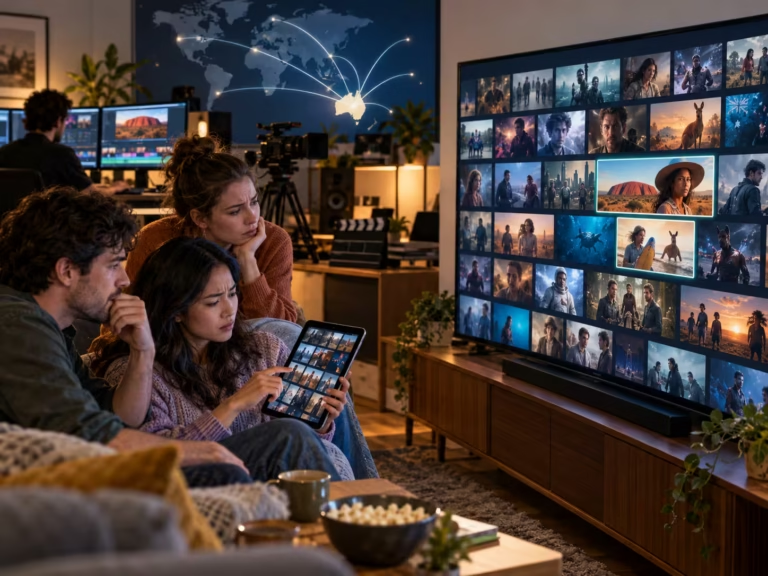
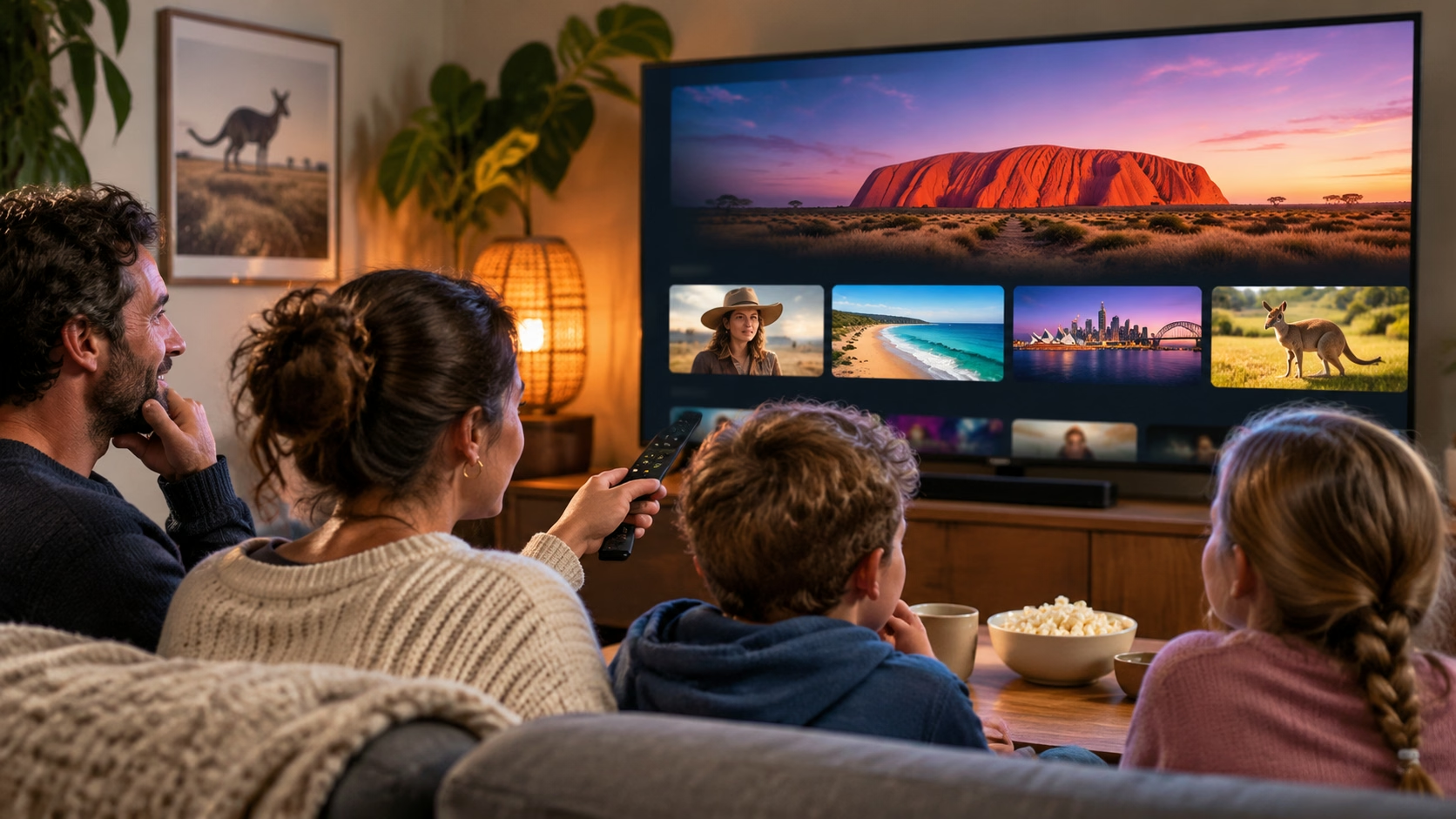
Australia’s screen industry is confronting an uncomfortable truth. Audiences are not turning away from local stories—they are simply not finding them. Screen Australia’s landmark Screen Currency 2026 report, released in August, found that 84% of Australians agree access to local screen content is important, and 75% are interested in watching more. Yet 60% spend less than 30% of their viewing time on Australian content, and only 36% say local productions are easy to locate.
When “Available” Does Not Mean “Visible”
Screen Producers Australia CEO Matthew Deaner captured the problem precisely: “Making Australian content available somewhere within a streaming catalogue is not the same as making it visible to Australian audiences”. A title buried five rows deep in a genre carousel, or accessible only through a precise search query, is technically on the platform—but functionally invisible.
The Screen Currency 2026 research, which surveyed more than 13,750 people across Australia and international markets, identifies a structural shift in how audiences decide what to watch. Content discovery is no longer driven by active search. It is driven by algorithms, social recommendations and peer influence. For a small English-language market like Australia, those forces are not neutral. Algorithms optimised for global engagement do not naturally prioritise Australian content unless it already carries momentum.
The Economic Stakes of Invisibility
The cost of this visibility gap extends well beyond cultural representation. The screen and games sector contributed more than A$11 billion** to the Australian economy in 2023–24 and directly employed nearly **70,000 people** in 2024–25. Exports totalled **A$1.6 billion in the same period. When local content fails to reach its domestic audience, the commercial foundation that sustains this workforce weakens.
Screen Australia CEO Deirdre Brennan has framed discoverability as a production-level priority: “Ensuring we reach people is now as important as producing that content”. The agency has begun responding with audience design programmes and new market and audience funding streams, but the scale of the challenge demands industry-wide coordination.
A Crowded, Algorithm-Dominated Landscape
The Screen Currency 2026 report explicitly points to the “crowded algorithm-dominated landscape” as a driver of the disconnect. Audiences do not reject Australian content—they stumble across it, often by accident, rather than seeking it out. When asked where they would go if determined to find something Australian, research participants gravitated towards the ABC or YouTube, not the major subscription platforms where much local drama now lives.
This discovery behaviour has profound implications. A platform that invests in local production to meet regulatory obligations may still fail to deliver cultural value if the content remains sequestered from the surfaces where audiences actually browse.
Regulation Without Discovery
The Australian government’s new streaming content obligations, which commenced on 1 January 2026, require platforms with more than one million local subscribers to invest at least 10% of total programme expenditure—or 7.5% of revenue—on new local drama, children’s, documentary, arts and educational programming. The legislation is a significant intervention into production volume. But it does not, on its own, mandate prominence.
Industry leaders argue that investment without visibility risks creating a catalogue of unwatched Australian stories. The next policy frontier is likely to move from how much is made to how discoverable it becomes on the interfaces Australians use every day.