The New Daily Ritual of Australian Jewellers
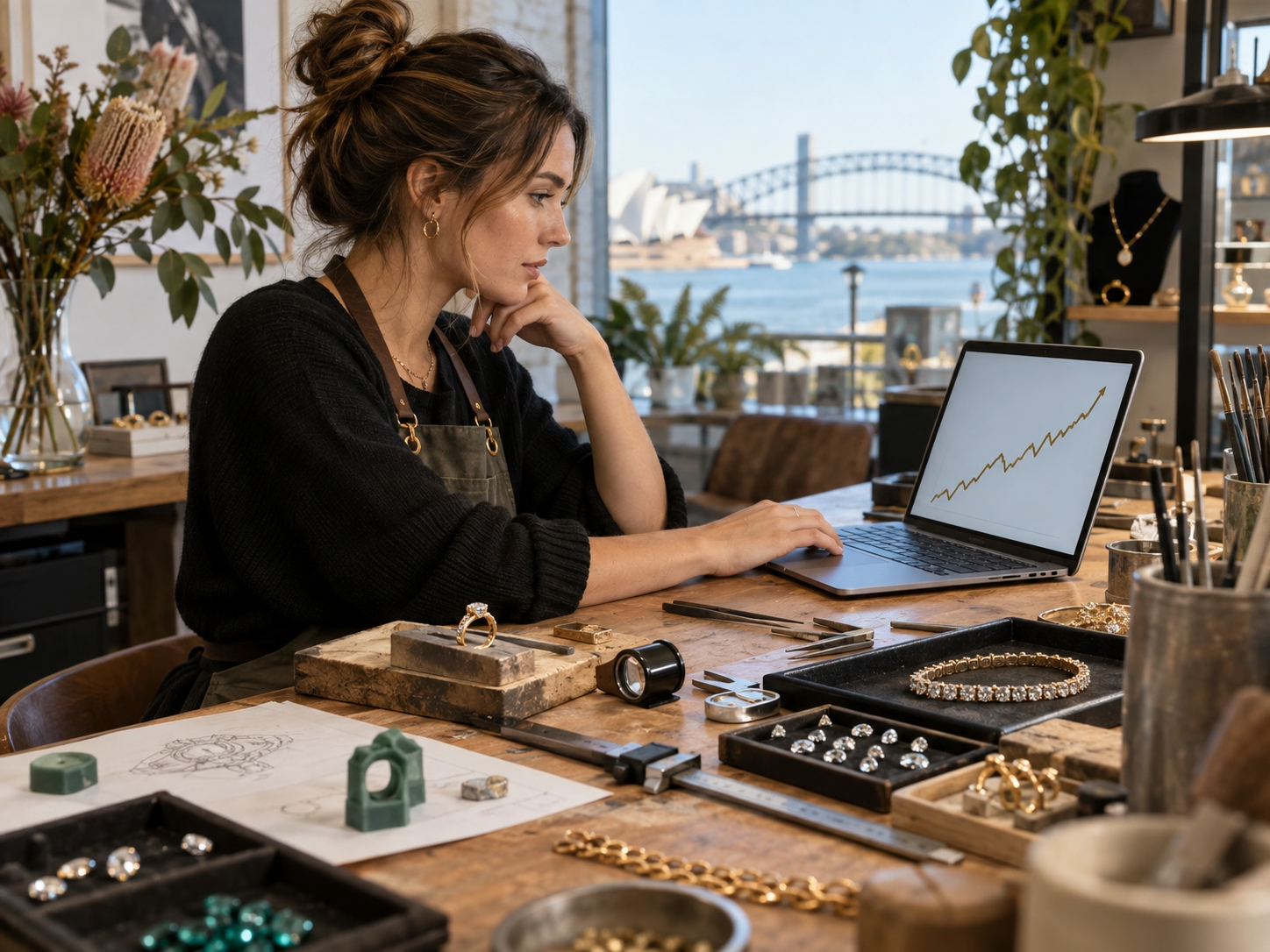
For Australia’s independent jewellers, the first task of every working day in 2026 is no longer opening the storefront or checking the overnight online orders. It is checking the gold price. The metal has surged approximately 70 per cent over the past year, forcing an unprecedented shift in how jewellery is priced, designed, and sold across the country. Jewellers have been compelled to cap quotes, giving customers as little as two weeks to accept pricing on high-value items that often cost thousands of dollars.
This is not a temporary disruption. It is a structural realignment of the Australian jewellery trade, and the most creative operators are treating it as an opportunity rather than a crisis.
Doing More With Less: The Design Response
Sydney designer Lucy Folk has responded to the volatility by re-examining every design decision. “We have had to examine our design to maximise how you do more with less,” she explains. Her chunky tennis bracelets, which retail for around $15,000, required a fundamental rethink of gold usage without compromising the aesthetic her customers love. Because most of Folk’s pieces are made to order, she can lock in gold prices once a commission is confirmed, giving both designer and client a degree of certainty in an otherwise unpredictable market.
Melbourne-based designer Alicia Hannah Naomi has taken a different but equally pragmatic approach. The surging gold price led local suppliers to offer 14-karat gold more readily — a karat weight that was previously difficult to source in Australia, where the market traditionally follows British standards of 9k and 18k. For Naomi, 14k strikes a balance between colour, durability, and value that resonates with her clients, particularly those seeking alternative wedding and engagement pieces.
The Bespoke Boom
While volume has declined — unit sales dropped 7 per cent year-on-year in April 2026 — the average retail sale climbed to $357, a 17 per cent increase from the previous year. The message from Retail Edge Consultants is unambiguous: customers are purchasing less frequently but with far greater intent. “Consistent conversion at higher price points remains the primary determinant of revenue outcomes,” says general manager Leon van Megen.
This shift has supercharged the bespoke market. Jeramie Hotz, co-founder of Sydney-based Erede, has instituted four price rises since launching in 2023, yet demand for the brand’s bespoke pieces continues to surge. “You want people to be able to buy into the journey,” Hotz says, noting that the bespoke end of the market is “really taking off”.
What It Means for the Trade
The gold price surge is not merely a pricing problem. It is a creativity filter. Designers who can communicate value, provenance, and emotional significance are thriving. Those competing purely on price are increasingly vulnerable to offshore sellers and online marketplaces. In 2026, Australian craftsmanship is proving that scarcity and constraint can produce the most remarkable work.