
Healthy eating in Australia is shifting in 2026. The focus is no longer about strict diets or chasing viral food trends, but about building sustainable diet choices that actually fit daily life. Between rising food prices, busy schedules, and increasing awareness of long-term health, Australians are prioritising flexibility over perfection.
For many people—whether office workers in Sydney, students in Melbourne, or young families in Brisbane—healthy food now means something simple: meals that are easy to prepare, affordable, satisfying, and good enough to repeat most days without stress.
Instead of asking “What is the best diet?”, the better question in 2026 is “What eating pattern can I actually maintain while still feeling healthy and energised?”
For general guidance, resources like the Australian Dietary Guidelines (eatforhealth.gov.au) and Healthdirect Australia remain reliable references for evidence-based nutrition advice.
Key Healthy Food Trends Shaping Australia in 2026
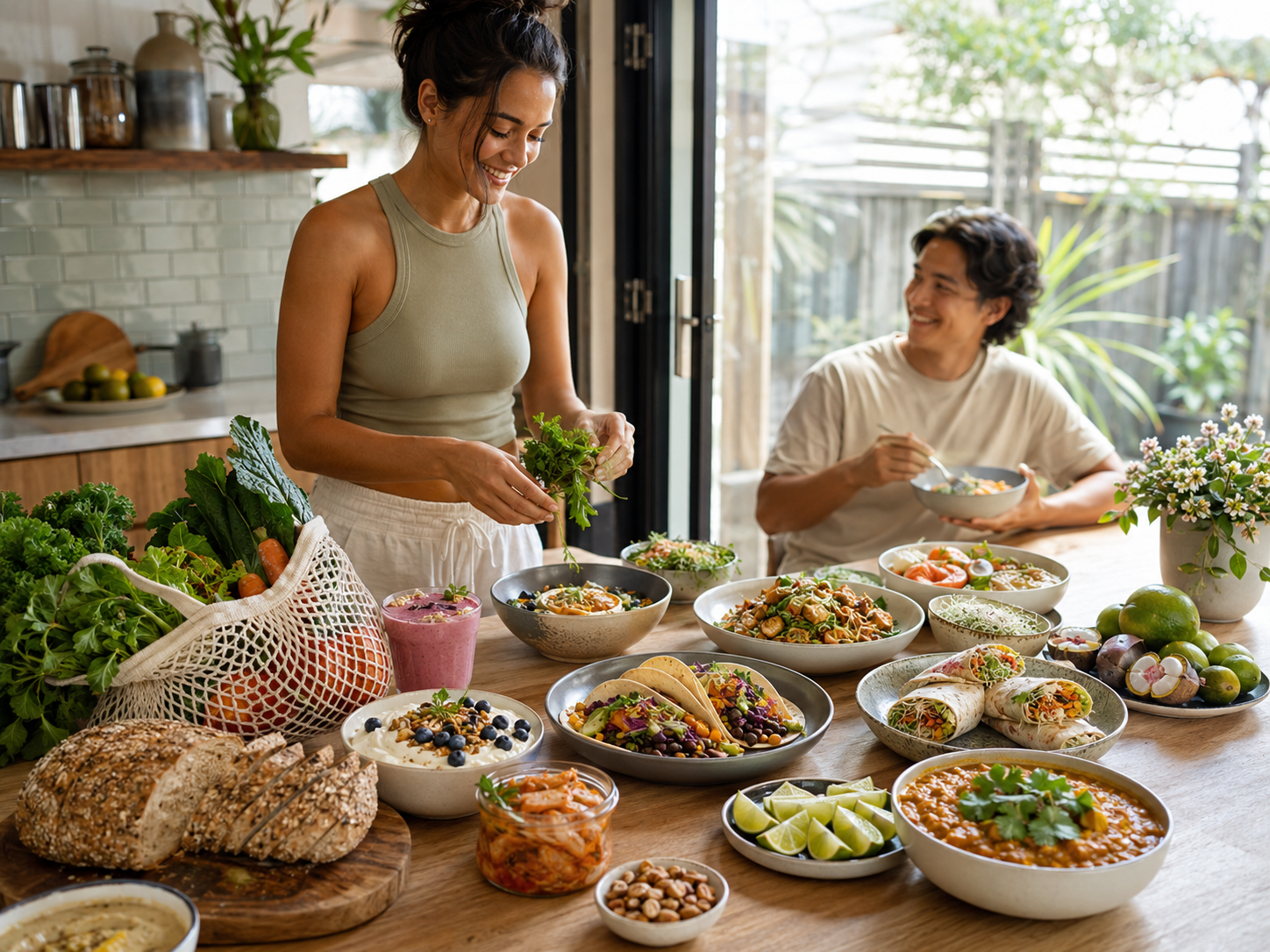
One of the strongest shifts in Australia’s food culture is the rise of plant-forward eating. This does not mean everyone is becoming vegan. Instead, it reflects a more flexible approach where vegetables, legumes, whole grains, nuts, and fruit take a bigger role on the plate—while animal products are still included when desired.
A typical example is a weekday dinner like a vegetable stir-fry with tofu, or a lentil-based pasta sauce mixed with lean beef. The goal is balance, not restriction. This approach is popular because it is practical, cost-effective, and fits multicultural Australian food habits.
Another important trend is gut-friendly eating. Foods like yoghurt with live cultures, kefir, kimchi, oats, bananas, legumes, and whole grains are becoming more common in everyday diets. However, the key insight is that you don’t need expensive probiotic products. A varied, fibre-rich diet often supports gut health more effectively than isolated supplements. If someone has digestive conditions, personalised advice from a qualified health professional is important.
Protein-focused meals are also widely adopted in 2026. Eggs, chicken, tuna, tofu, tempeh, Greek yoghurt, and legumes are commonly used to increase satiety and support active lifestyles. However, a common misunderstanding is equating “high protein” with “healthy.” Many processed snacks marketed as high-protein still contain added sugar or artificial ingredients, so reading labels remains essential (Food Standards Australia New Zealand provides helpful labelling guidance).
A growing concern across Australia is budget-friendly healthy eating. Many households are relying more on frozen vegetables, canned beans, oats, rice, eggs, and home-brand groceries. These foods may seem simple, but they form the foundation of balanced meals that are affordable and consistent.
Finally, personalised diet choices are becoming more accepted. Instead of one universal “best diet,” people are choosing patterns that fit their lifestyle—Mediterranean-style eating, higher-protein diets, vegetarian approaches, or culturally familiar home cooking. The most effective diet is usually the one that can be sustained long-term without stress or guilt.
How to Choose the Right Diet Choices for Your Lifestyle
Healthy eating only works when it fits real life.
For busy office workers, the biggest challenge is convenience. Buying lunch every day is expensive, but cooking complex meals is unrealistic. A practical solution is building “base meals” like rice, roasted vegetables, and a protein source (chicken, tofu, or beans). These can be mixed with different sauces to avoid boredom.
For students, affordability is the priority. Simple meals such as oats with fruit, egg sandwiches, lentil pasta, or rice bowls with canned tuna can provide balanced nutrition without high cost. The goal is consistency, not perfection.
For young families, the challenge is variety. A useful strategy is “build-your-own meals” like taco nights, rice bowls, or pasta bars. This allows each person to customise their plate while keeping the base meal healthy.
For people focusing on health conditions such as cholesterol, blood sugar, or weight management, diet choices should be discussed with a GP or accredited practising dietitian. Avoid extreme diets without professional guidance, especially if medical conditions are involved.
A simple and effective framework is the balanced plate method:
- Half vegetables or fruit
- One-quarter protein
- One-quarter carbohydrates or healthy fats
This structure is easy to apply and flexible across different cuisines.
Common Mistakes in Healthy Eating Trends
One of the biggest mistakes is treating food trends as strict rules. Not every popular diet trend needs to be followed. If a food does not suit your body, budget, or culture, it is not the right choice for you.
Another mistake is assuming healthy food is always expensive. In reality, staples like oats, eggs, lentils, frozen vegetables, and canned fish are among the most nutritious and affordable options.
Many people also rely too heavily on “health-labeled” processed foods. Terms like “natural,” “keto,” or “plant-based” can be misleading. A product is not automatically healthy just because of its marketing.
Restrictive dieting is another common issue. Eliminating entire food groups without reason can lead to unnecessary stress and nutritional imbalance. Most people benefit more from balance than restriction.
Finally, many people aim for perfection instead of consistency. A sustainable healthy diet allows flexibility—occasional takeaway meals, social eating, and imperfect days are all part of real life.
Practical Tips for Daily Healthy Eating
Start by improving one meal you eat every day. If breakfast is rushed, focus on making breakfast better first. Small changes are easier to maintain than complete overhauls.
Keep a list of “default meals” that require little thinking. Examples include yoghurt with fruit and oats, scrambled eggs with toast, chicken salad bowls, or tofu stir-fry with rice. These reduce decision fatigue during busy days.
Use convenience products strategically. Frozen vegetables, pre-cut salad mixes, canned beans, and microwave rice can help you eat healthier when time is limited. Convenience does not mean unhealthy—it depends on how you use it.
Flavour matters. Healthy food becomes more enjoyable when you use herbs, spices, lemon, garlic, olive oil, and simple sauces. A basic meal can feel completely different with the right seasoning.
Snack planning is also important. Healthy snack options like fruit with yoghurt, nuts, boiled eggs, or hummus with vegetables help prevent overeating later in the day.
FAQ
What are the main healthy food trends in Australia in 2026?
Plant-forward eating, gut-friendly foods, protein-balanced meals, budget-friendly staples, and personalised diet patterns.
Is plant-based eating better than other diets?
It can be healthy, but it is not the only option. Many people thrive on flexible plant-forward diets that still include animal products.
Are high-protein foods always healthy?
Not always. The overall quality of the food matters more than protein content alone.
How can I eat healthy on a budget in Australia?
Focus on affordable staples like oats, eggs, rice, beans, frozen vegetables, and seasonal fruit.
Do I need a strict diet to be healthy?
No. Consistency and balance matter more than strict rules.