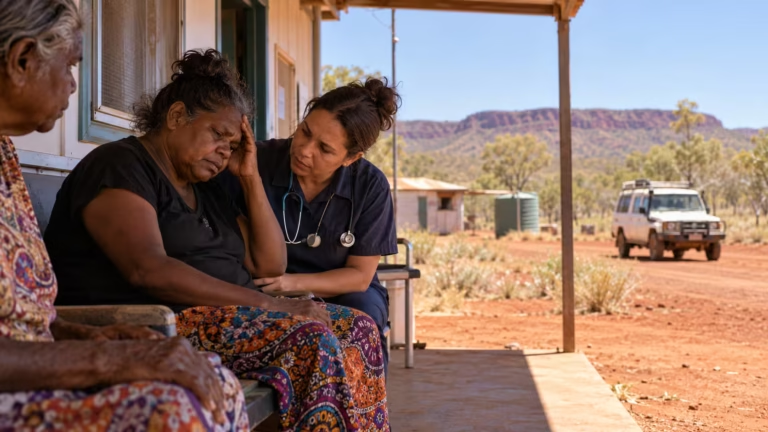
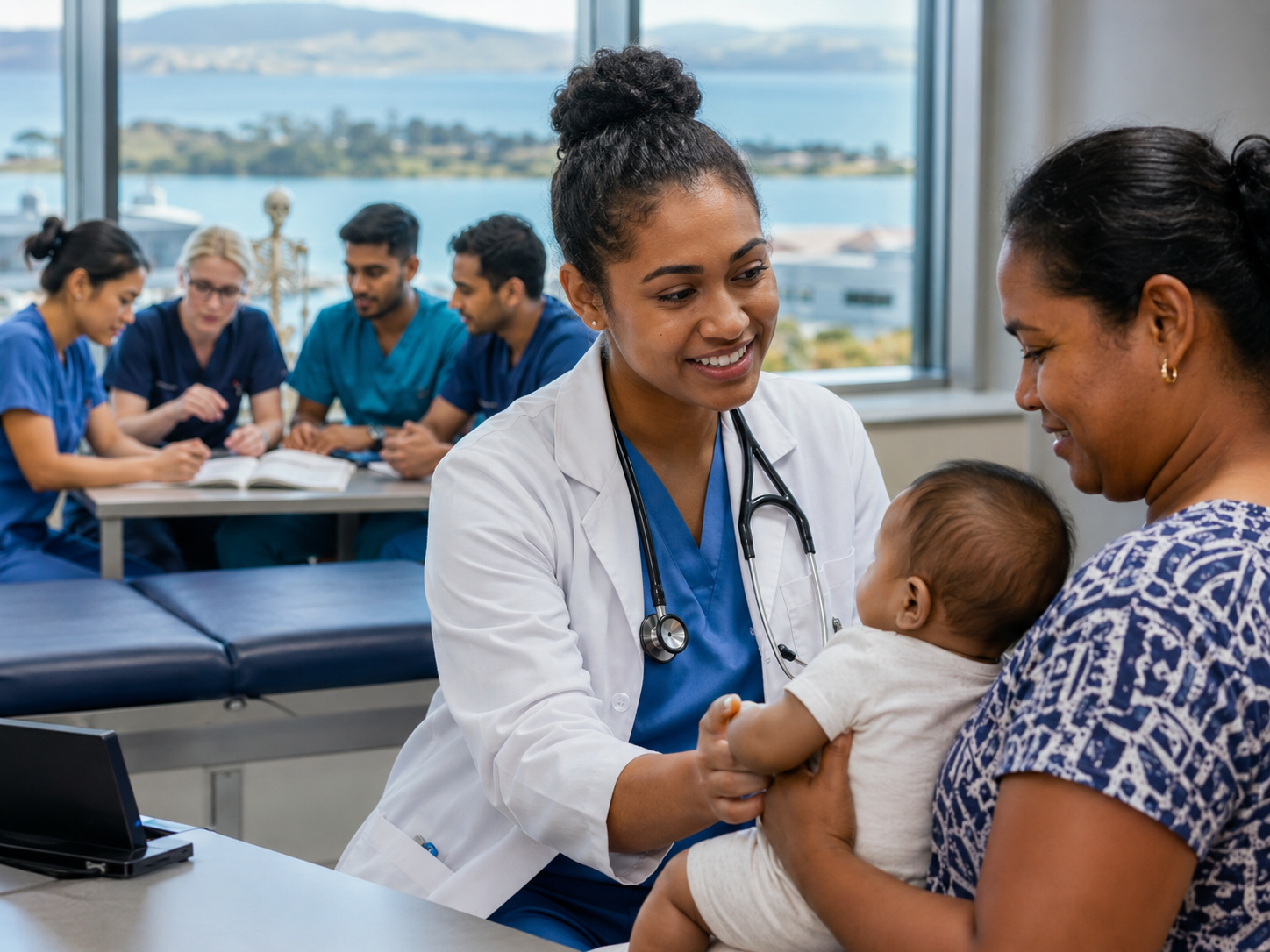
Walk into the newly opened Virtual Hospital at the University of Sydney, and you will not find real patients. Instead, you will encounter high-fidelity manikins that bleed, cry, and even talk back, all controlled by artificial intelligence in a fully immersive 360-degree projection room. This is the new face of medical education in Australia, where simulation-based training has moved from a supplementary tool to a core pillar of the curriculum.
The Rise of Simulation-Based Medical Education
Australian medical schools have long valued bedside teaching, but patient safety concerns, ethical constraints, and the lingering effects of pandemic-related clinical placement shortages have accelerated the shift toward simulated environments. From basic part-task trainers for intravenous cannulation to full-scale simulated operating theatres, students now spend a significant portion of their training in risk-free, controlled settings. The goal is not to replace real patient contact but to ensure that learners arrive at the bedside with refined technical and communication skills.
Real-World Scenario: Melbourne’s Virtual Emergency Department
The University of Melbourne’s Department of Medical Education recently launched a virtual emergency department that replicates the high-pressure environment of a major trauma centre. In this space, interprofessional teams of medical, nursing, and paramedicine students manage simulated patients who deteriorate realistically based on their interventions. Faculty observe from behind one-way glass and manipulate vital signs in real time. A student who fails to recognise early signs of sepsis will see the manikin’s condition worsen, providing immediate, emotionally engaging feedback. This type of deliberate practice builds clinical reasoning faster than traditional shadowing.
Evidence and Accreditation Standards 2026
The national regulator has formalised this transformation. According to the Australian Medical Council’s Accreditation Standards for Medical Programs 2026, all medical schools must demonstrate that simulation constitutes a minimum of 15–20 percent of total clinical hours, with mandatory competency assessments in simulated emergencies before students enter high-risk rotations. The full framework is available at https://www.amc.org.au/accreditation/simulation-standards-2026. Data from a multi-university trial cited in the standards show that students who underwent structured simulation training performed 40 percent better in crisis resource management during their first-year internship compared to those trained exclusively in traditional settings.
The investment is substantial, but the return is already visible. In Queensland, the Bond University simulation program uses wearable technology to track students’ physiological responses—heart rate variability and eye tracking—providing objective metrics on stress management. As artificial intelligence becomes more embedded, personalised debriefing algorithms will soon analyse student performance and suggest targeted remediation. For today’s medical student, making mistakes on plastic and circuits is no longer a backup plan; it is the front line of professional preparation.