Discovery Starts Before the Search Bar
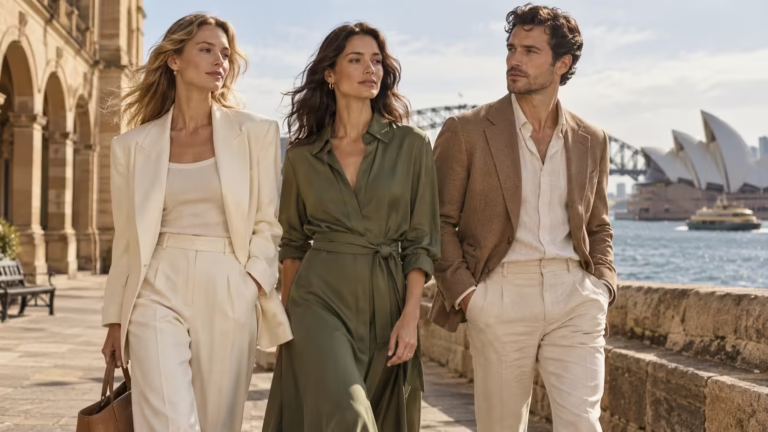
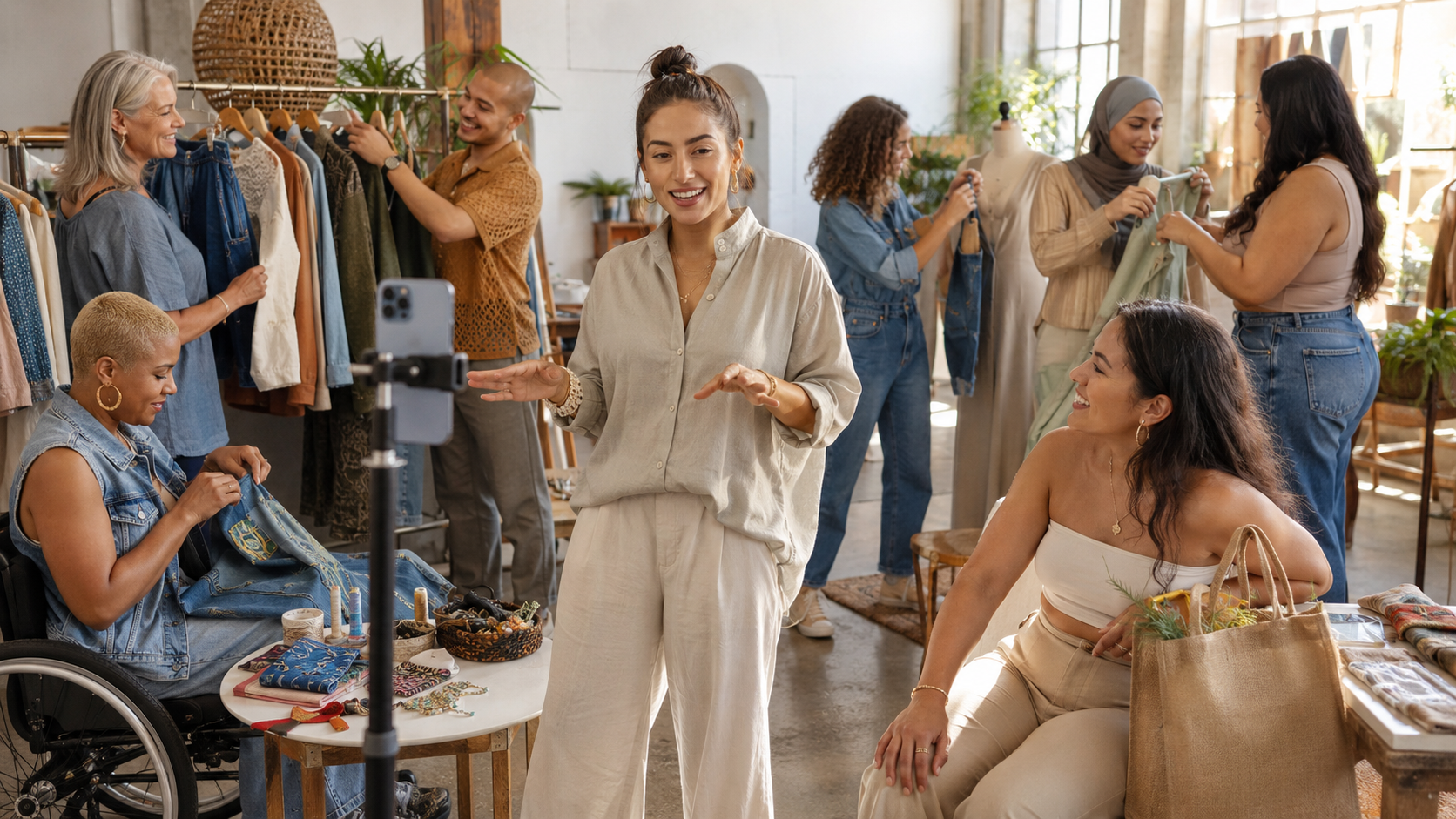
In 2026, many Australian consumers discover fashion brands before they ever search for them on Google. They see a linen set in a creator’s morning routine, a leather sandal in a travel packing video, or a tailored vest in a “workwear capsule” reel. By the time they search the brand name, the influencer has already shaped the first impression.
This changes the role of marketing. Fashion discovery is increasingly visual, social, and personality-led. The creator becomes the storefront.
Why Styling Content Converts
The most effective Australian fashion influencers are not just showing products. They are solving style problems. Videos such as “how to dress for humid weather,” “office outfits that still feel relaxed,” or “what to wear to a coastal wedding” speak directly to Australian lifestyle needs.
This is why styling content often feels more persuasive than product advertising. It gives the viewer a context, not just a garment. A blazer is not simply a blazer; it becomes a solution for hybrid work, dinner plans, and travel packing.
Disclosure and Trust Are Business Issues
Influencer marketing is powerful, but trust remains fragile. The Australian Competition and Consumer Commission provides guidance on online endorsements, making clear that paid relationships and commercial incentives should not mislead consumers.
For brands, this means transparent collaborations are not optional. Clear disclosure helps protect both the creator and the label. More importantly, it protects long-term credibility with audiences who can quickly detect forced promotion.
Micro-Communities Beat Mass Reach
One of the biggest shifts in 2026 is the rise of niche influence. A creator focused on petite styling, curve fashion, modest dressing, luxury resale, maternity workwear, or Australian resortwear may deliver stronger commercial results than a general lifestyle account.
This benefits local brands because it allows sharper targeting. Instead of trying to reach everyone, brands can reach the customer most likely to buy, wear, and recommend the product.
The Real Case: From Viral Item to Stock Pressure
Australian labels increasingly experience sudden demand when a creator’s post performs well. A dress, bag, or pair of sandals can move from quiet inventory to waitlist status after one high-performing video. This can be positive, but it also exposes weaknesses in sizing availability, shipping speed, and customer service.
Influencer visibility must therefore be supported by operational readiness. If a brand cannot deliver after a viral moment, the same audience that created demand can quickly amplify disappointment.
What Brands Need in 2026
Fashion brands need creator partnerships that feel editorial, useful, and repeatable. One sponsored post is rarely enough. Stronger results come from ongoing relationships where the influencer genuinely wears the brand across different moments.